- Pīrāgi
- Rasols
- Bread
- Cakes
- Mushrooms
- Cheese
- Fish
- Soups
- Piparkūkas
- Desserts
- Meat
- Cabbage
- Cucumbers
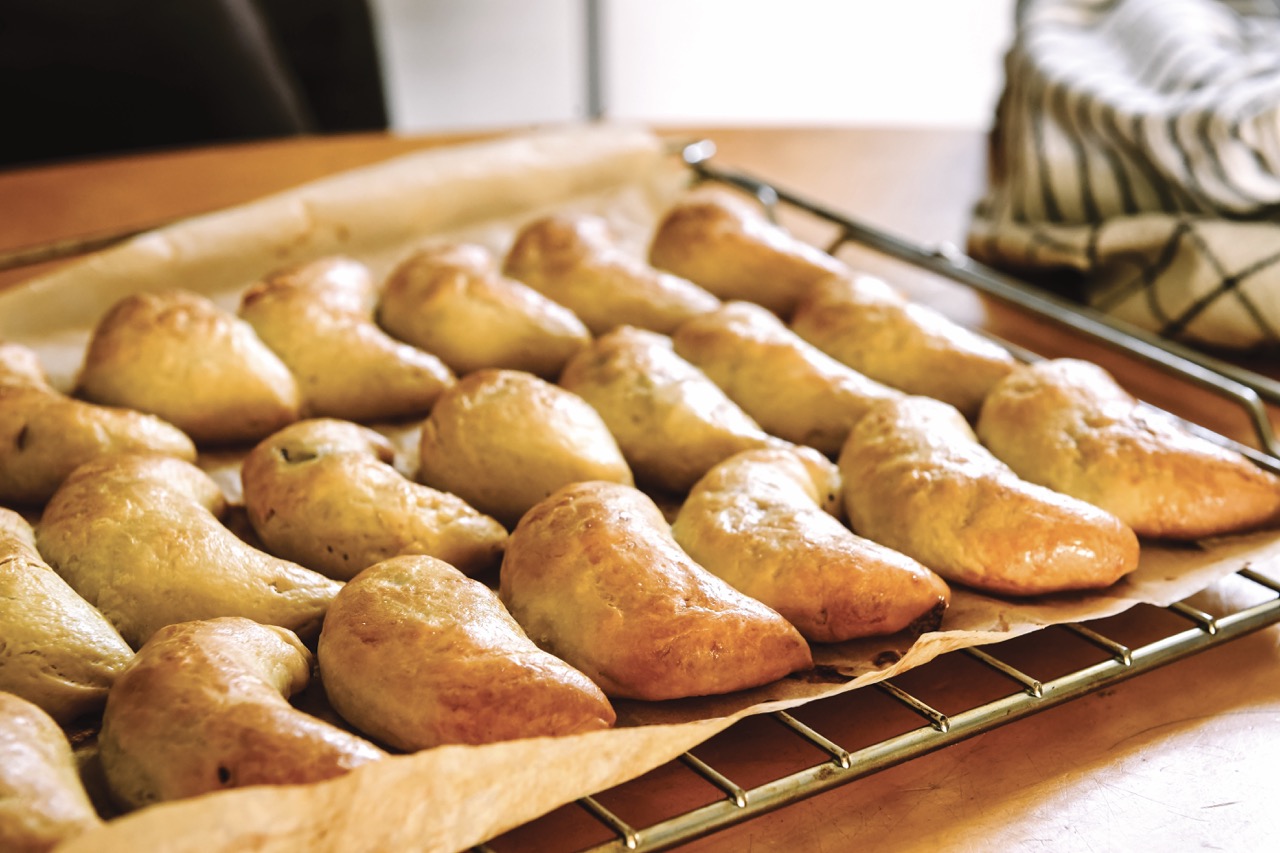
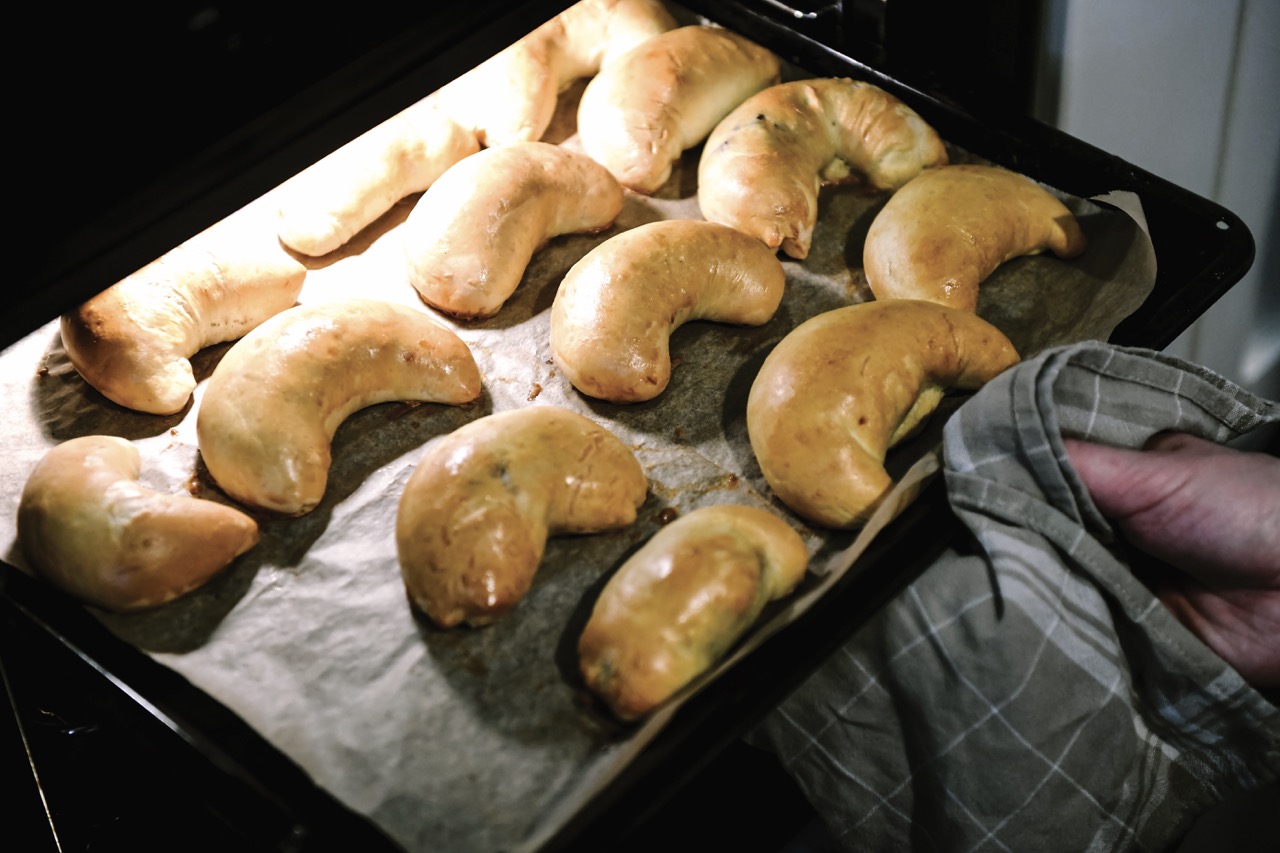
Aivars, who was born and raised in the UK but now lives in Latvia, bakes his pīrāgi using his mother Milda Sinka’s recipe.
Hetel Leepkaln dos Santos owns the café "Casa Leta" (Latvian House) in Urubici, Brazil.– with the goal of preserving the memory of Latvian culture through cuisine.
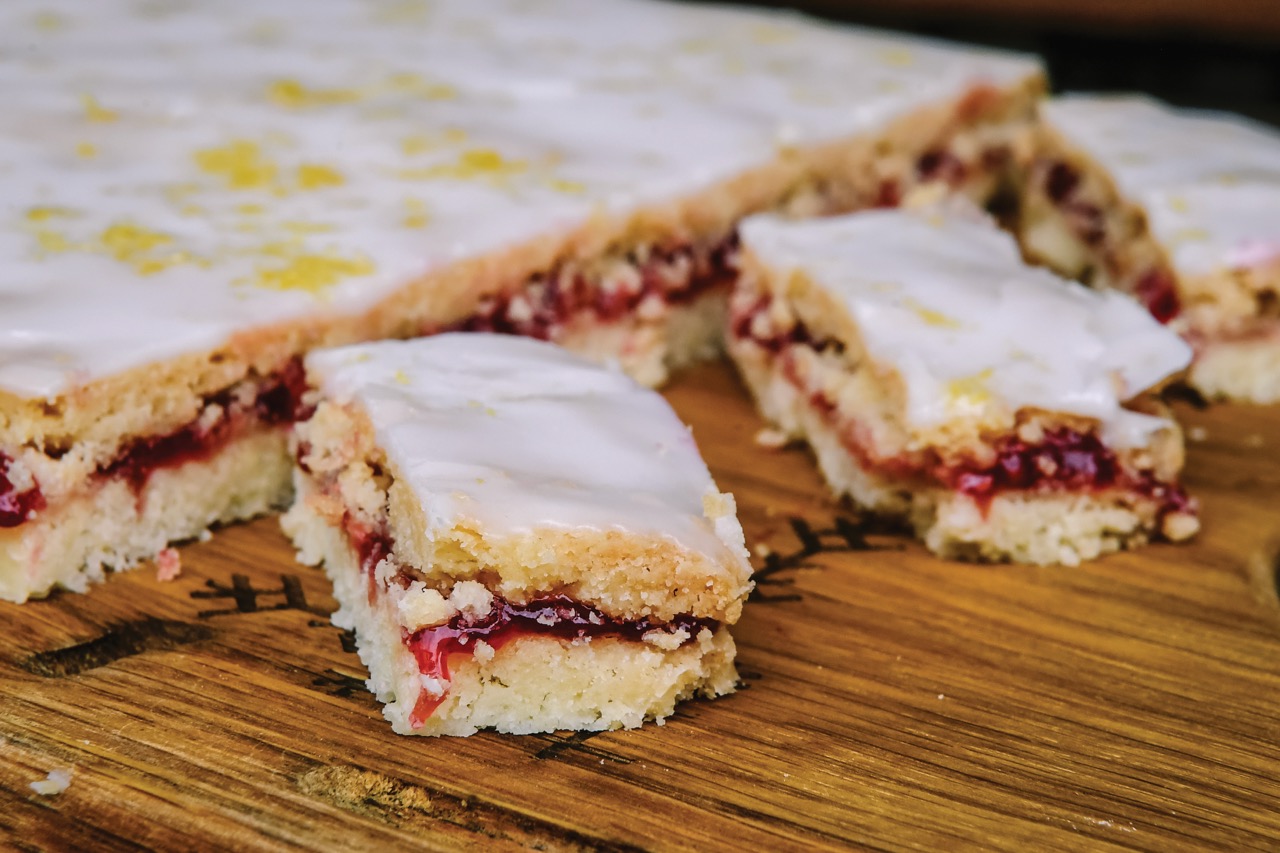
Ingrīda's mother-in-law used to bake Alexander Cake for special celebrations. It is a favourite treat both at Ingrīda’s home and in the local Latvian community.
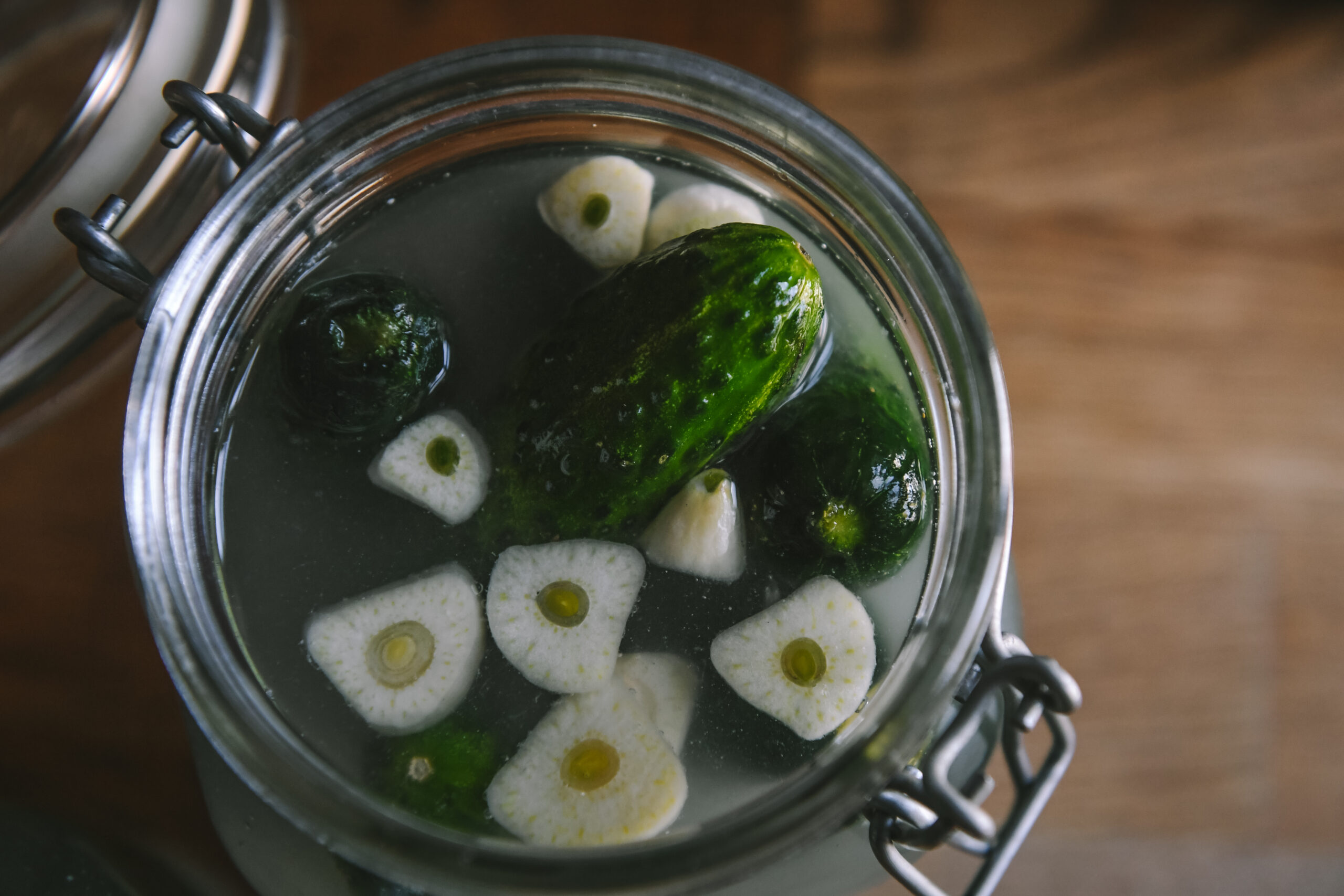
Silversmith Andris Rūtiņš is very fond of fermented cucumbers. He prepares them in a very simple way – cucumbers, water, salt, a lot of garlic, and no dill.
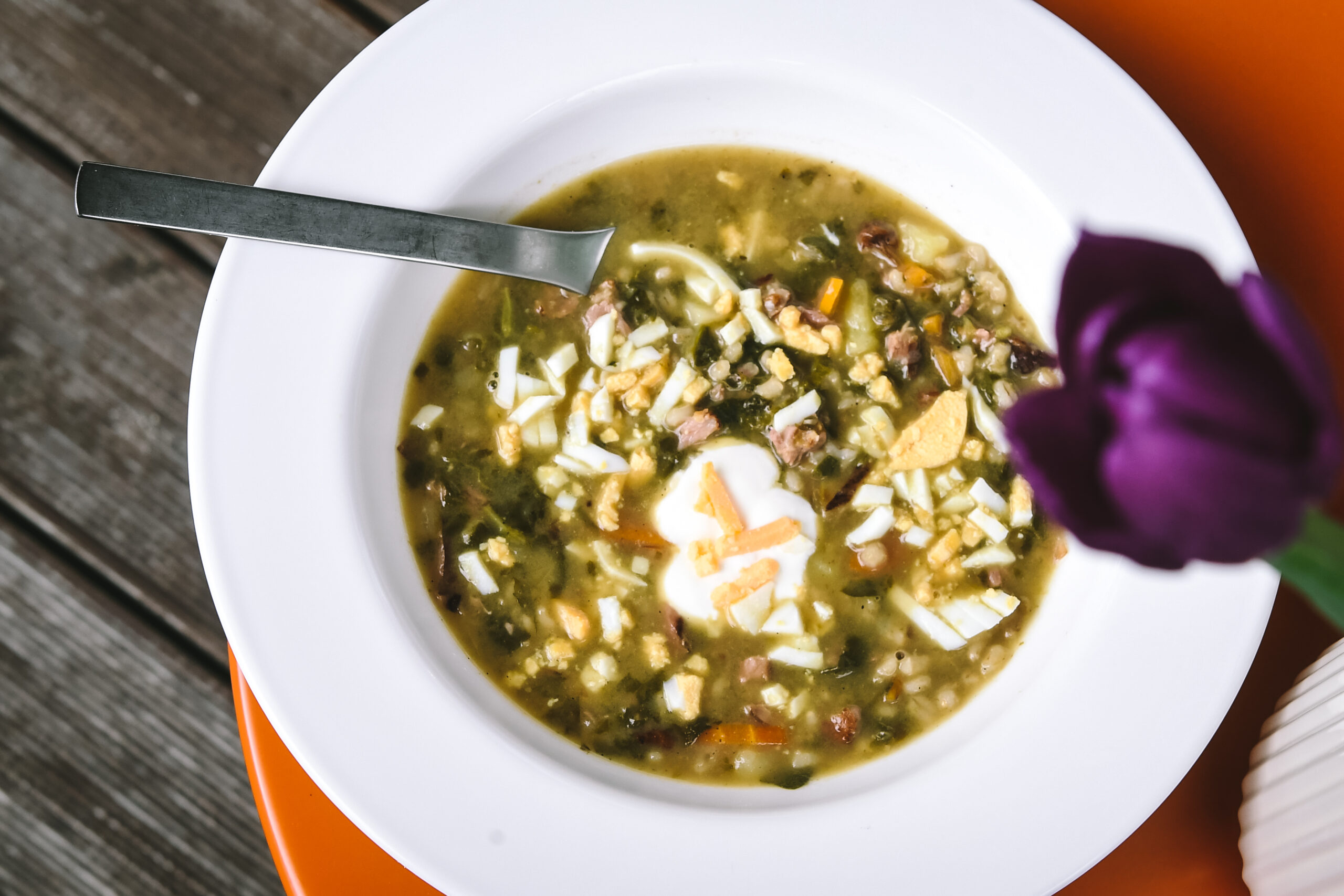
Elizabete is a jewellery maker and founder of the "Zupa Zupa” soup delivery service. She prepares a variety of soups, including many Latvian favourites – meatball, beet, sauerkraut, and others.
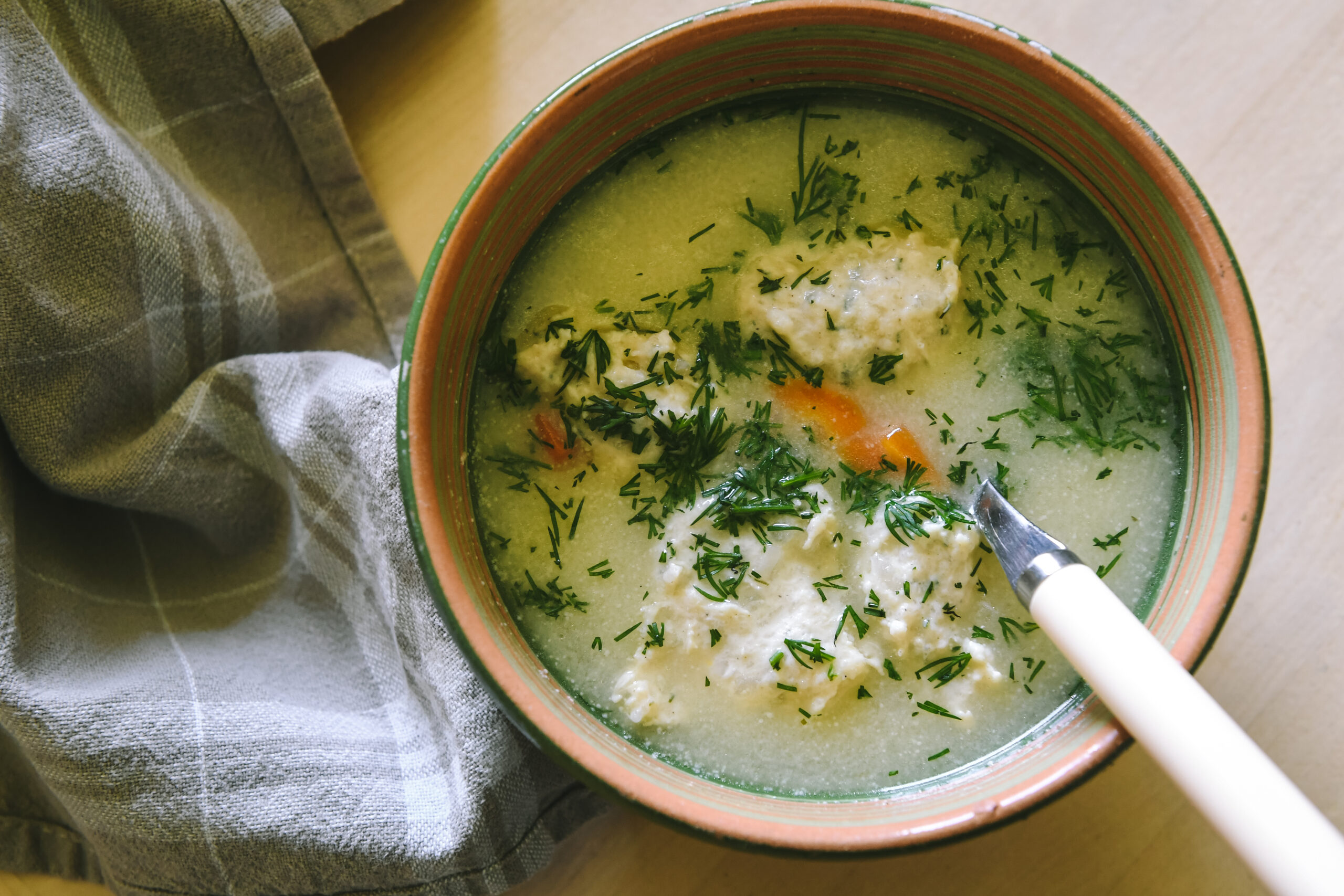
Inese Grava-Gubiņa created the recipe for this meatball soup in 2016 when she began teaching Latvian cuisine classes to teenagers at the Gaŗezers Summer High School in the USA.
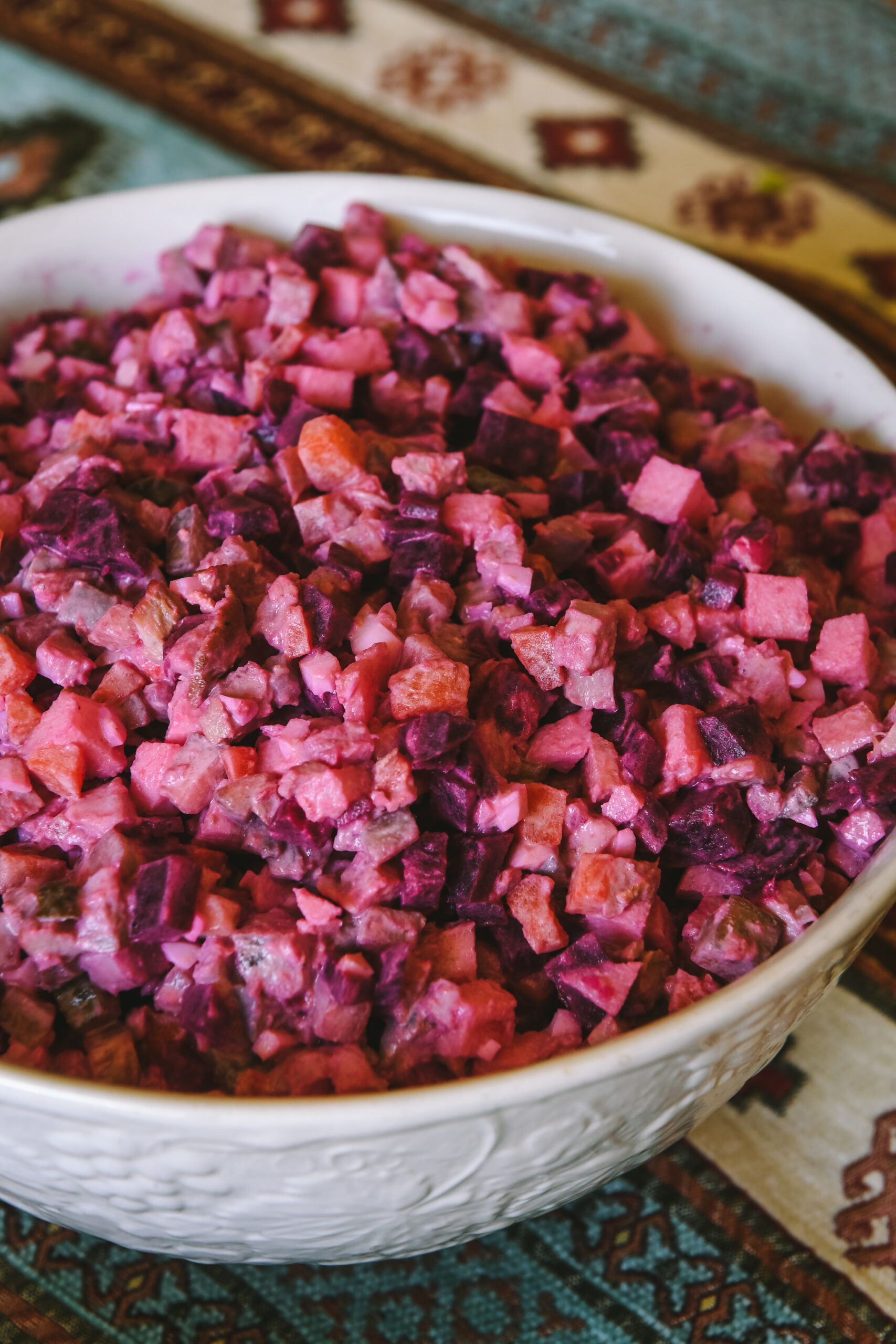
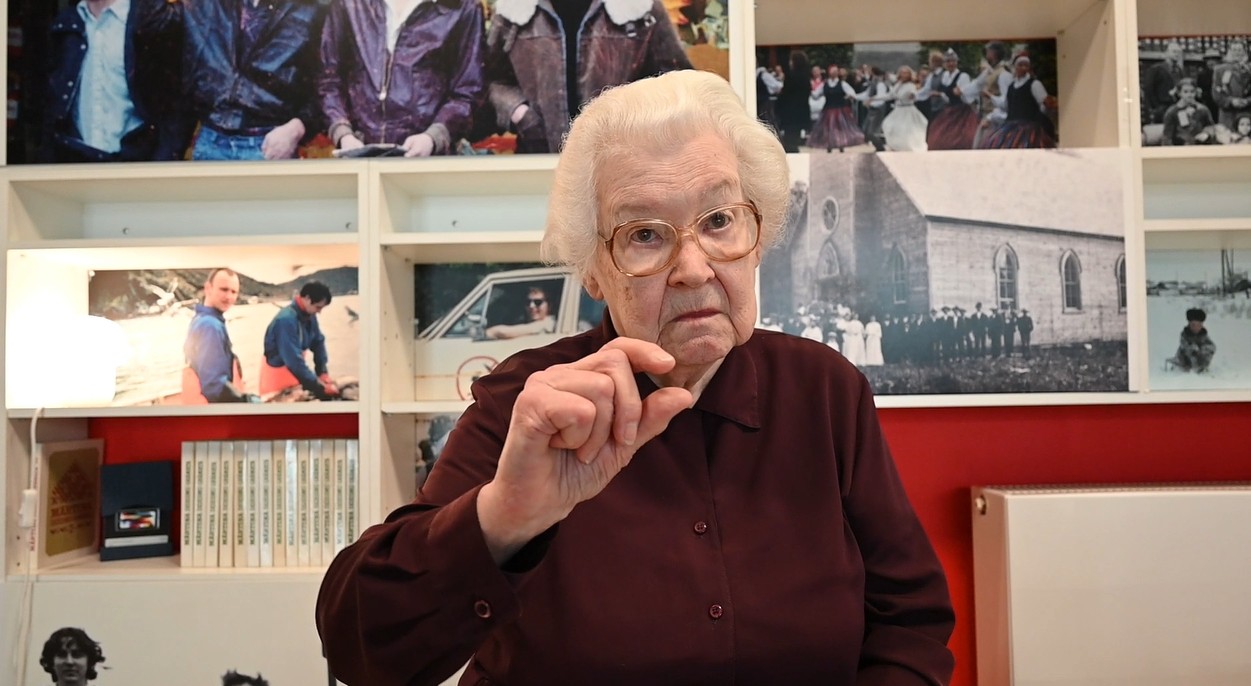
Inta Gertnere makes rasols following a recipe she inherited from her grandmother, Milda Veidis, who went by the nickname Kundziņš.
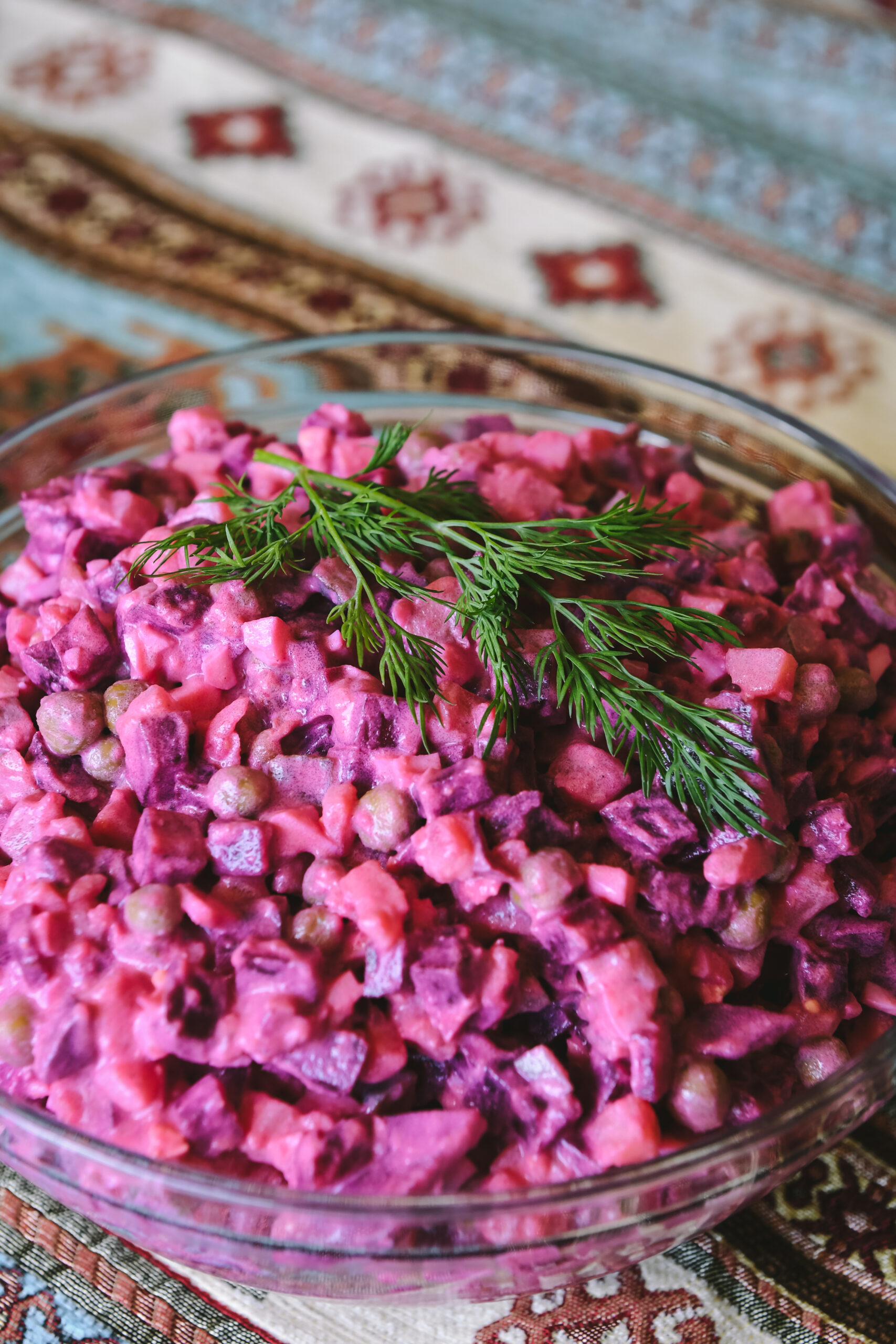
Dārija Gulēna from Toronto, Canada, was taught to make rosols by her grandfather. In her family, it is usually prepared for holidays like Easter and Christmas.
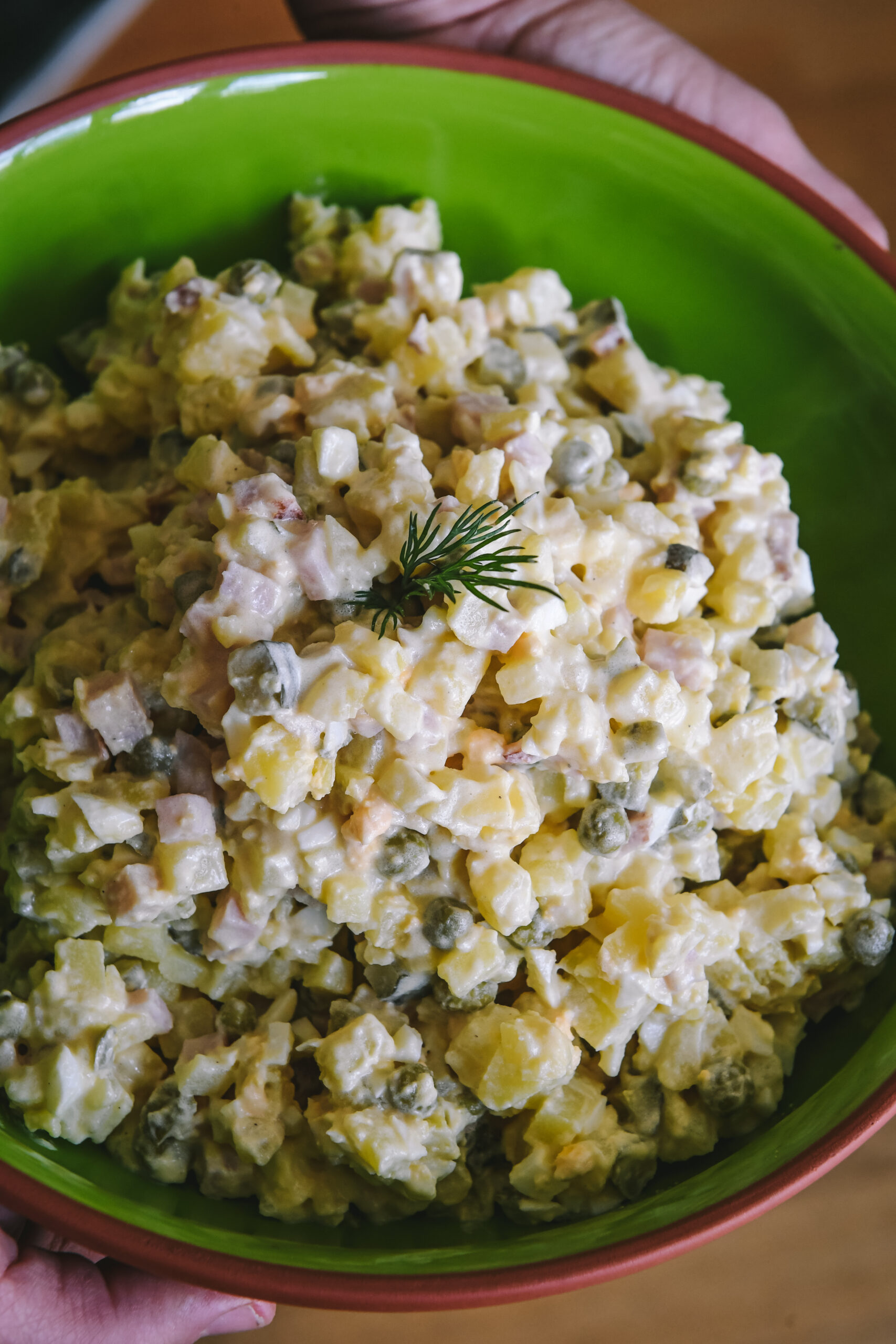
Dustin makes rasols to delight his Latvian wife Signe, who loves this salad. In their family, rasols is prepared and eaten on special festive occasions.
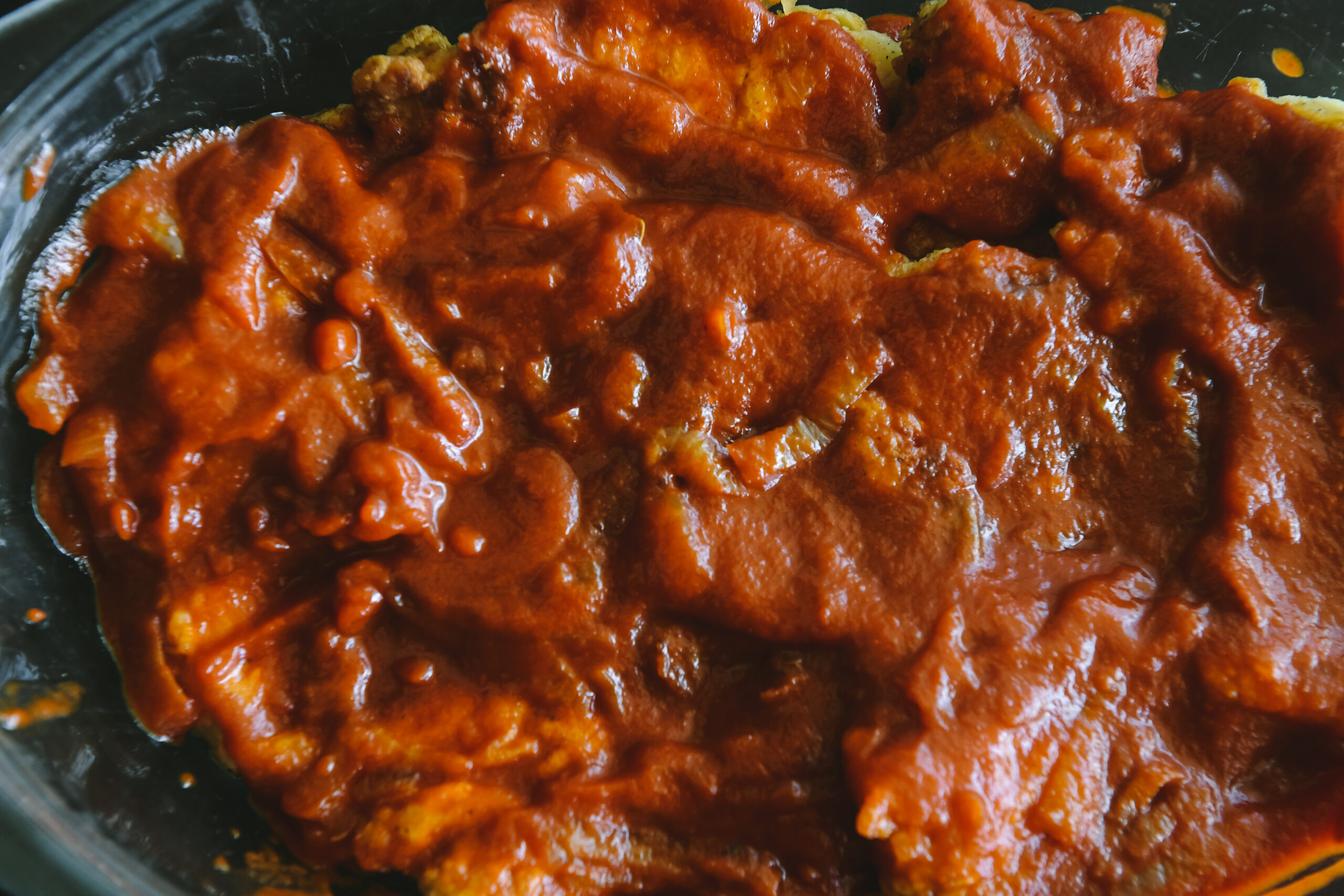
Inga Rozīte Escalera's parents were born in Latvia. Fish in tomato sauce is a holiday dish that was usually prepared for Easter.
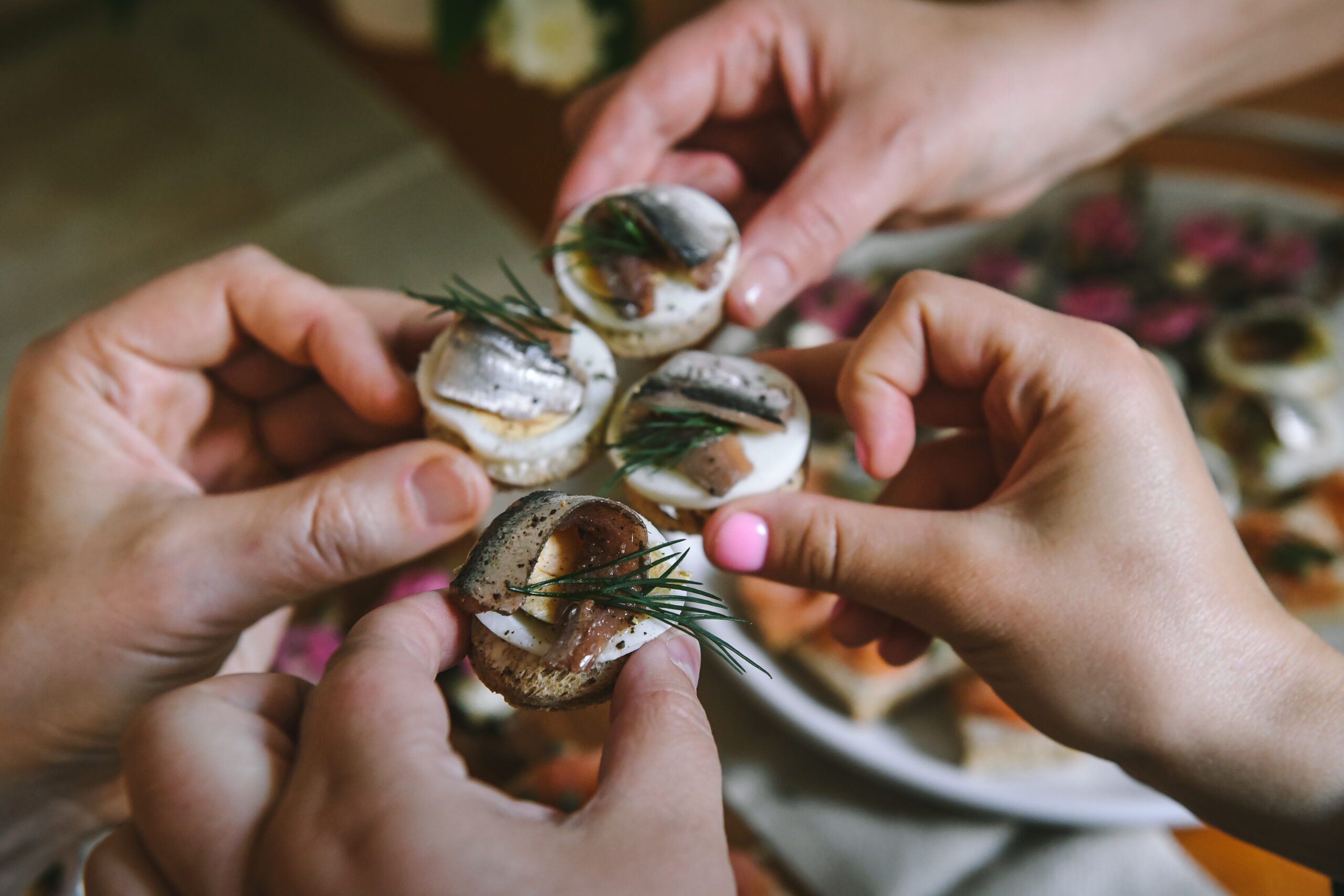
Latvians abroad often arrive at parties or community gatherings carrying a platter of freshly made canapés. Among these "Latvian-style" appetizers are also fish canapés.
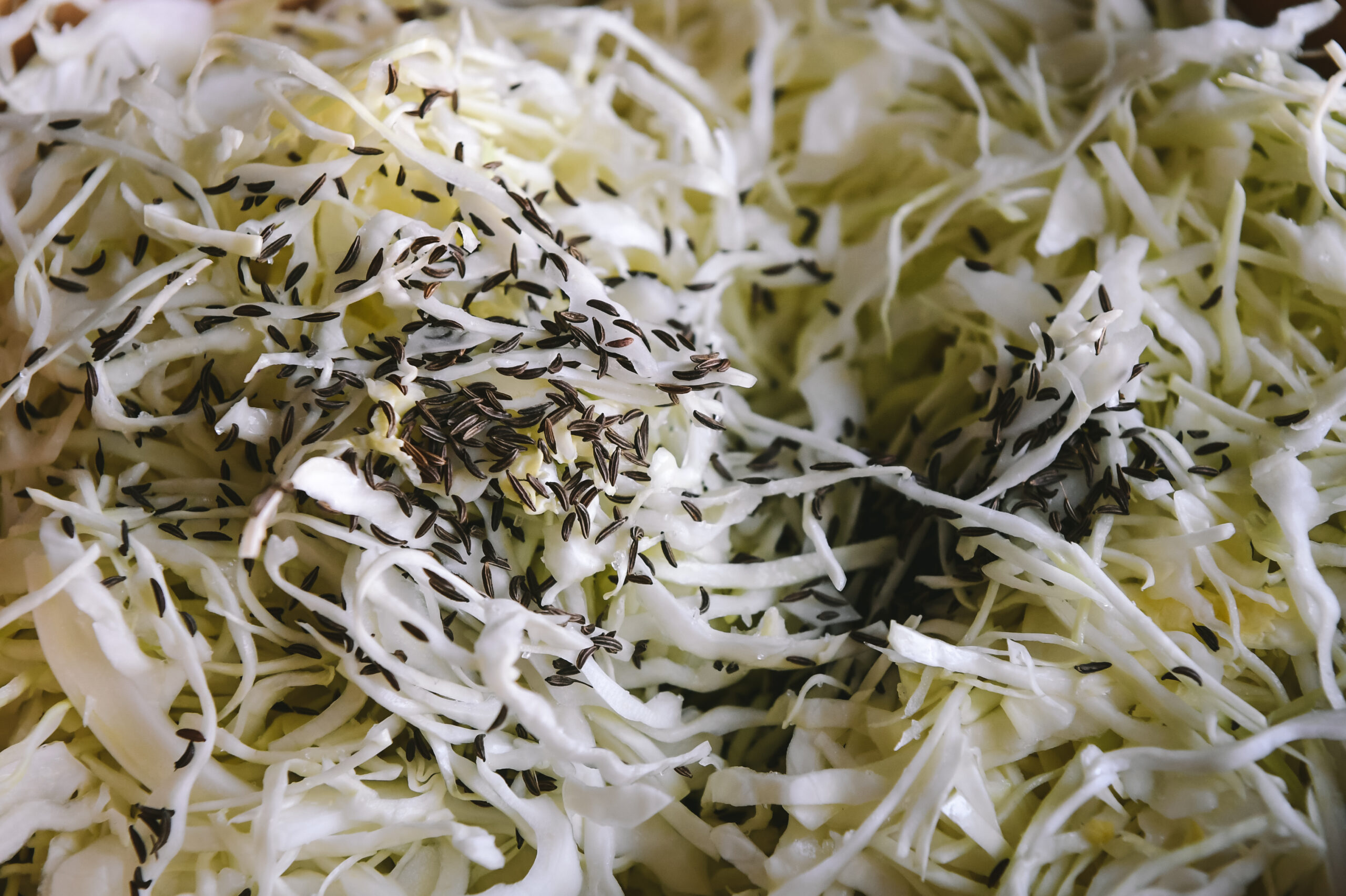
The Zichmanis family eat sauerkraut for lunch and dinner, both fresh and braised, served with potatoes and meat. Every autumn they organise sauerkraut-making working bees (talkas), involving a wide circle of relatives and friends.
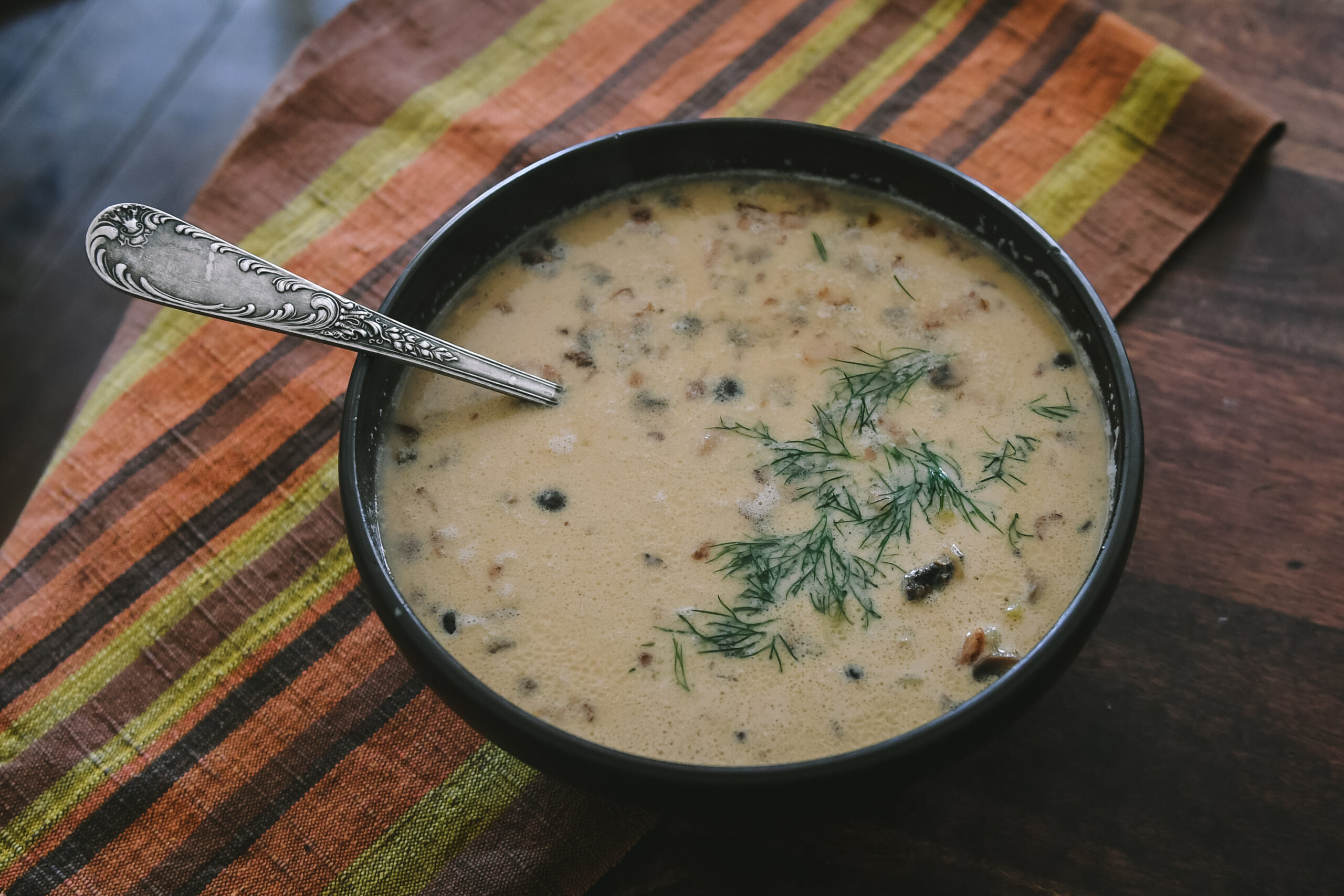
Even though Līva’s Australian friends generally recoil at soups, there is one soup they absolutely love - that's the mushroom soup Līva makes!
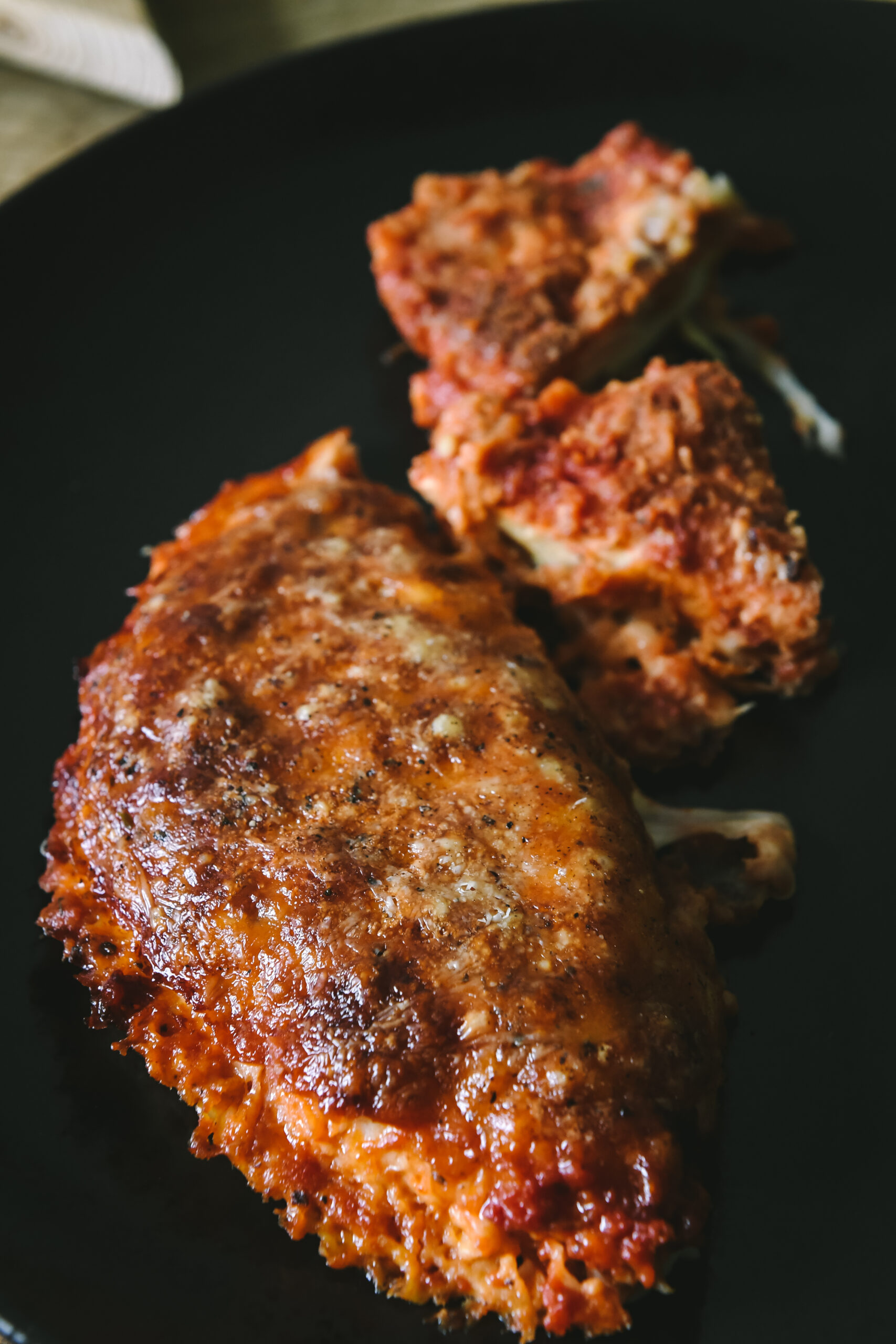
Larisa Mednis in Philadelphia, USA enjoys both foraging for mushrooms and cooking them. She believes that mushrooms can be used creatively as a tasty and satisfying meat substitute.
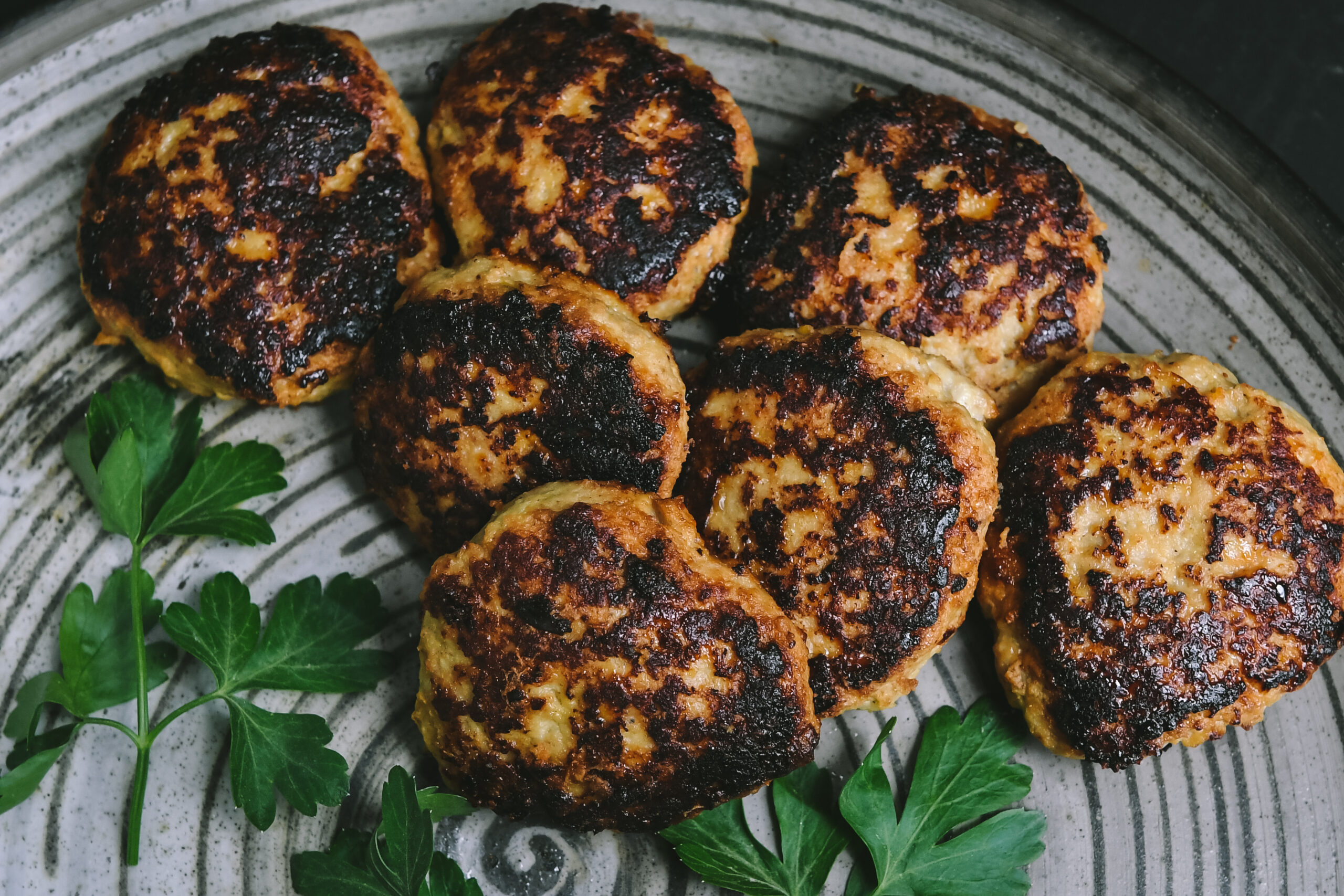
Sandra Vlasova in Norway ioften cooks Latvian dishes for events held by the Bergen Latvian community. She learned to cook rissoles from her grandmother's sister, Antonija.
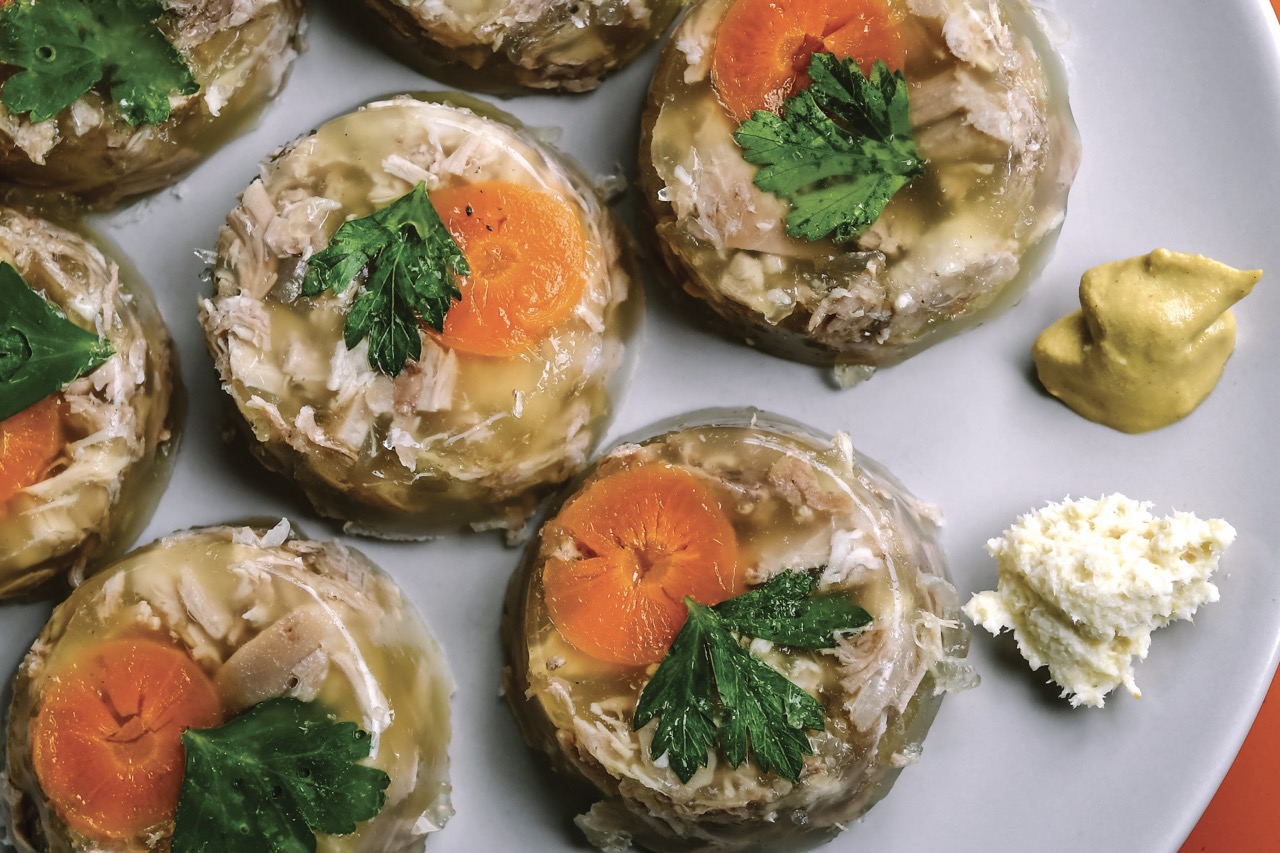
Ingrīda Hawke is an experienced cook in the Latvian community in Melbourne, Australia. She makes pork aspic according to an inherited recipe.
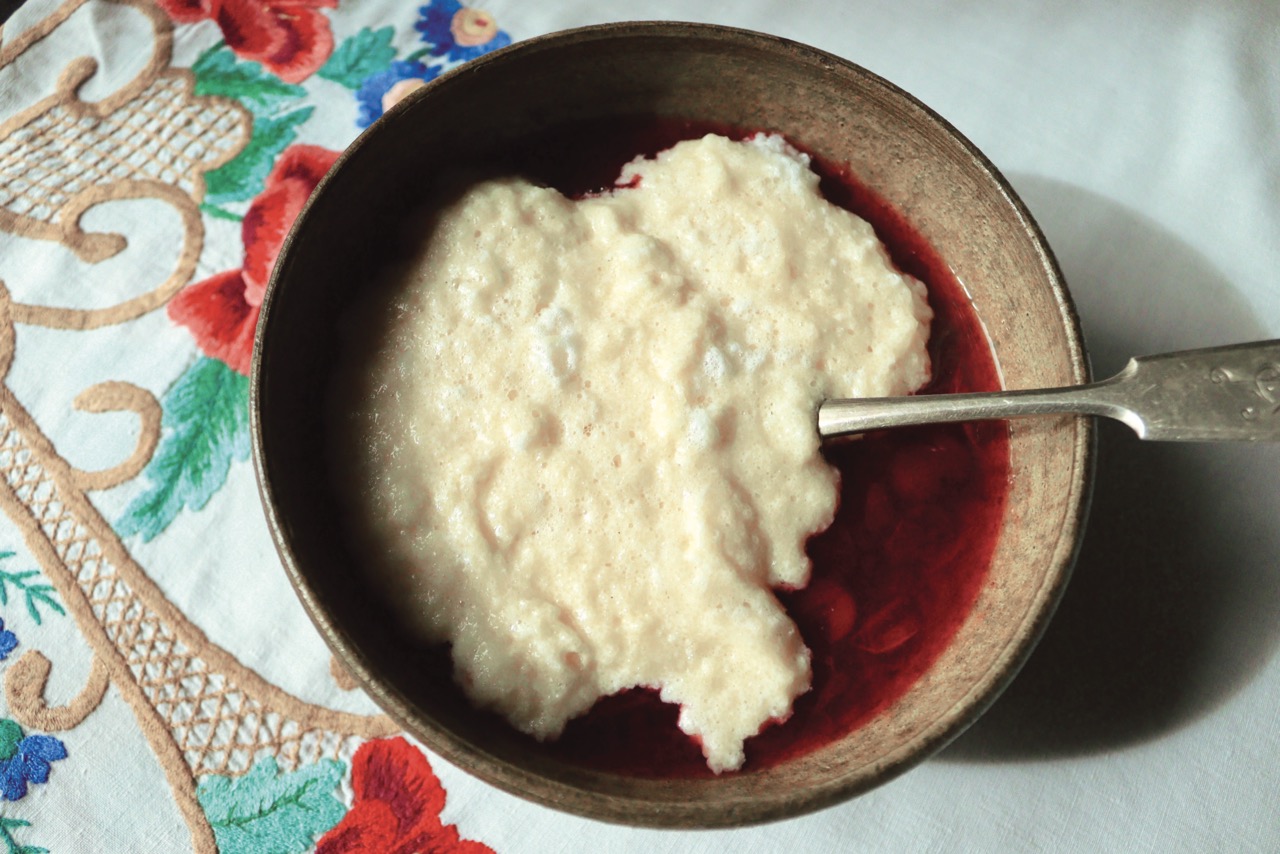
Signe has travelled extensively throughout the world, and often cooks meals from various world cuisines. She prepares kissel with buberts when she misses the taste of home.
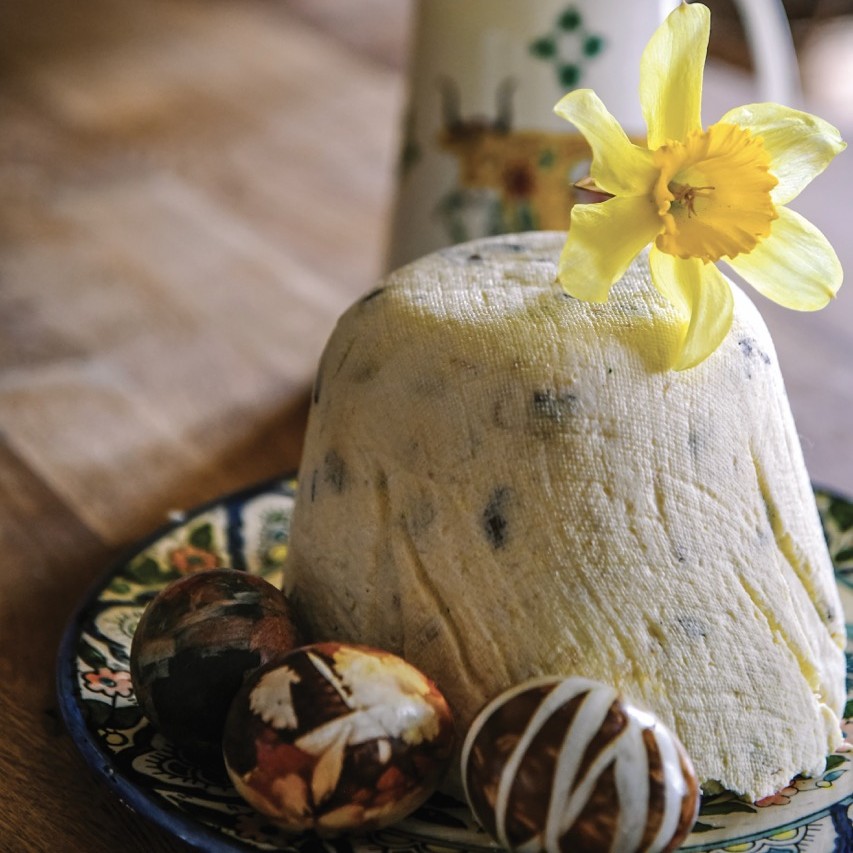
Natas' lancestors came from the Lauri Latvian colony in the Pskov Governorate in Russia. At Easter, Nata’s grandmother would make pashka.
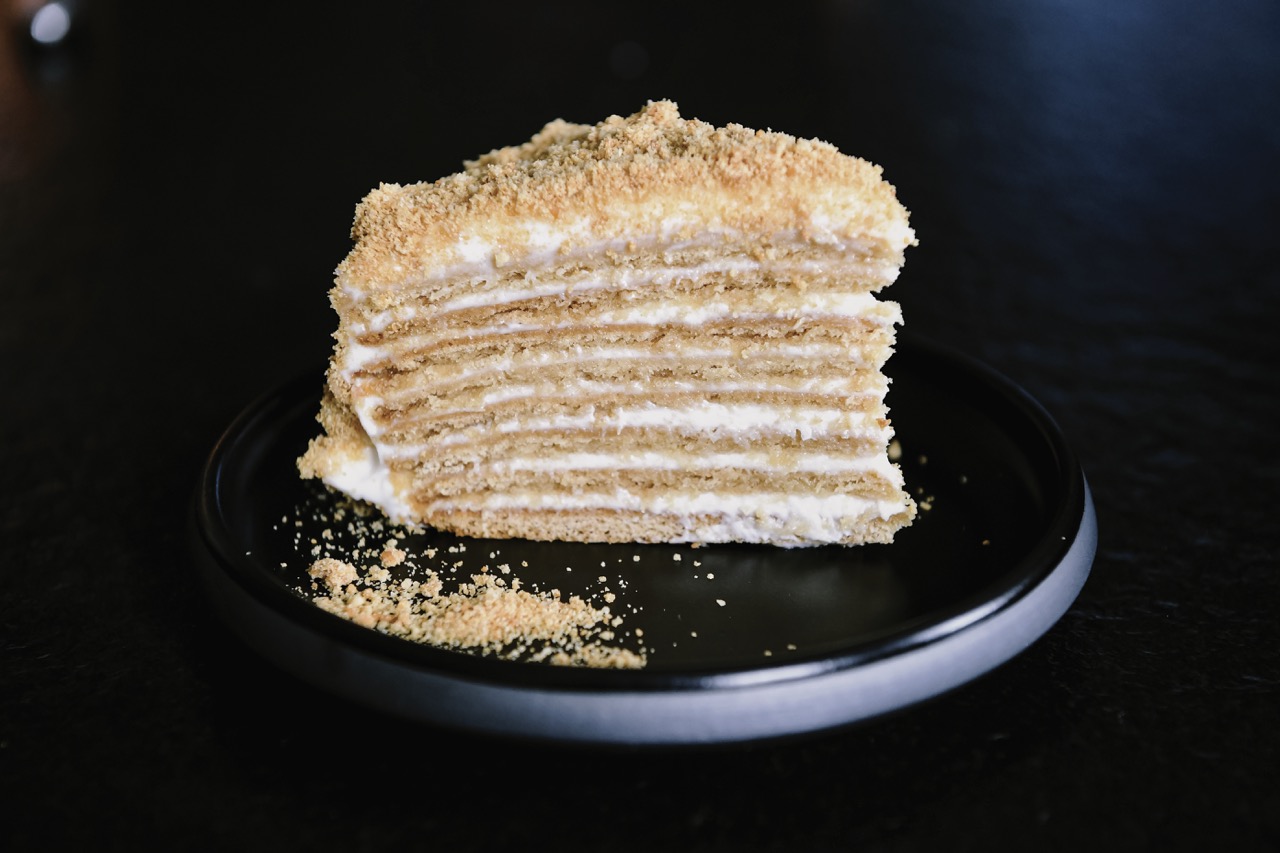
Baiba baked honey cake herself for the first time in northern Italy, where she lives. Her honey cake has nine thin layers.
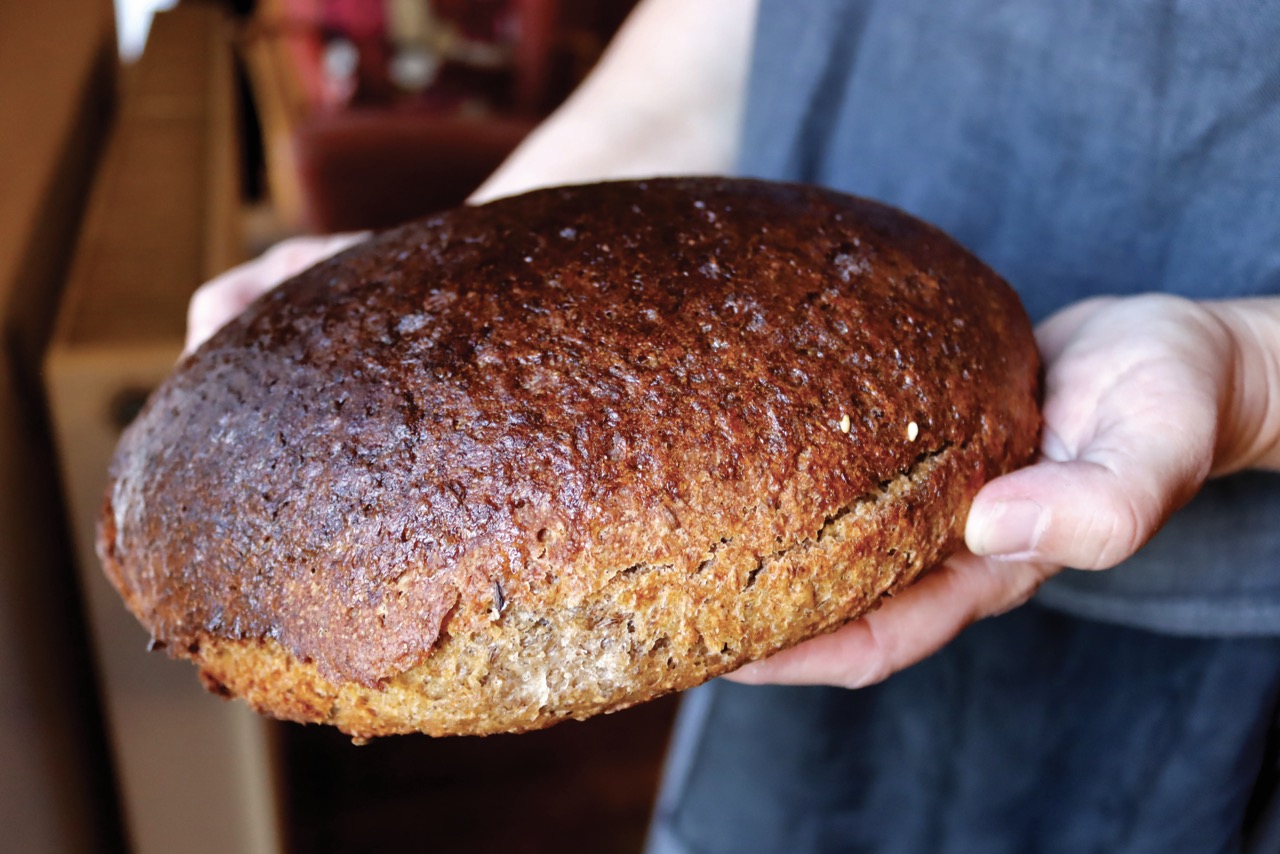
Modris bakes bread following the recipe of his mother, Ilze. At the age of 17, he decided that he wanted to learn how to bake bread himself.
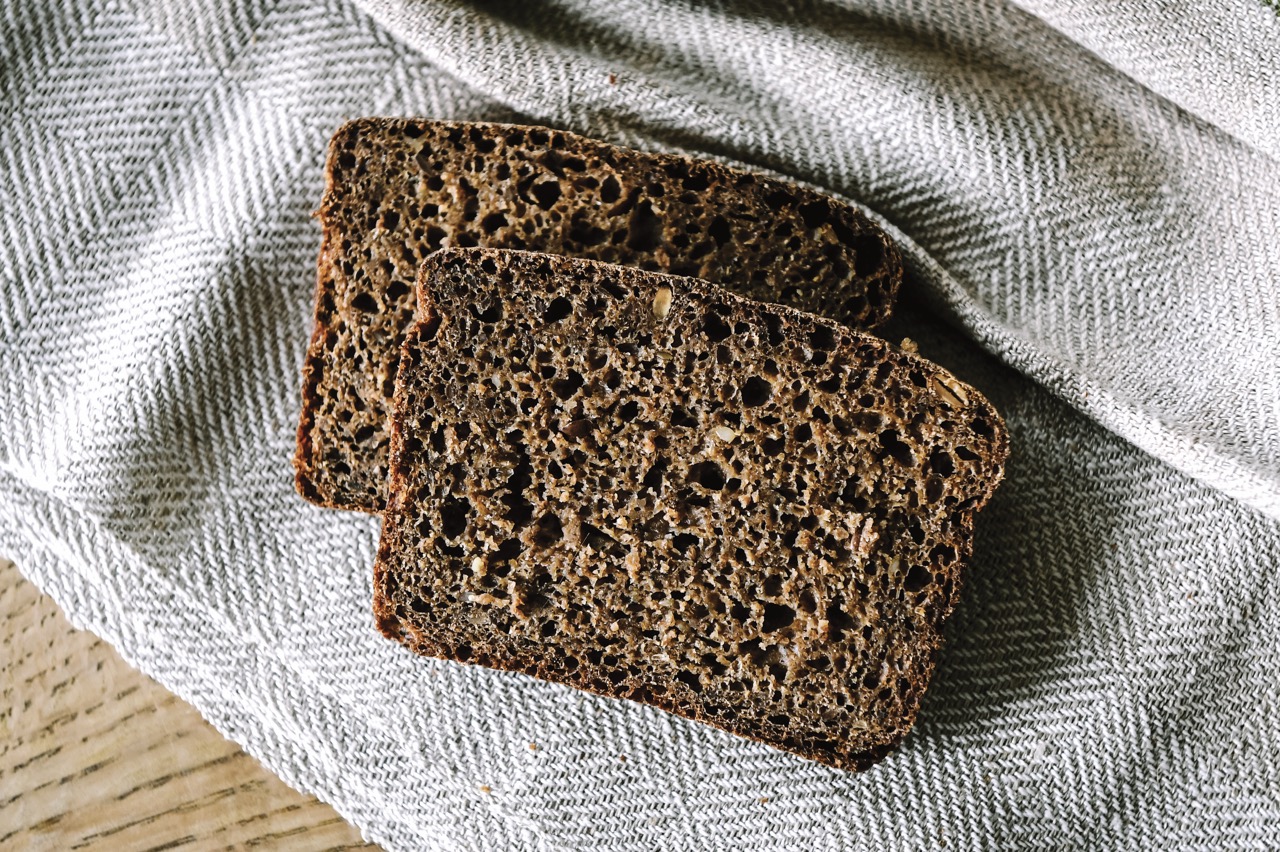
Diāna started baking bread in Norway because she sees the selection of bread there as pretty poor. Now she bakes bread about once a week.
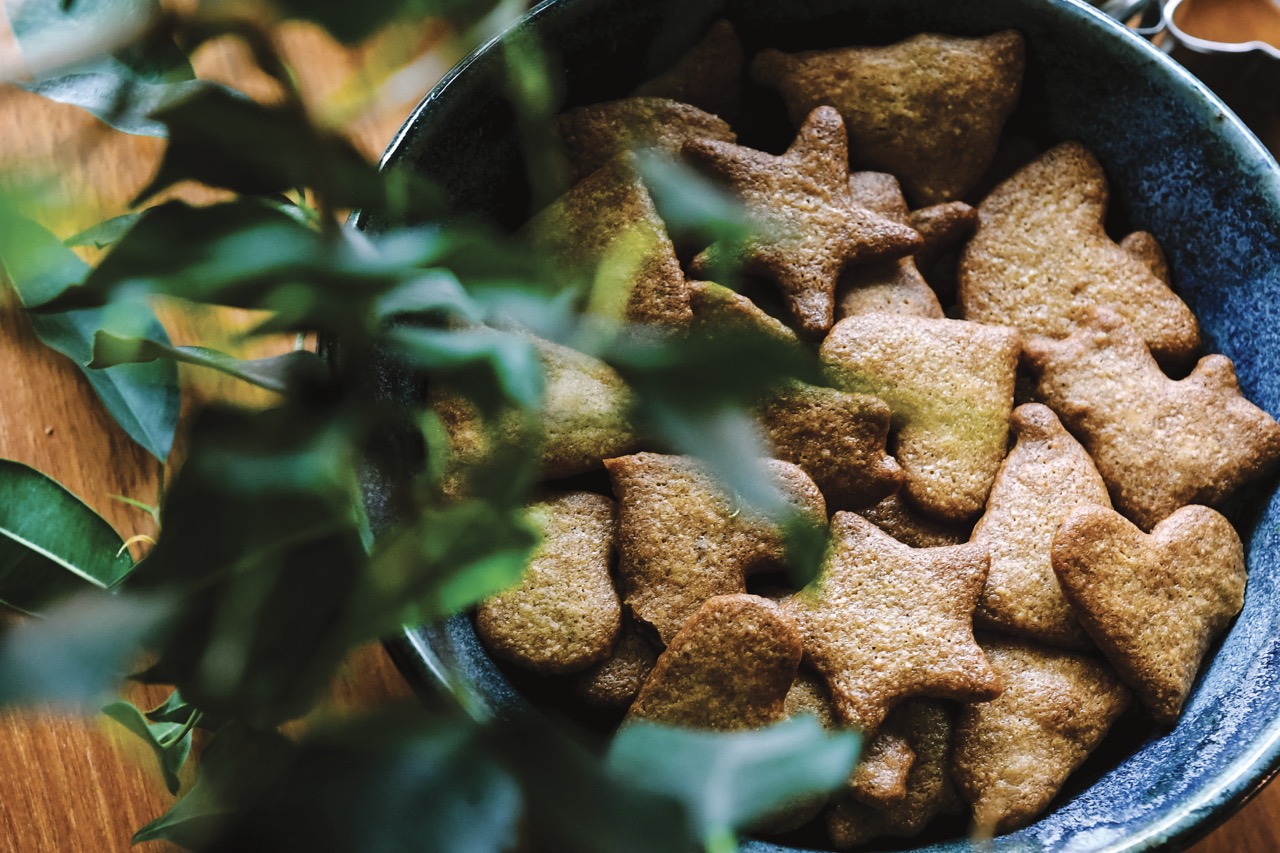
The Kalamazoo Ladies’ Auxiliary has used the same piparkūkas recipe since charity baking bees were initiated in 1962.
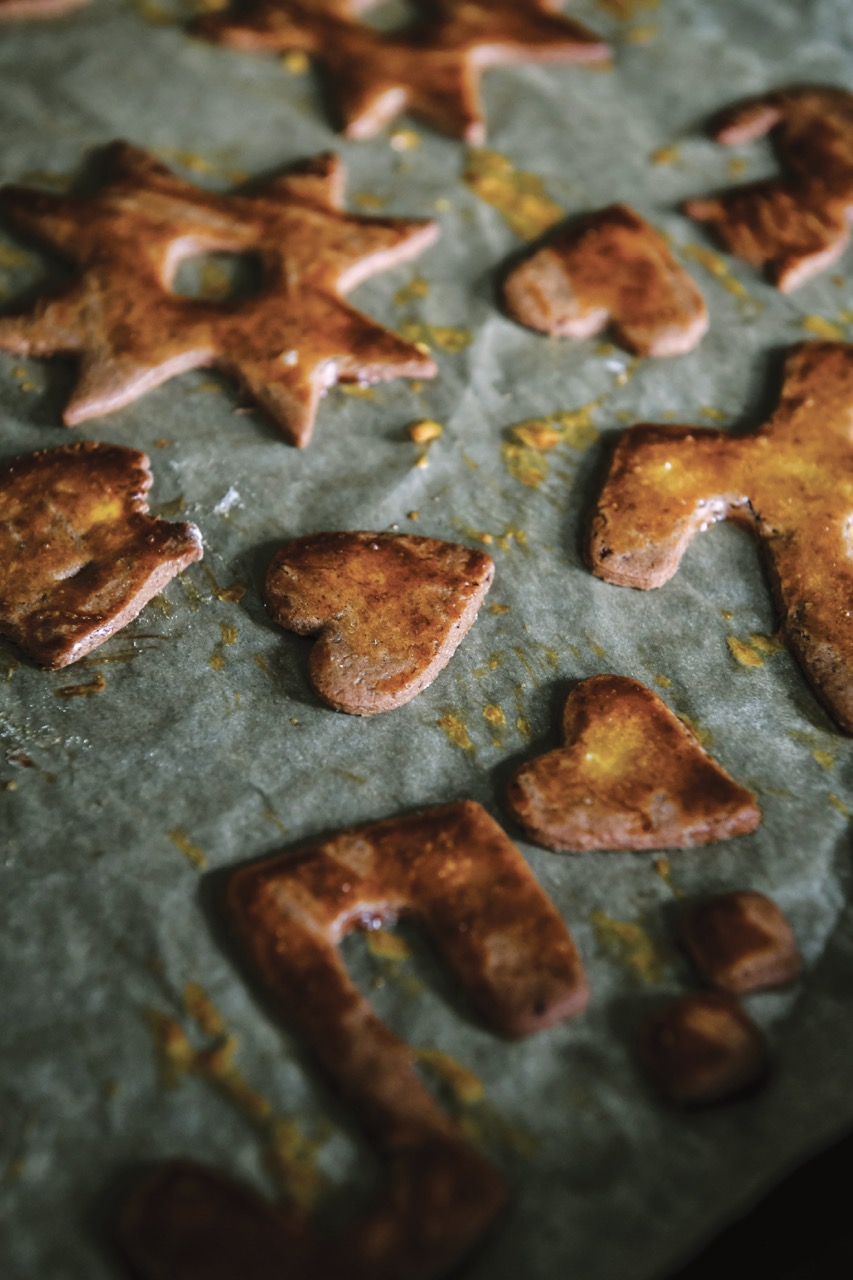
When Ilze lived in Latvia, piparkūkas were always baked at home during Christmas from scratch using her mother's recipe. Now, a Piparkūkas weekend camp takes place annually at the Latvian Saturday school in Italy, under Ilze's guidance.
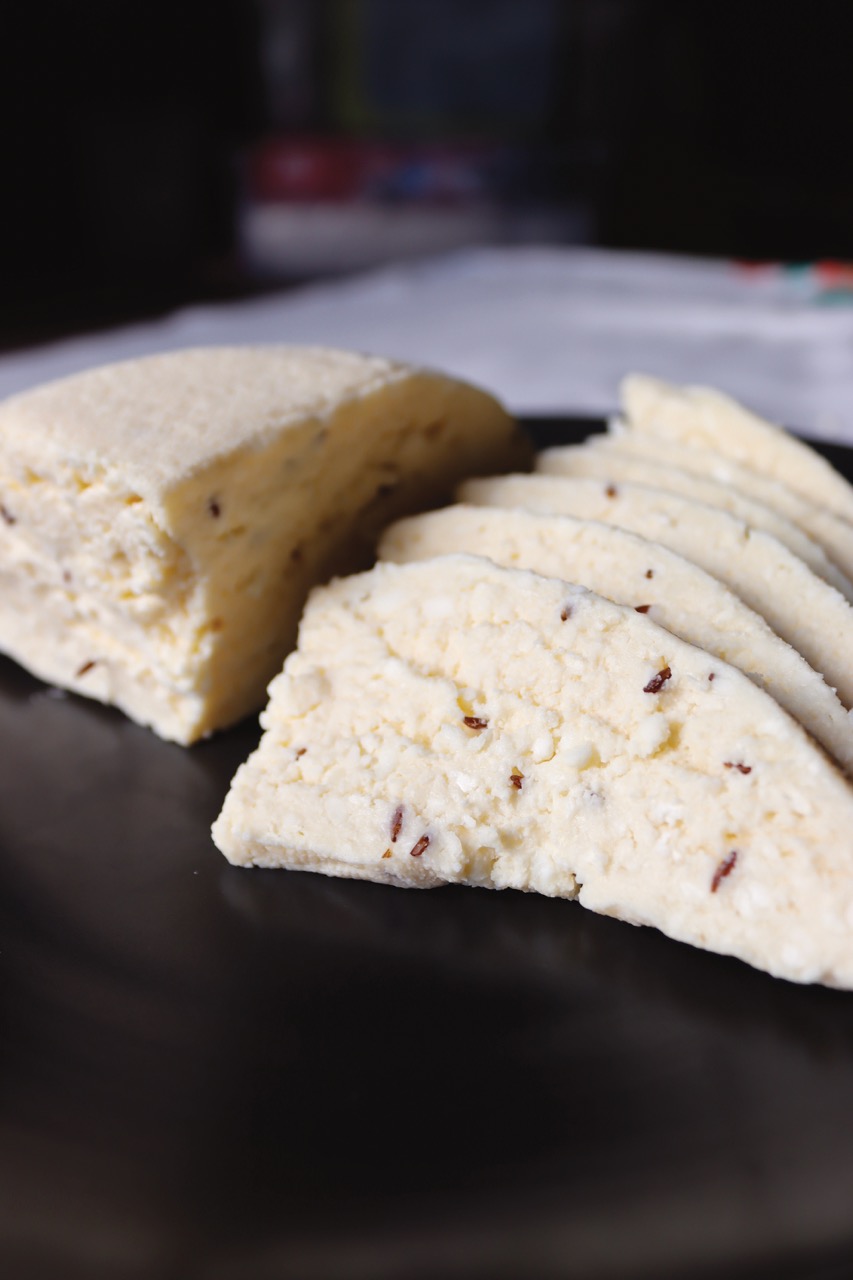
Andris Daugavietis’s grandmother Gaida Āpše always made Jāņu cheese for the Midsummer celebrations held at the Latvian property of Sidrabene.
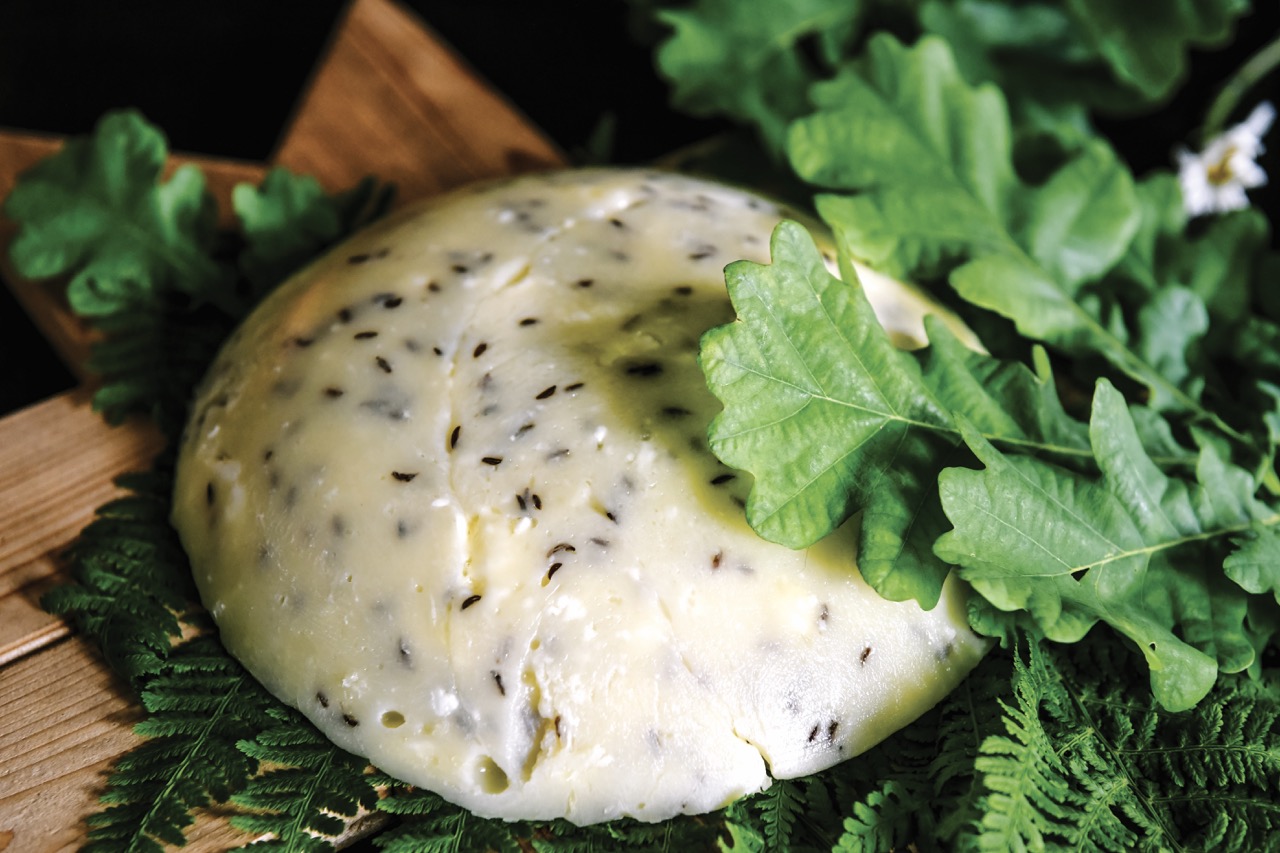
Several Latvian families live on the Gold Coast in Australia. From time to time, they make traditional Latvian Jāņu cheese using a “new, quick” recipe.
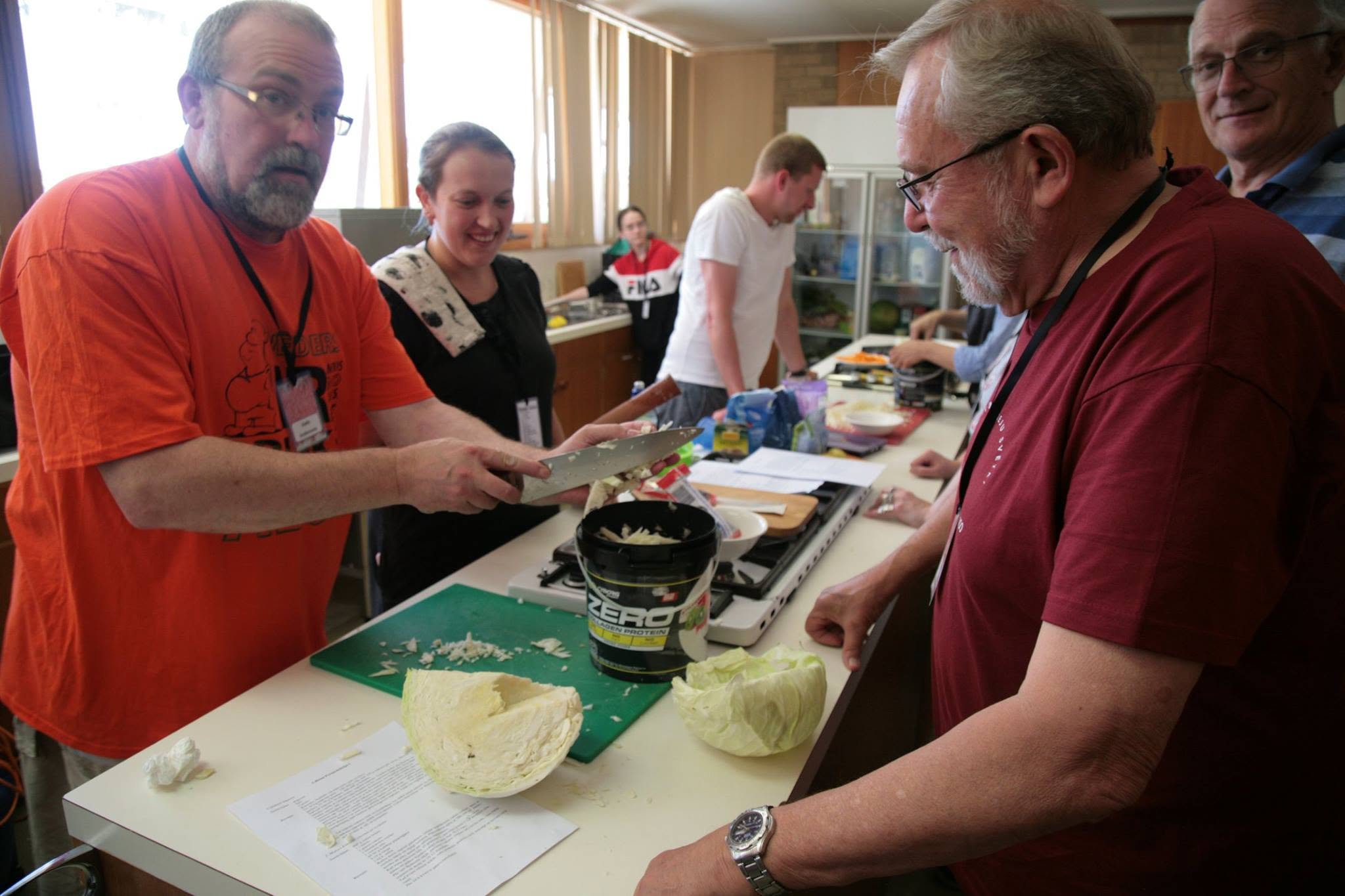
This sauerkraut recipe belongs to Zanda Šulca and was used during the cooking workshops she led at the 3×3 gathering in Victor Harbor, Australia. The gathering took place from 31 December 2018 to 6 January 2019.
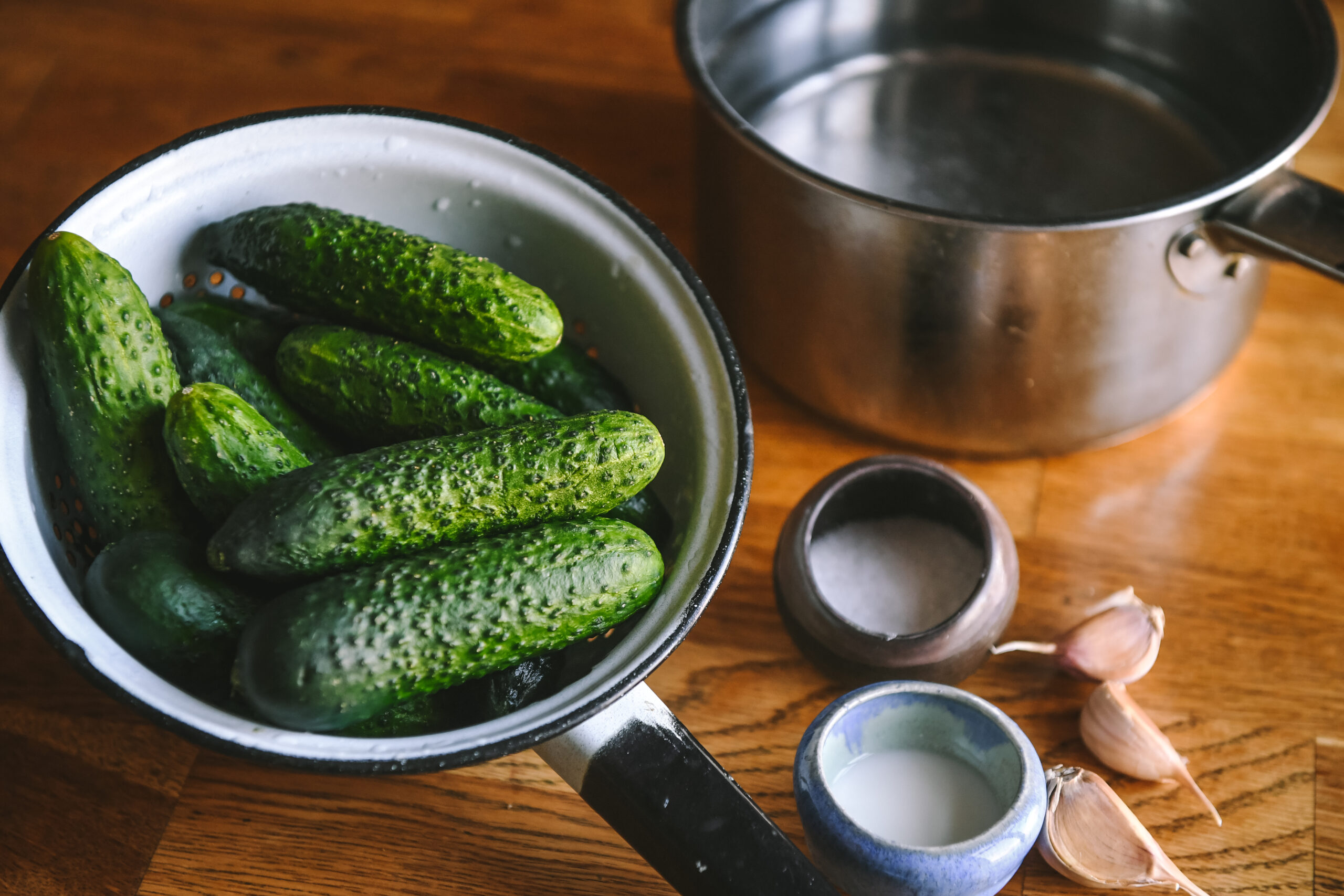
This cucumber pickle recipe belonged to Aija Zichmane’s godfather, Otto Pauderis, and has been used by her family for 69 years, ever since he first shared it with them.
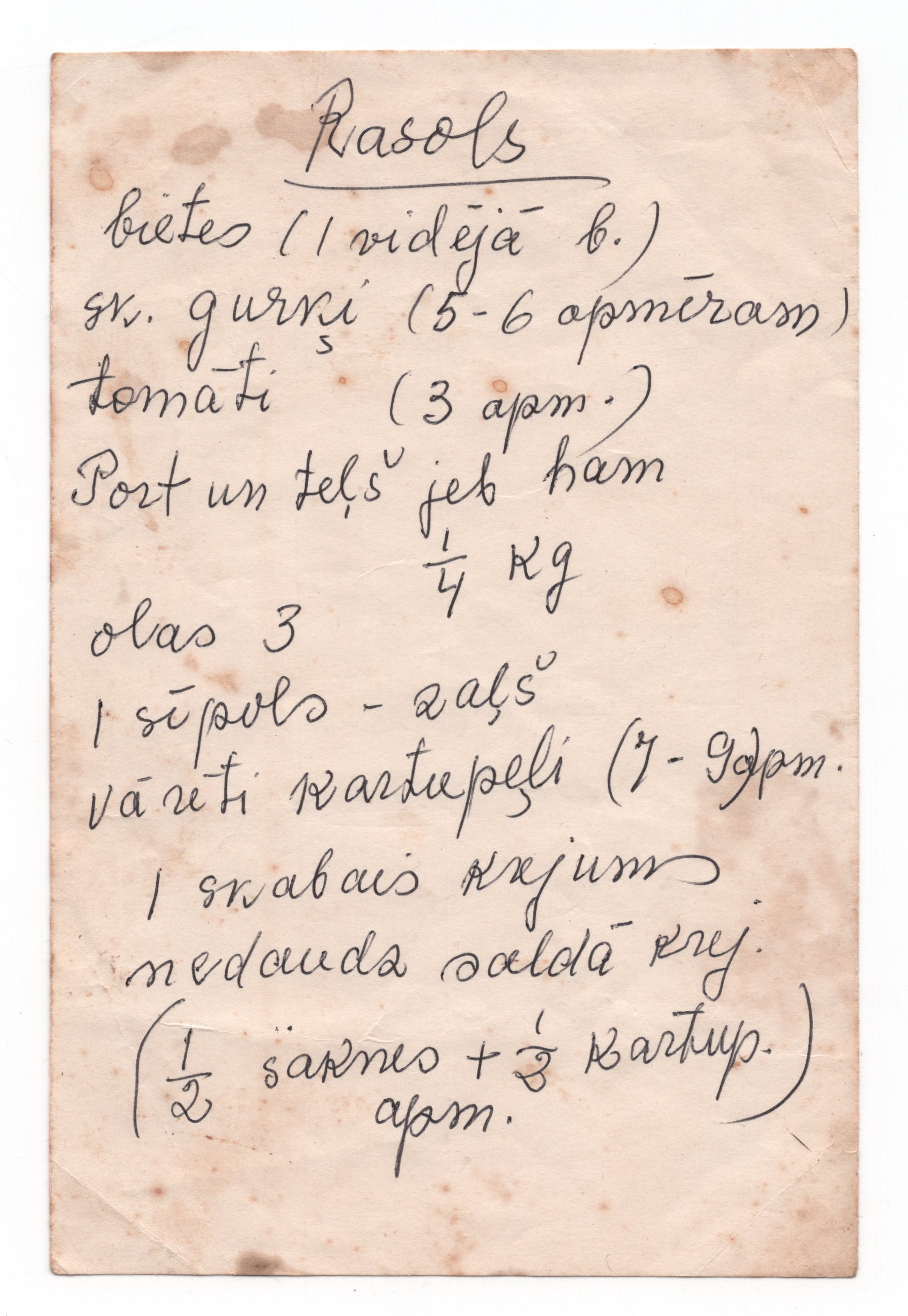
Elza Auliciema’s rasols recipe is unusual in that it includes tomatoes among the ingredients. The recipe was written in Adelaide, Australia, in the second half of the 20th century.
Rasols & galerts APRĪLIS 2026 Rasols’ Half-Brother (Elza Auliciema) INGREDIENTS 5 boiled potatoes (firm, waxy variety)3–4 hard-boiled eggs3–5 pickled cucumbers1–2 tart apples (Granny Smith or Antonovka) Optional: Fresh dill, mild onion, and chicken breast. FOR THE DRESSING Approximately 2 cups sour cream1 teaspoon mustard powder2 teaspoons saltFresh lemon juice to taste PREPARATION 1. Boil the potatoes and eggs, allow them to cool, and peel them. Peel the apples as well. Cut the potatoes into approximately 1.5 cm cubes and the apples into approximately 1 cm cubes. Chop the eggs and pickled cucumbers into small, but not overly fine, pieces. Place...

While living in America, Mirdza Grāmatiņa began making pasha for Easter, using a recipe she had found in a magazine.

Aija’s mother always made pasha for Easter, using wooden moulds that her husband had made approximately 70 years ago.
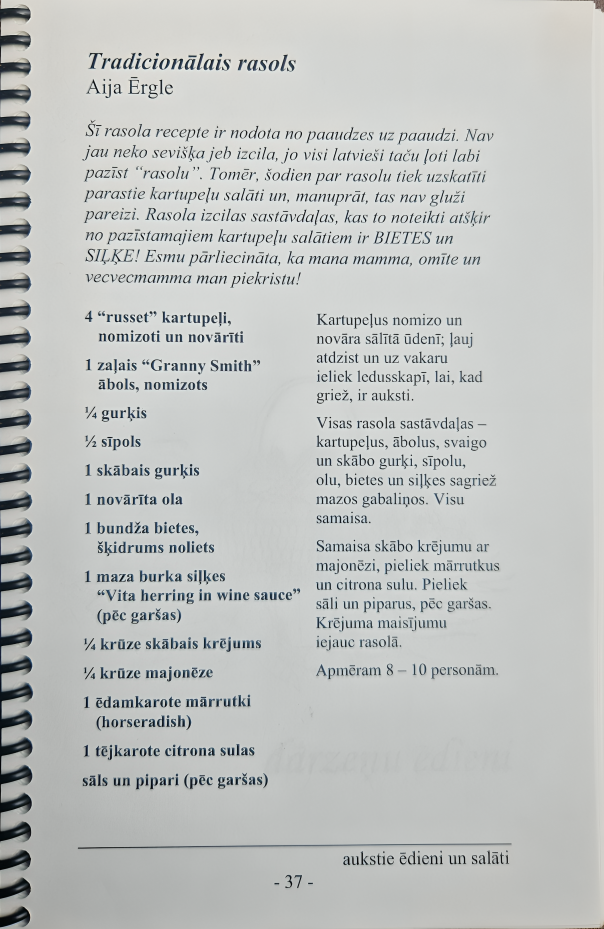
Aija’s rasols recipe has been passed down from generation to generation. Beets and herring are essential ingredients in her rasols, ensuring that, as she writes, it is distinct from potato salad!

Aivars has been baking Latvian sweet-and-sour rye bread (saldskābmaize) for many years. He learned this skill from his father and took over the bread baking when his father retired.

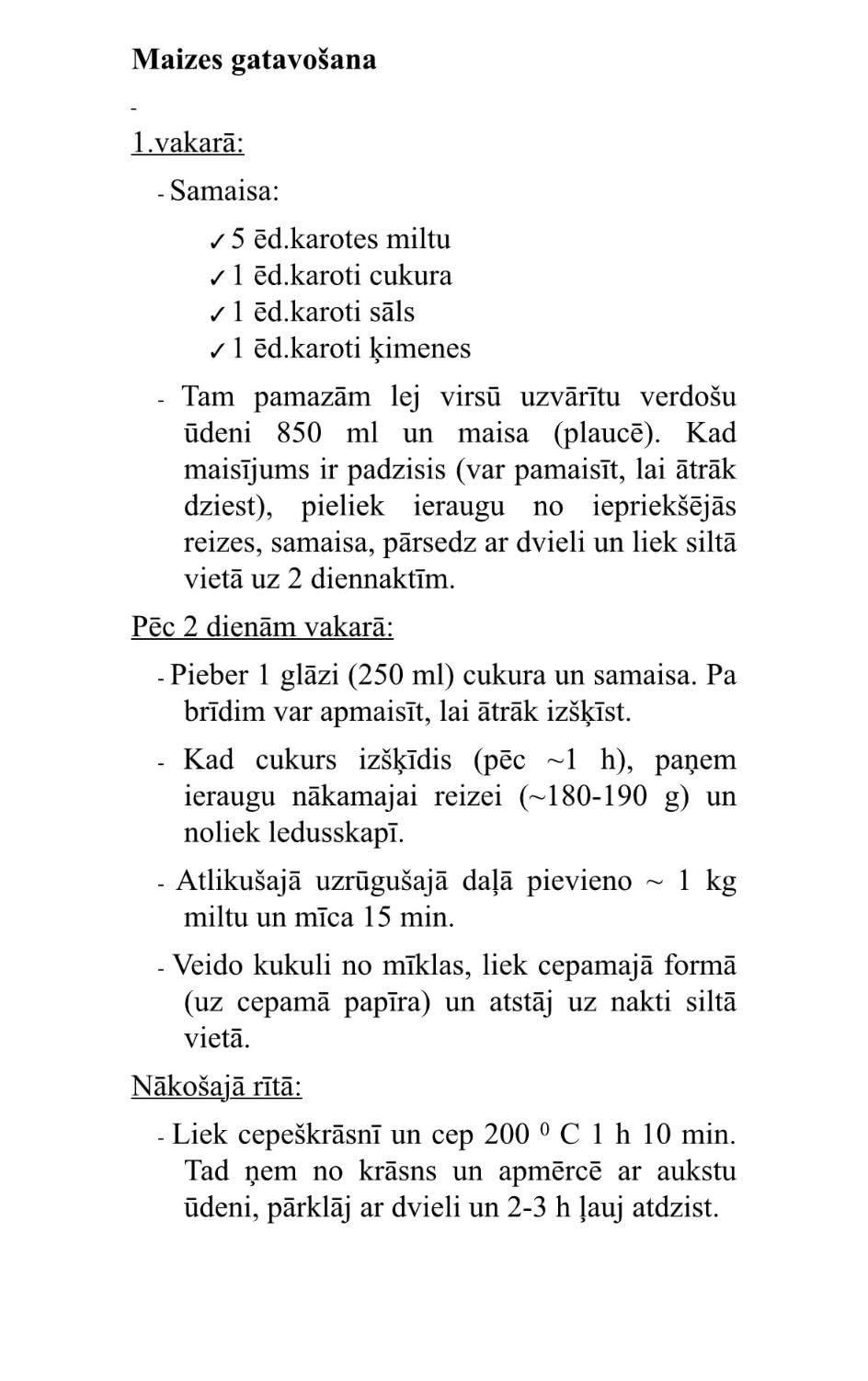
Maija Irbēns’ rye bread recipe. She baked the bread using a sourdough starter passed down from her mother.
Daiga and Andris share how they started baking bread. Watch the video to find out what inspired them, which sourdough starter they use, and how they found the right flour!
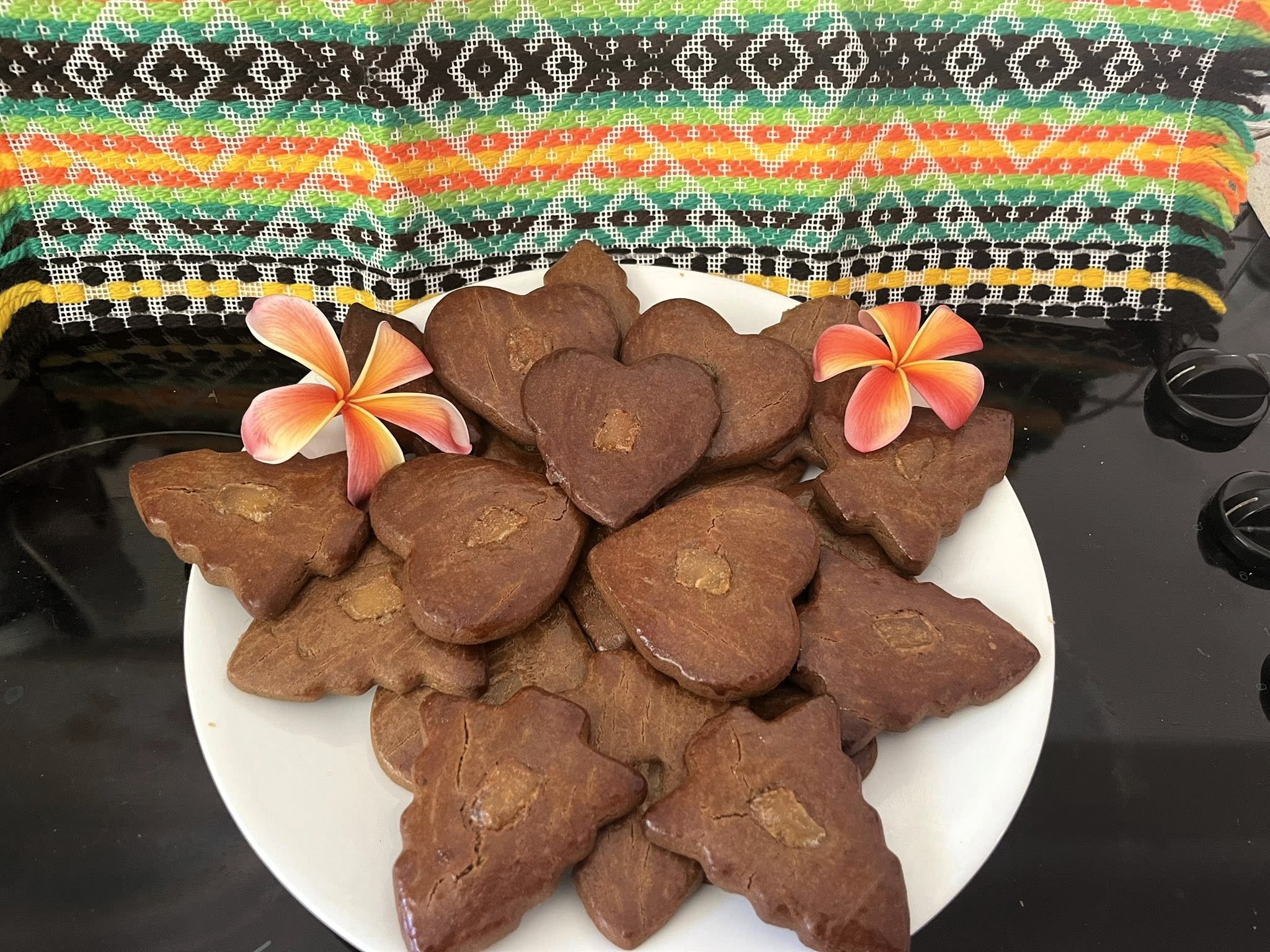
Maija’s mother, Lauma, taught her to make piparkūkas when she was a little girl, and she still bakes them today at the age of 75.

Ana’s grandmother, Eunise, regularly pickles vegetables—cucumbers, carrots and cauliflower. She adds onion and garlic, but her secret ingredient is cloves.

Inga shares her many years of experience baking piparkūkas cookies and reveals that, in her view, the secret ingredient is faith!
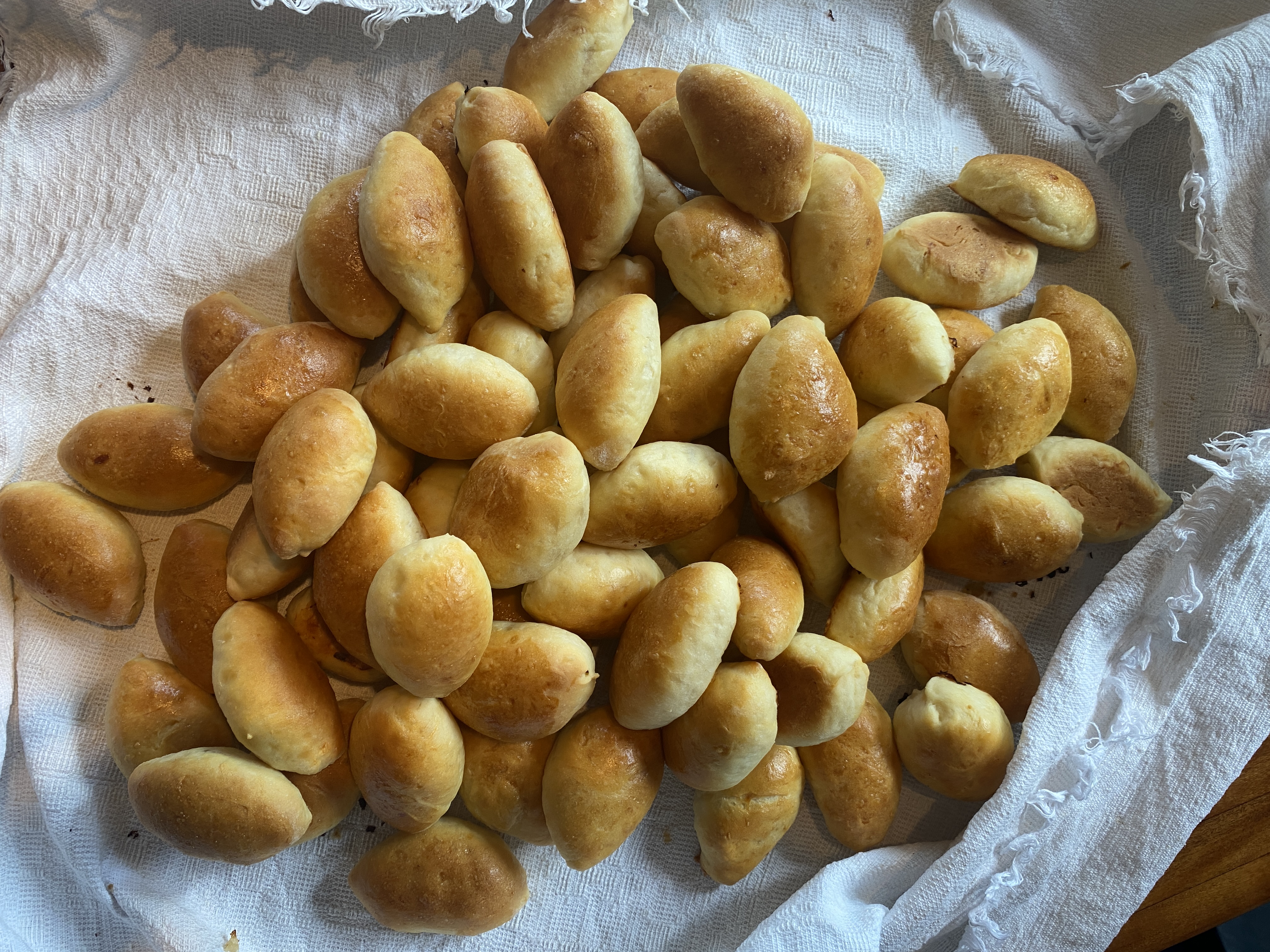
Dace Dambergs uses a tried-and-tested pīrāgi recipe that never fails. It was adapted from Mrs Silmanis’s recipe from the 1960s.

Māra’s mother was baking piparkūkas using this recipe before 1951. In the Australian heat, she and a friend would spend hours rolling out dough and baking cookies for both families and as gifts.