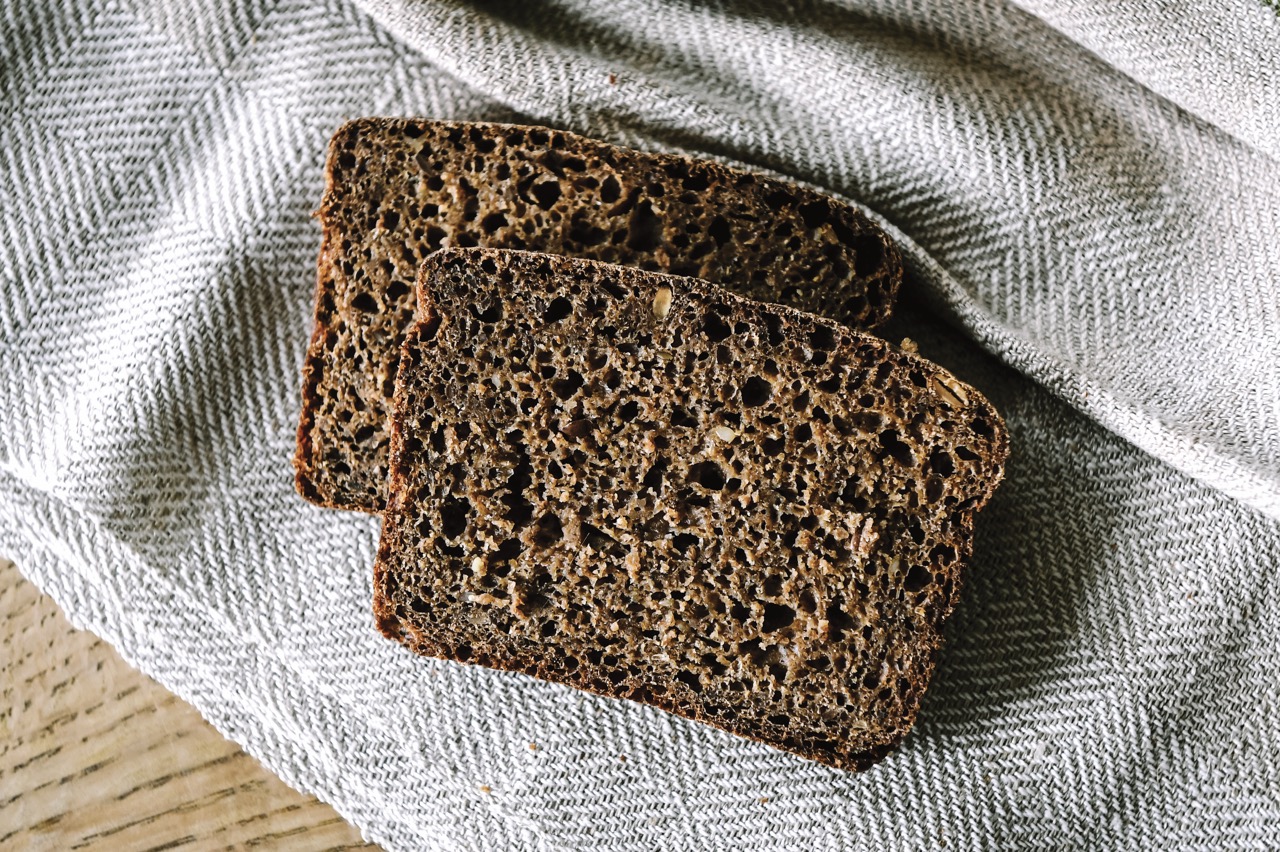
Rye bread with buckwheat and milk thistle flour (Diāna Zariņa)
Bergen, Norway
INGREDIENTS
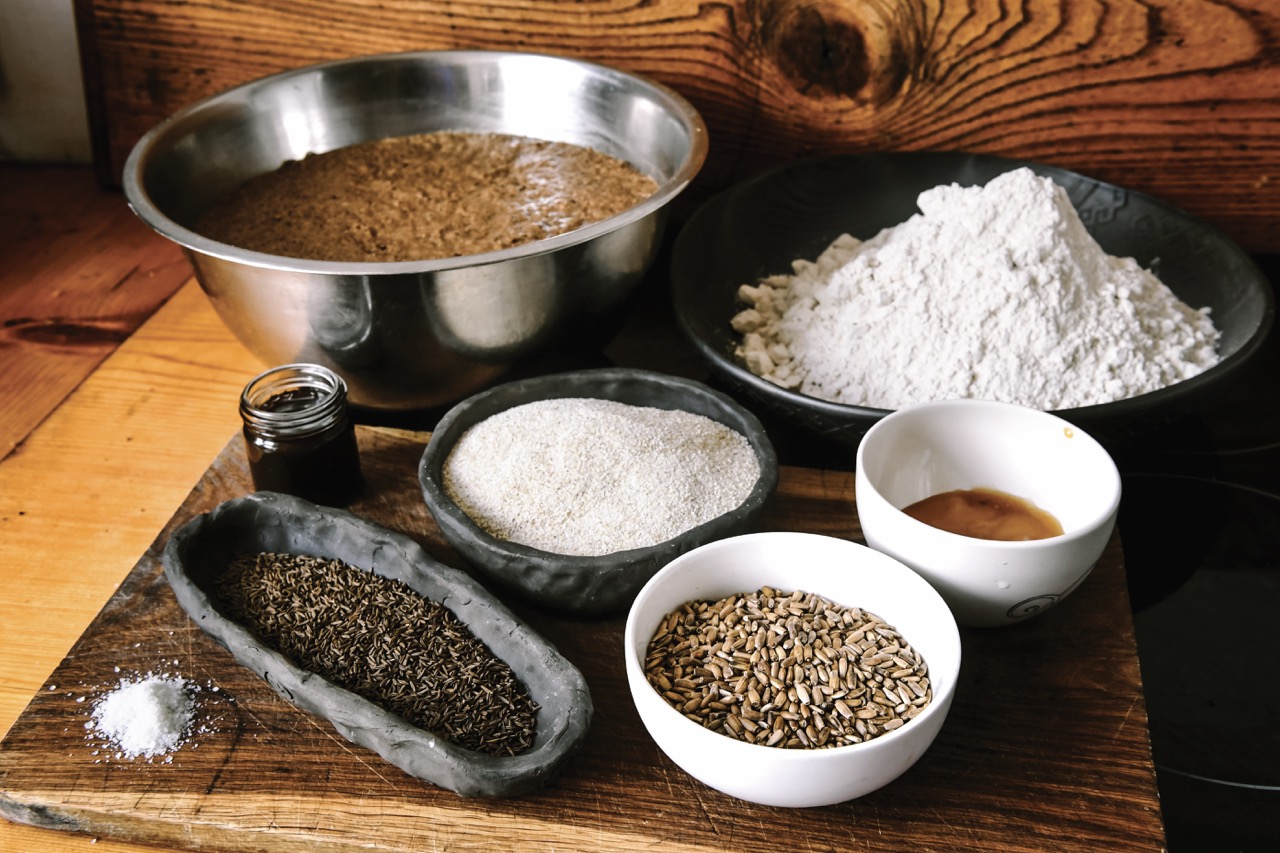
800 g coarse rye flour
500 g fine / sifted rye flour
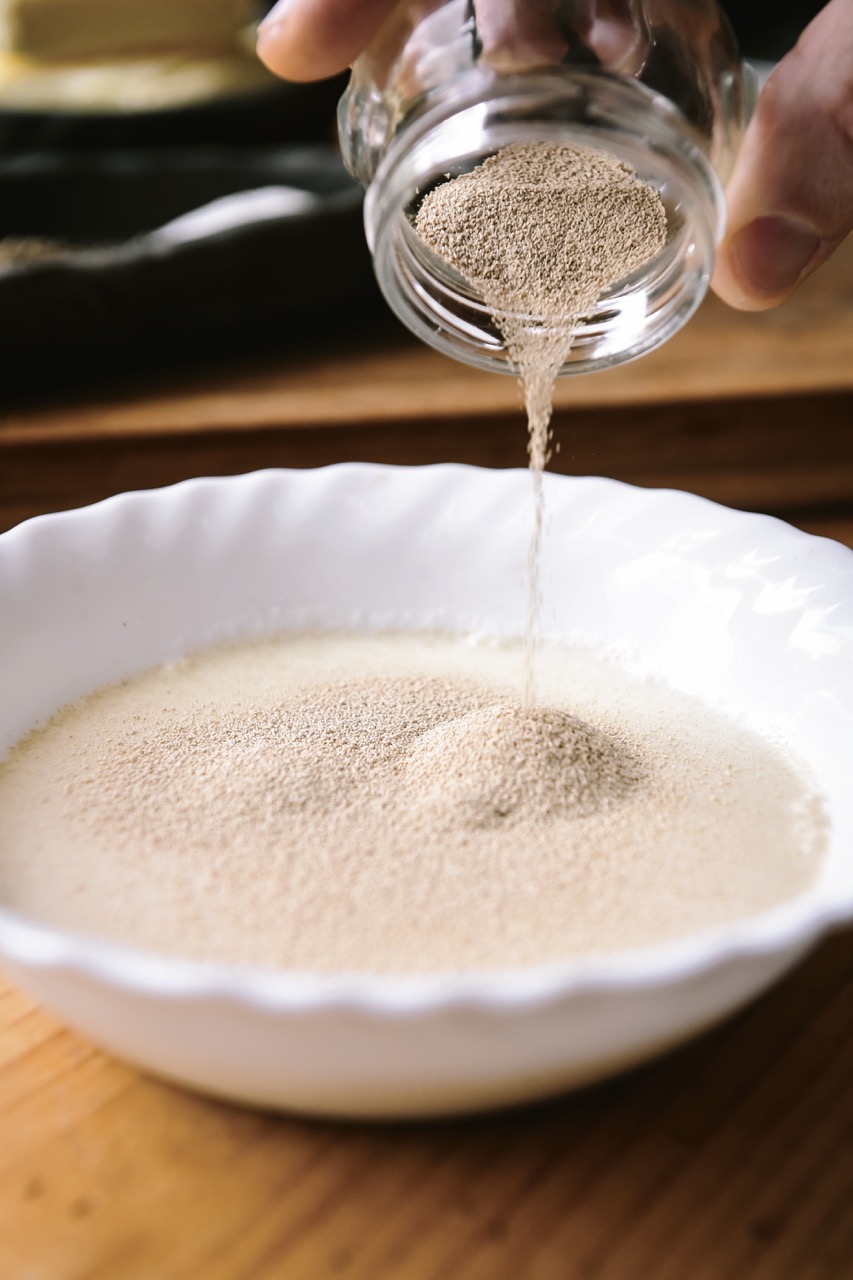
2 tbsp unfermented dry rye malt
2 tbsp fermented dry rye malt
200 g buckwheat flour
70 g milk thistle seed flour
200 g bread starter
1.2 litres (5 cups) hot water
2 tsp salt
3 tbsp honey
3 tbsp barley malt extract
3 tbsp caraway seeds
Seed mix of choice (optional)
Butter (for greasing)
PREPARATION
1. Scald and ferment. In a large bowl, combine the rye flours and dry rye malt, pour hot water over them, and stir. Cover with a towel to cool to 40°C / 105°F, then mix in the bread starter saved from a previous batch. Stir well, cover the bowl with a towel, and let it ferment in a warm place or oven (25–30°C / 77–86°F) overnight or for 12–14 hours.
2. Prepare the pans. Remove the dough from the oven; save a handful of dough in a closed container in the refrigerator for your next baking session. Grease 3–4 loaf pans with butter and dust lightly with flour.
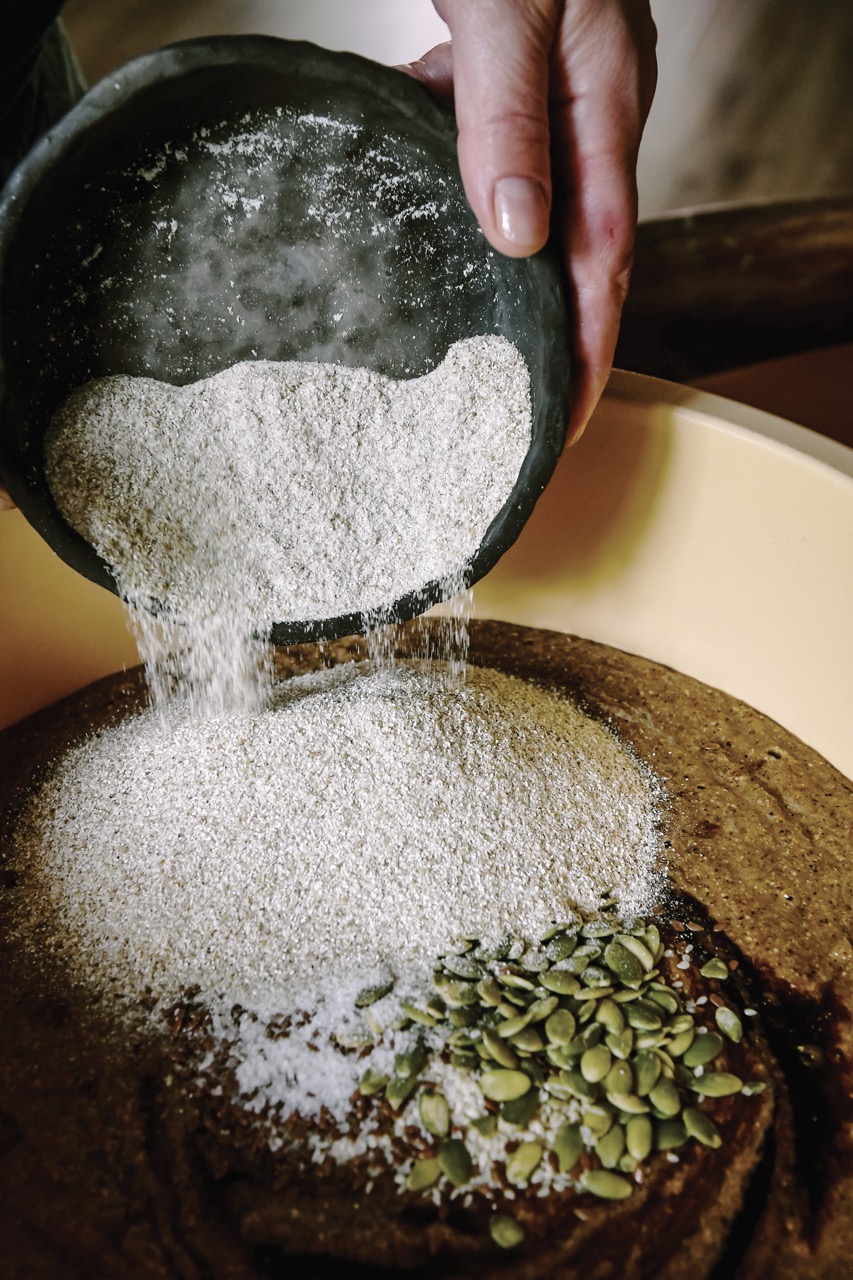
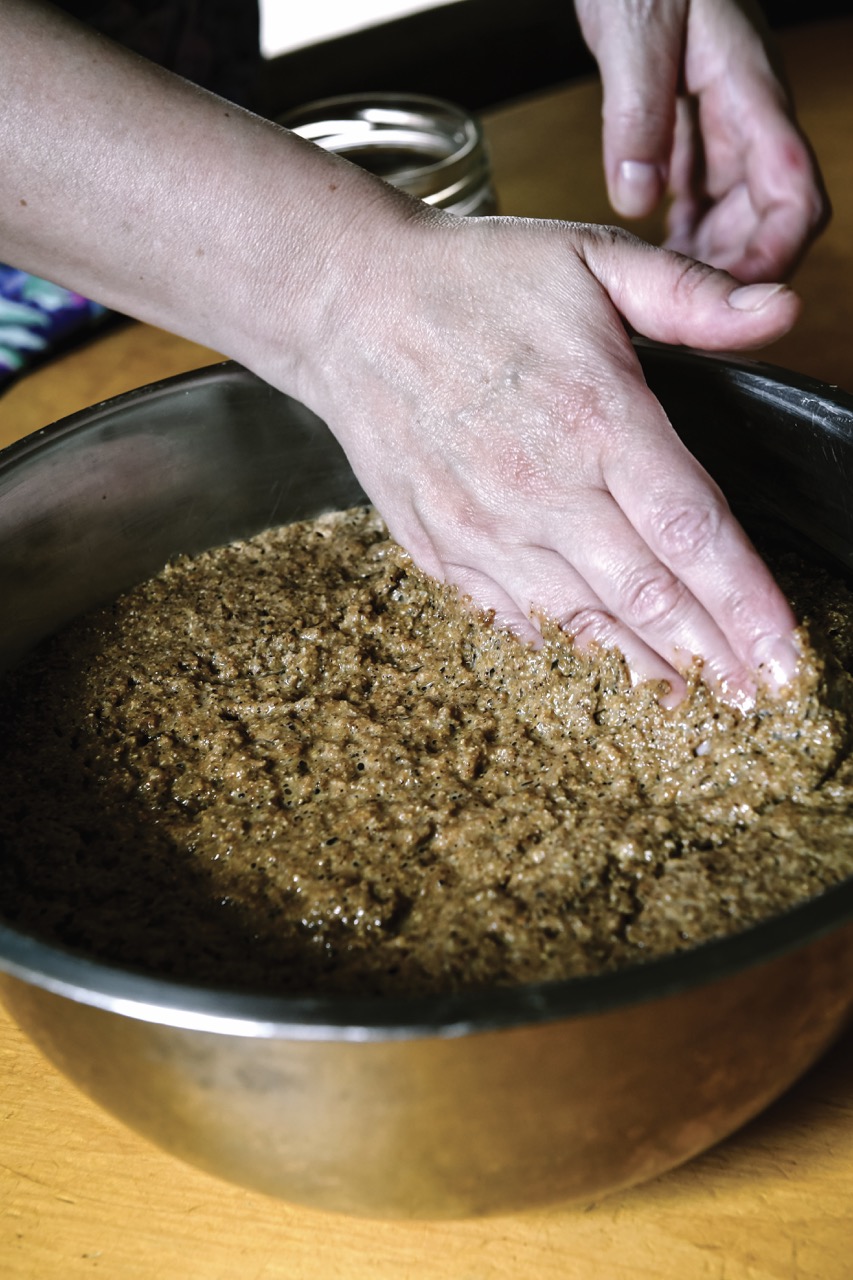
3. Knead. Add the buckwheat flour, milk thistle seed flour, salt, honey, barley malt extract, and caraway seeds (pre-steeped in hot water for fuller flavour) to the dough. Mix well. Gradually add the fine rye flour and knead thoroughly by hand for about half an hour until the dough still clings slightly to your hands but releases cleanly from the bowl. If using a seed mix, fold it in near the end of kneading.
4. Rise. Divide the dough into the prepared pans, leaving at least ⅓ of the space free at the top for rising. Smooth the tops with a wet knife, cover with a towel, and let rise in a warm place or oven (25–30°C / 77–86°F) for 3–4 hours.
5. Bake. Preheat the oven to 210°C / 410°F on convection (fan-forced) mode. Place all pans in the oven and bake for 15 minutes. Lower the temperature to 180°C / 350°F and bake for another hour.
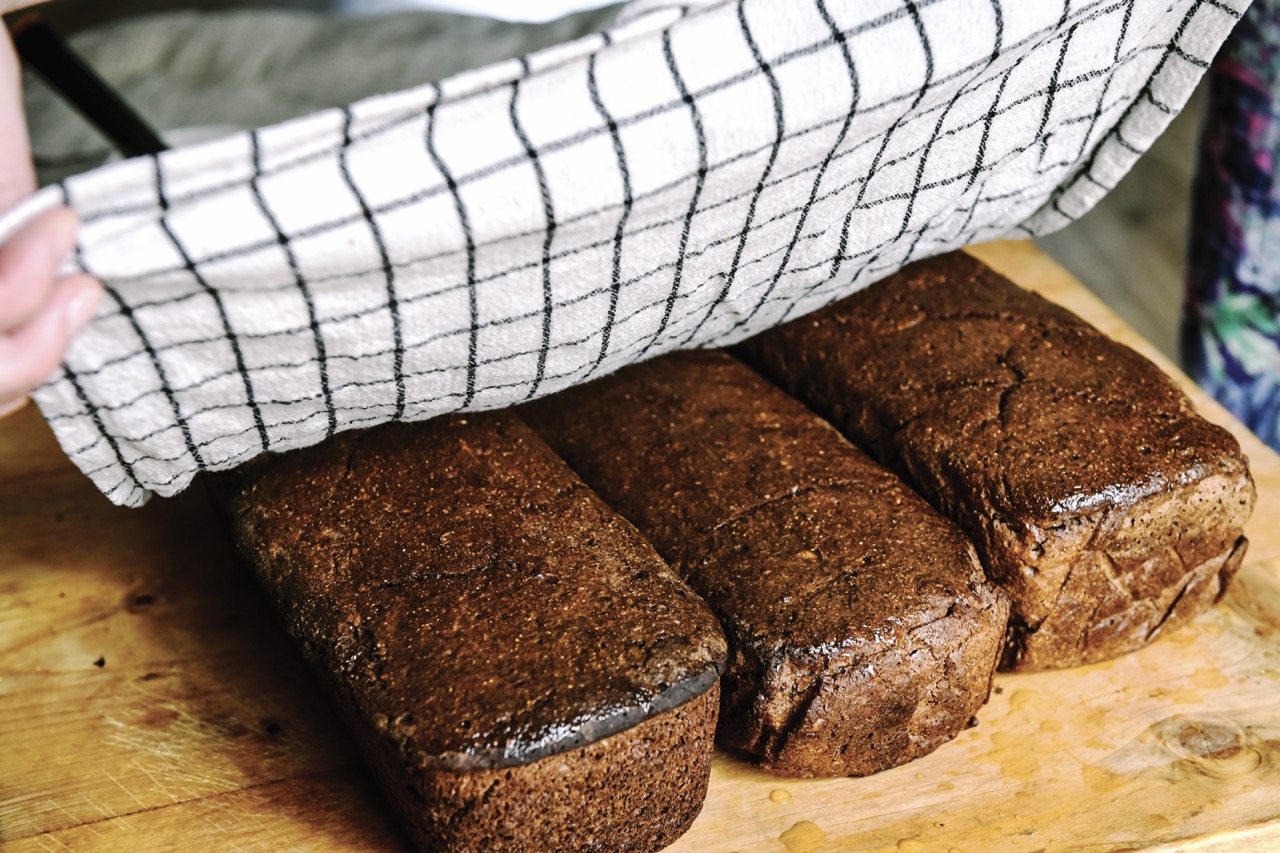
6. Cool. Remove the bread from the oven and pans, place on a wooden surface, brush with honey water, cover with a damp towel, then a dry towel, and top with a blanket. Allow the bread to cool slowly and finish setting until the next day.
NOTE FROM THE MUSEUM KITCHEN
If your oven does not have a fan-forced (convection) mode, increase the baking temperature by 20°C.
Photo: Elīna Kursīte


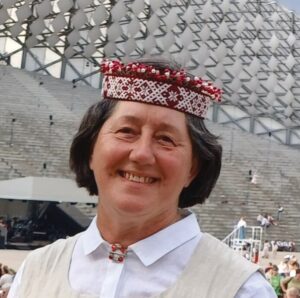
Diāna has lived in Norway for ten years and started baking bread four years ago because “in Norway, the selection of bread is pretty poor, I’d say. Their bread is white, or grey. We tried to get by in various ways. You could buy a darker sort of bread imported from Sweden at the store, but it wasn’t the real thing.”
So the idea of baking bread herself gradually took shape, and she began looking for information online. Diāna bakes bread about once a week. While she used to carry rye flour from Latvia in her suitcase, she has now found a local farm where she can buy organic rye flour. “I bring fine buckwheat flour from Latvia to mix in as well,” says Diāna. She also adds honey and milk thistle seed flour to her bread: “that’s more from a health perspective, because I figure you can’t have too much of a good thing!”
While kneading the dough, Diāna often sings folk songs. “There is a kind of sacredness in that process that probably can’t quite be put into words. Baking bread is a journey to oneself, to one’s roots, to one’s essence. There is also a dose of love in it. It’s something from the ancestors, something about continuation,” Diāna explains.
Diāna’s heart still belongs to Latvia, where she has five granddaughters. She is certain she will eventually return and continue baking bread in Latvia as well – using her own authentic wooden dough trough (abra).
When Diāna had a milestone birthday in the spring, for the first time in her life she baked herself a loaf of rye bread for the celebration instead of a cake.
