Piparkūkas (Māra Goldsmith)
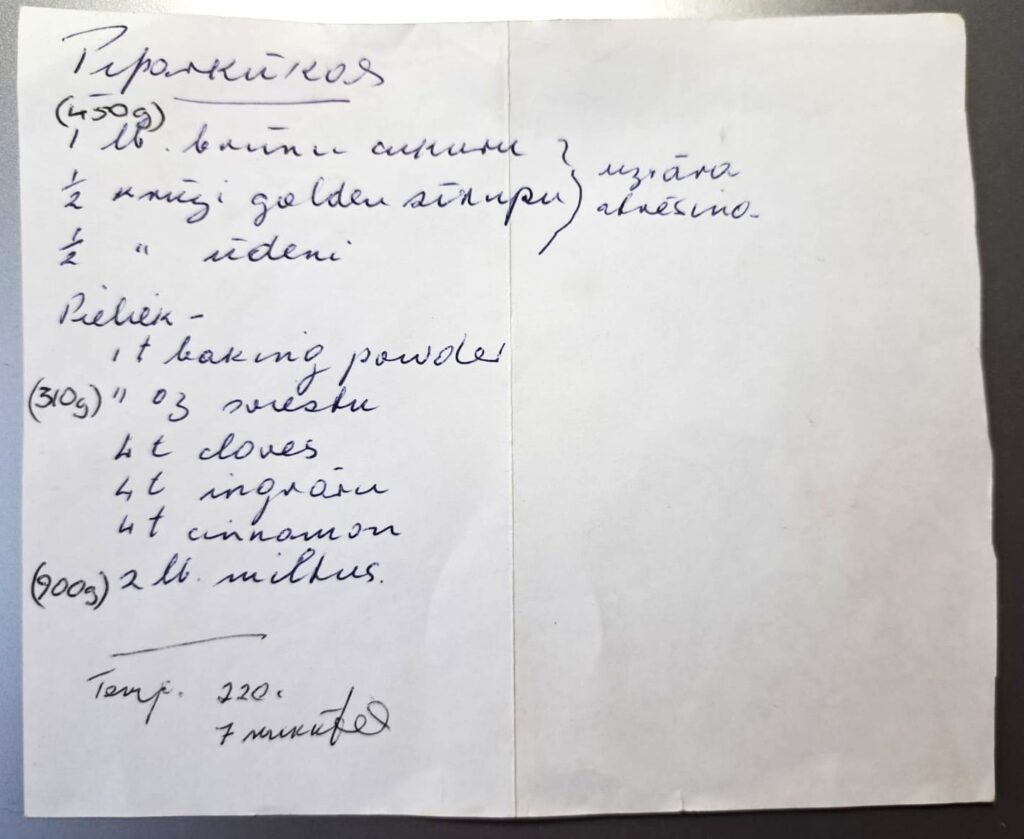
Māra’s mother was baking piparkūkas using this recipe before 1951. In the Australian heat, she and a friend would spend hours rolling out dough and baking cookies for both families and as gifts.
Pīrāgi (Dace Dambergs)
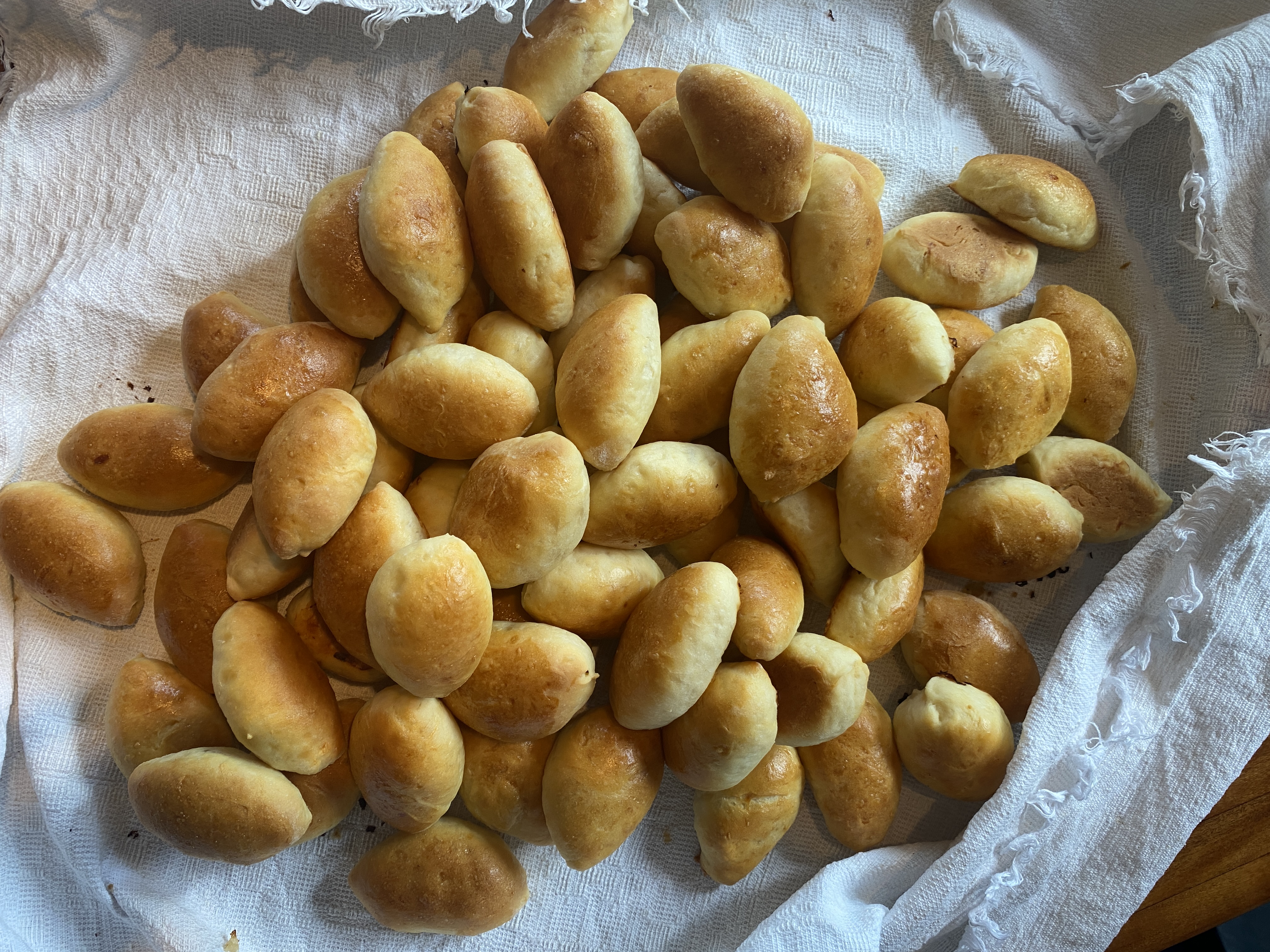
Dace Dambergs uses a tried-and-tested pīrāgi recipe that never fails. It was adapted from Mrs Silmanis’s recipe from the 1960s.
Piparkūkas (Inga Lucāns)
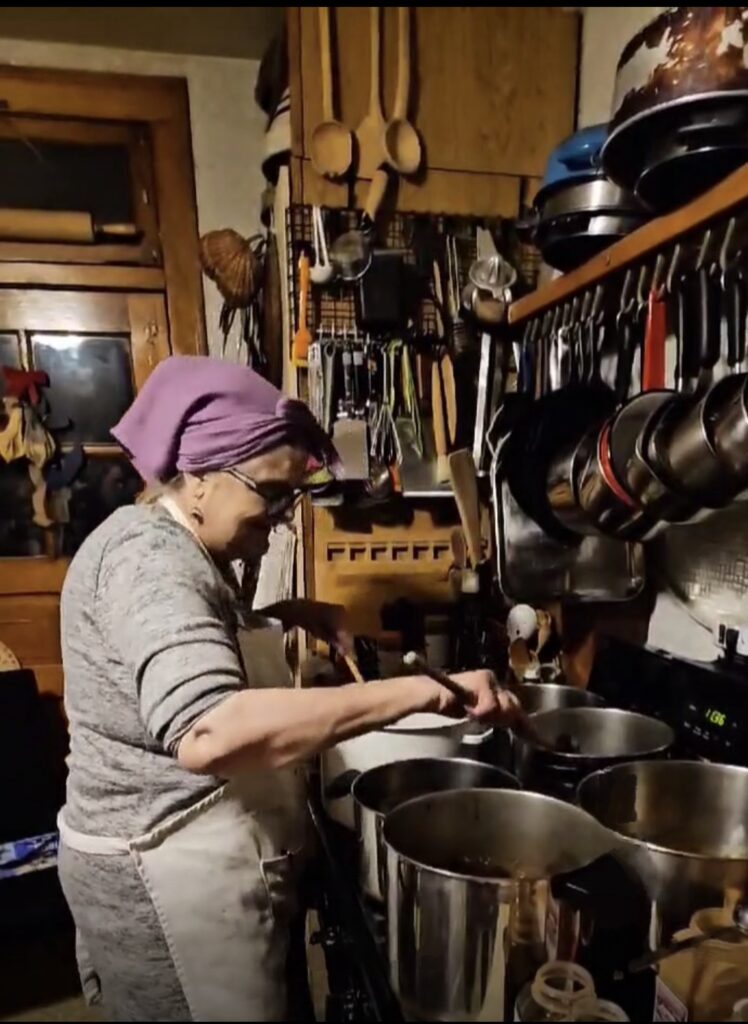
Inga shares her many years of experience baking piparkūkas cookies and reveals that, in her view, the secret ingredient is faith!
Pickled Vegetables (Ana Beatrise Apse-Paese)
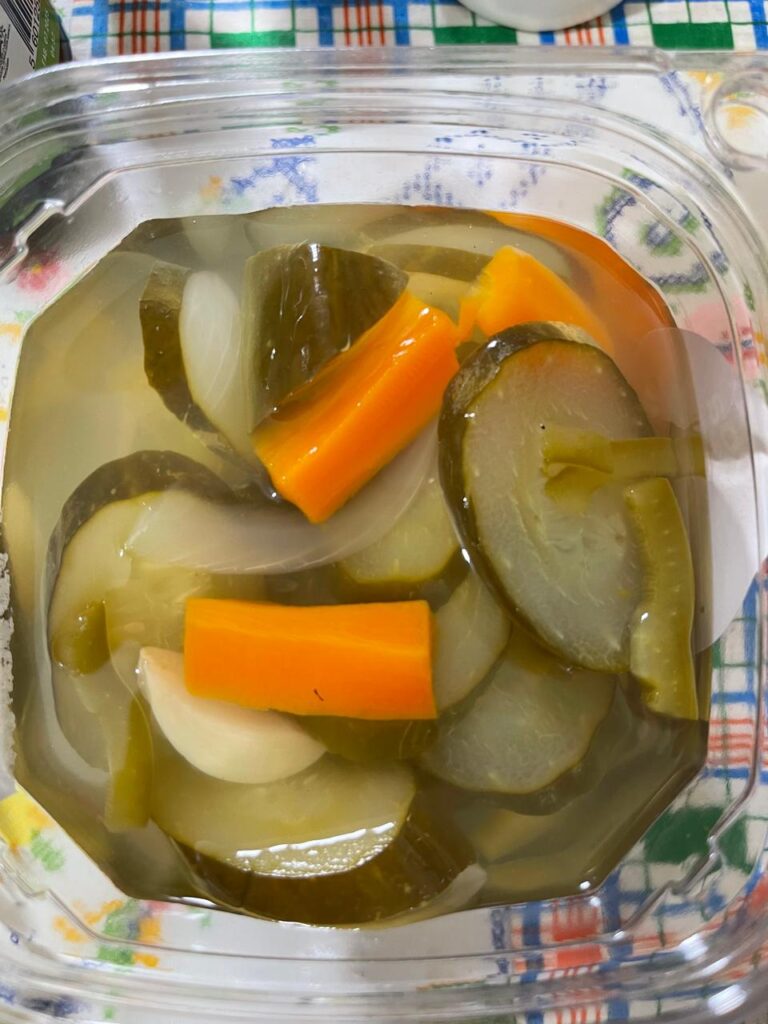
Ana’s grandmother, Eunise, regularly pickles vegetables—cucumbers, carrots and cauliflower. She adds onion and garlic, but her secret ingredient is cloves.
Piparkūkas (Maija Liiv)
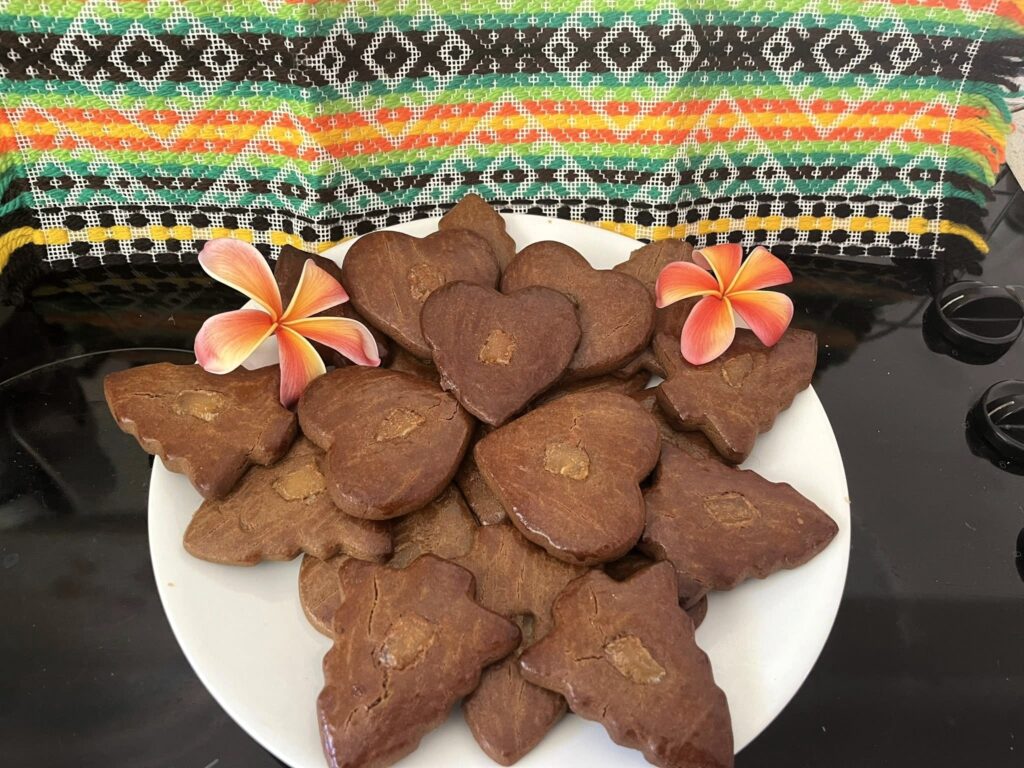
Maija’s mother, Lauma, taught her to make piparkūkas when she was a little girl, and she still bakes them today at the age of 75.
Sweet-and-Sour Bread (Daiga and Andris Rūtiņi)
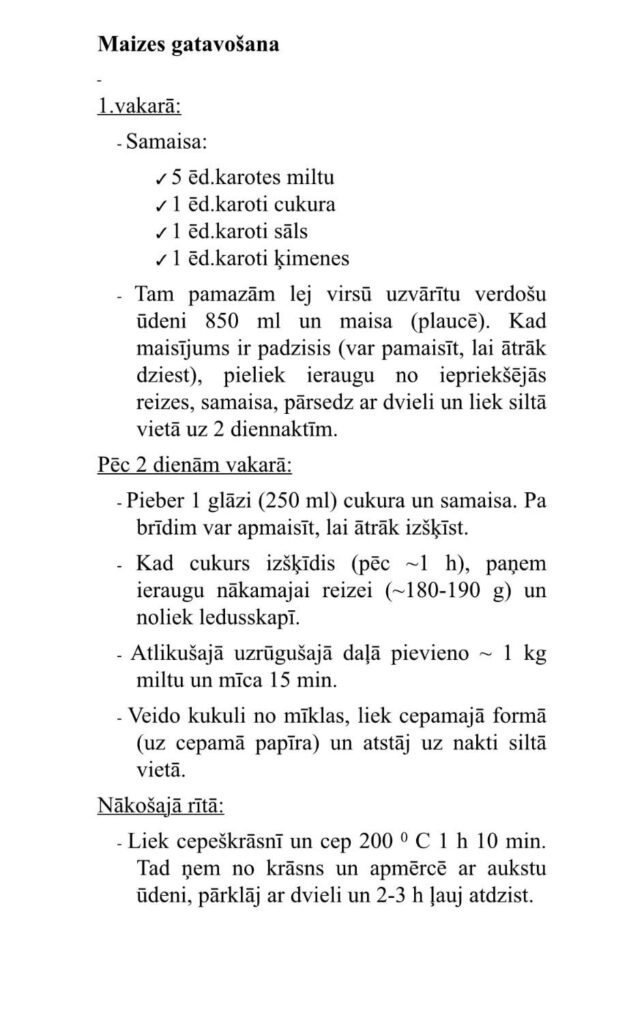
Daiga and Andris share how they started baking bread. Watch the video to find out what inspired them, which sourdough starter they use, and how they found the right flour!
Rye Bread (Maija Irbēns)
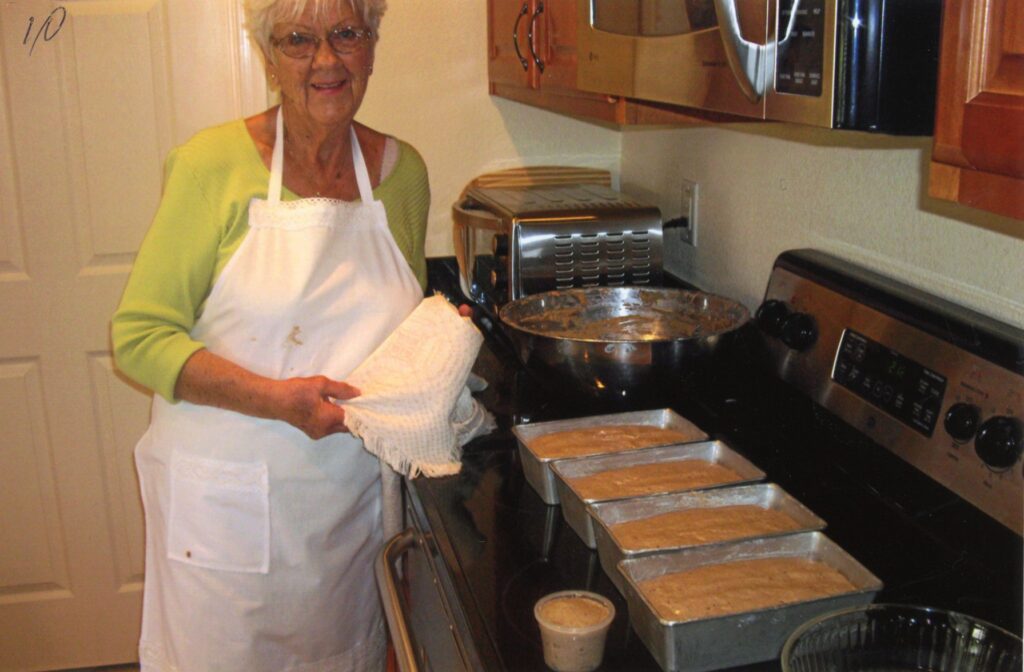
Maija Irbēns’ rye bread recipe. She baked the bread using a sourdough starter passed down from her mother.
Sweet-and-Sour Bread (Aivars Stūris)
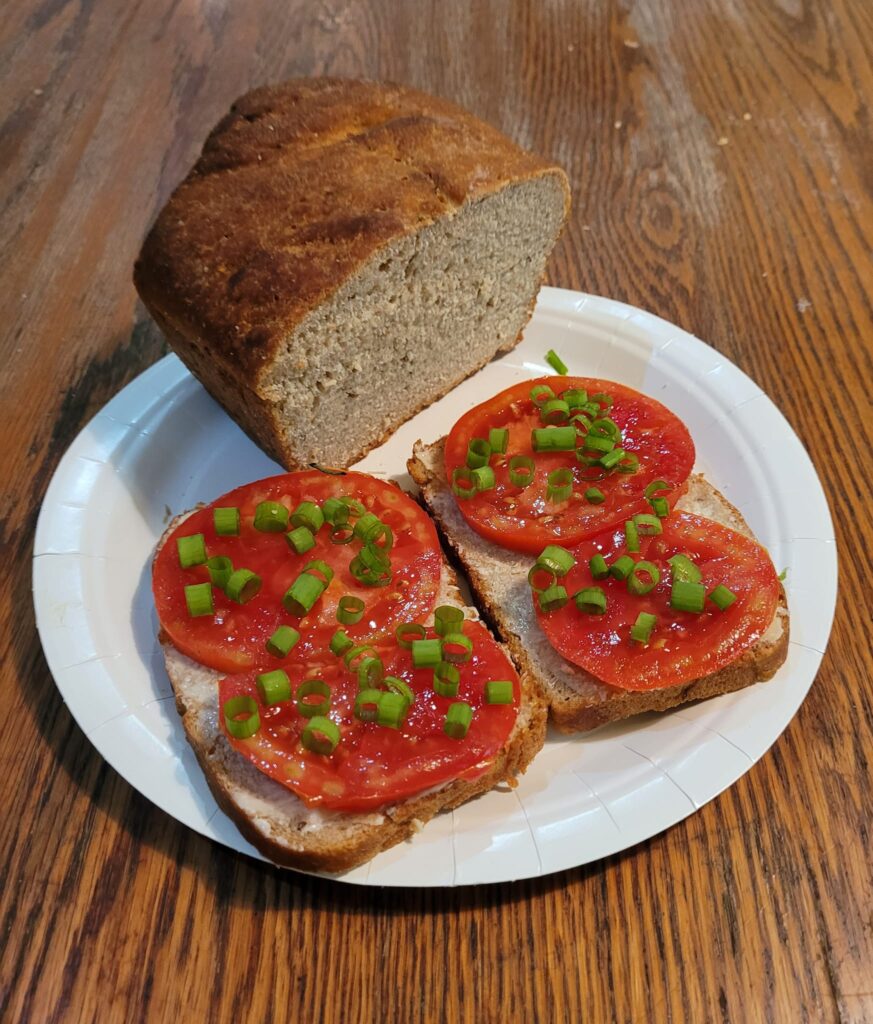
Aivars has been baking Latvian sweet-and-sour rye bread (saldskābmaize) for many years. He learned this skill from his father and took over the bread baking when his father retired.
Rasols (Aija Ērgle)
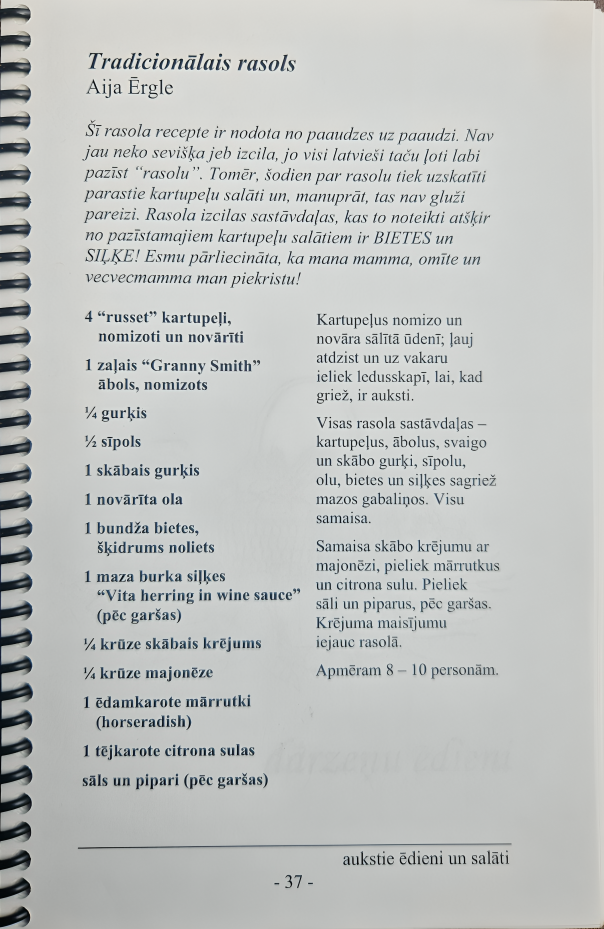
Aija’s rasols recipe has been passed down from generation to generation. Beets and herring are essential ingredients in her rasols, ensuring that, as she writes, it is distinct from potato salad!
Pasha (Aija Ērgle)

Aija’s mother always made pasha for Easter, using wooden moulds that her husband had made approximately 70 years ago.