Pasha (Laima Grāmatiņa)
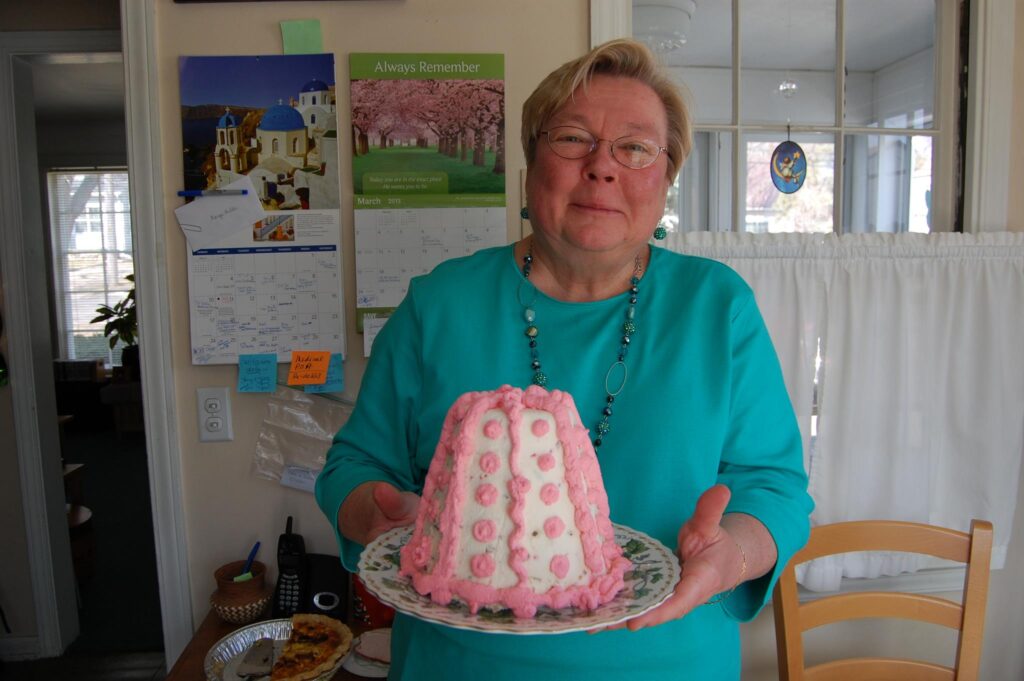
While living in America, Mirdza Grāmatiņa began making pasha for Easter, using a recipe she had found in a magazine.
Rasols’ Half-Brother (Gundega Michele)
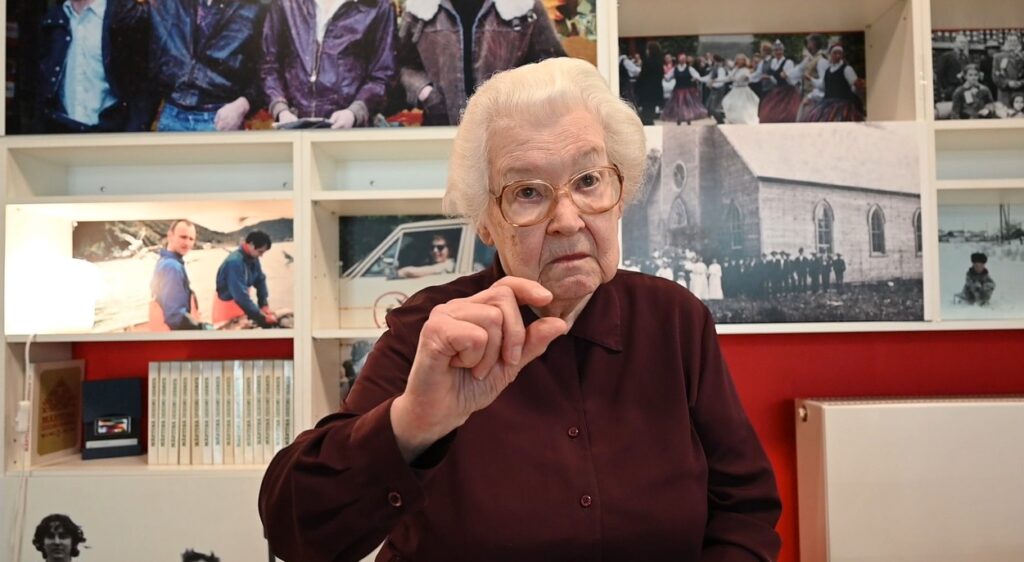
Rasols & galerts APRĪLIS 2026 Rasols’ Half-Brother (Elza Auliciema) INGREDIENTS 5 boiled potatoes (firm, waxy variety)3–4 hard-boiled eggs3–5 pickled cucumbers1–2 tart apples (Granny Smith or Antonovka) Optional: Fresh dill, mild onion, and chicken breast. FOR THE DRESSING Approximately 2 cups sour cream1 teaspoon mustard powder2 teaspoons saltFresh lemon juice to taste PREPARATION 1. Boil the potatoes and eggs, allow them to cool, and peel them. Peel the apples as well. Cut the potatoes into approximately 1.5 cm cubes and the apples into approximately 1 cm cubes. Chop the eggs and pickled cucumbers into small, but not overly fine, pieces. Place all the chopped ingredients in a suitably sized bowl. 2. If desired, add finely chopped onion, fresh dill, and cooked or boiled chicken breast cut into small pieces. 3. In a separate bowl, mix the sour cream with the mustard powder, salt, and fresh lemon juice. Add the dressing to the remaining ingredients and mix thoroughly. Taste and, if necessary, add more salt or lemon juice until the desired flavour is achieved. While living in the United States, Gundega Michele created her own rasols recipe. As it turns out, the most important thing about the recipe is what it leaves out! Gundega’s “Rasols’ Half-Brother” must not contain carrots, peas, herring, beets, sausage, or any other meat. The only exception is chicken breast, which can be added if desired. In the interview, Gundega shares more about her unique rasols recipe and how it came about. https://youtu.be/TtaeIyGSz30 Aprīļa ziņas skip render: ucaddon_post_grid
Rasols (Elza Auliciema)
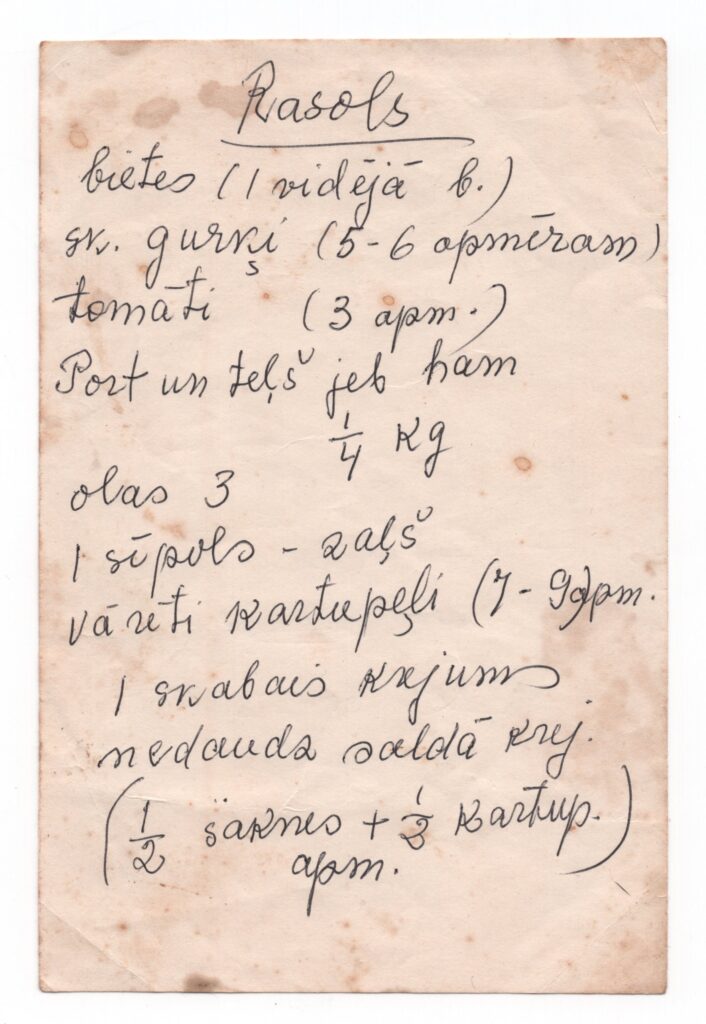
Elza Auliciema’s rasols recipe is unusual in that it includes tomatoes among the ingredients. The recipe was written in Adelaide, Australia, in the second half of the 20th century.
Fermented cucumbers (Otto Pauders)
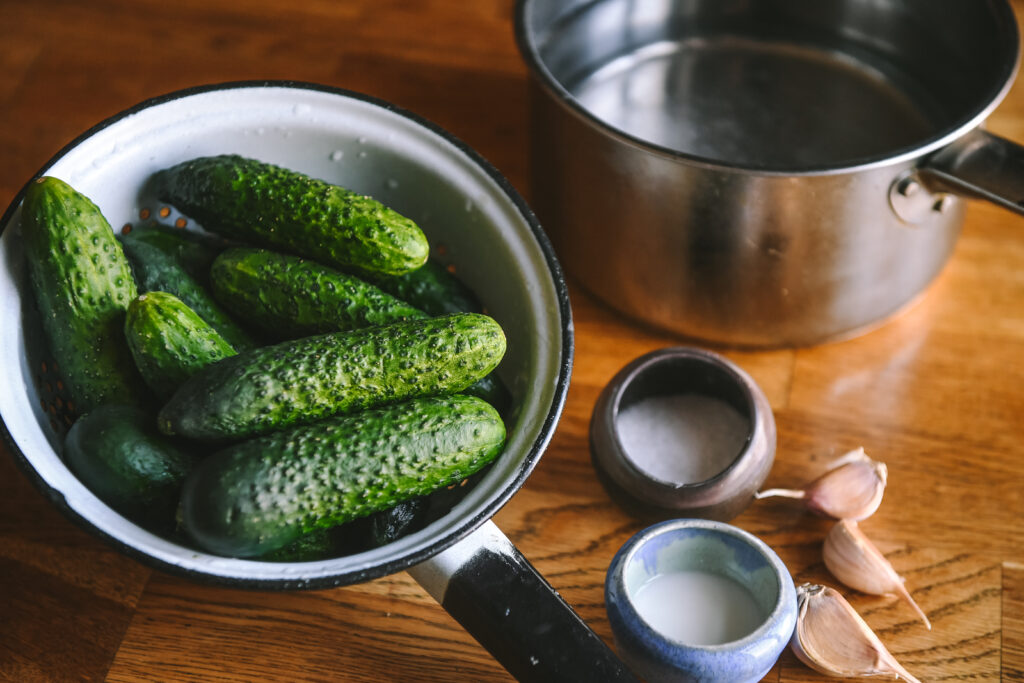
This cucumber pickle recipe belonged to Aija Zichmane’s godfather, Otto Pauderis, and has been used by her family for 69 years, ever since he first shared it with them.
Fermented cabbage (Zanda Šulcs)
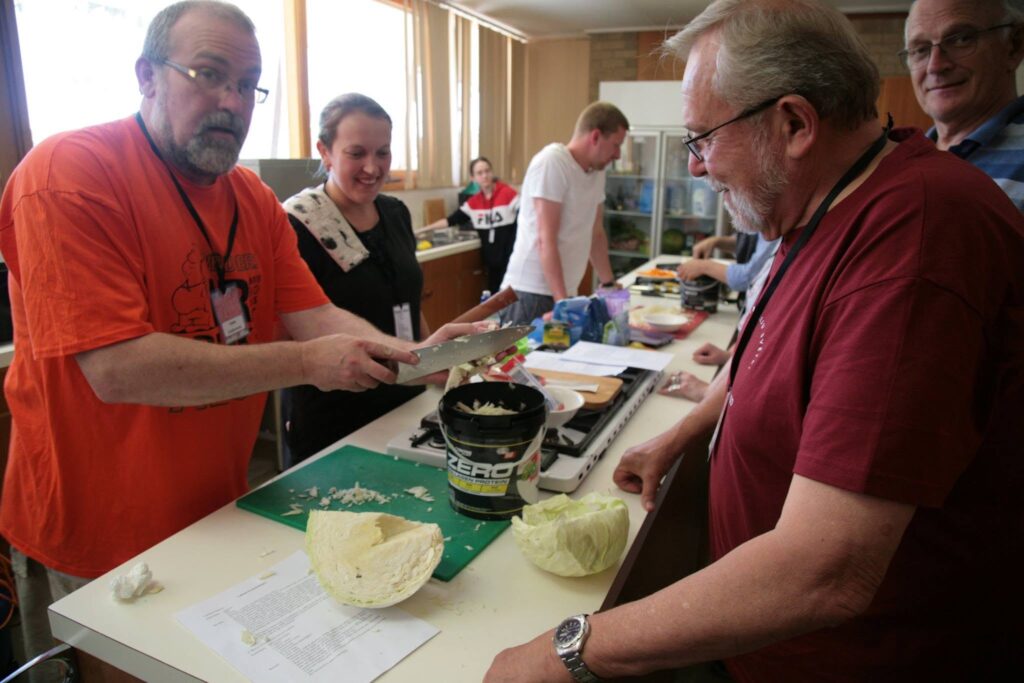
This sauerkraut recipe belongs to Zanda Šulca and was used during the cooking workshops she led at the 3×3 gathering in Victor Harbor, Australia. The gathering took place from 31 December 2018 to 6 January 2019.
Eiženija’s Jāņu siers
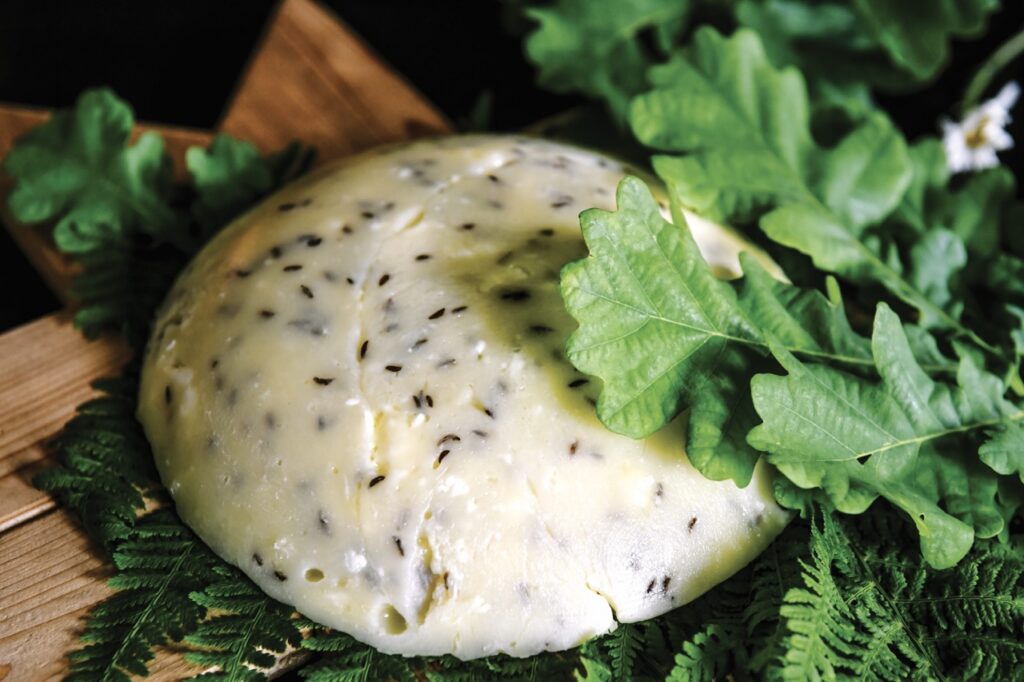
Several Latvian families live on the Gold Coast in Australia. From time to time, they make traditional Latvian Jāņu cheese using a “new, quick” recipe.
Sidrabene’s Jāņu siers (Andris Daugavietis)
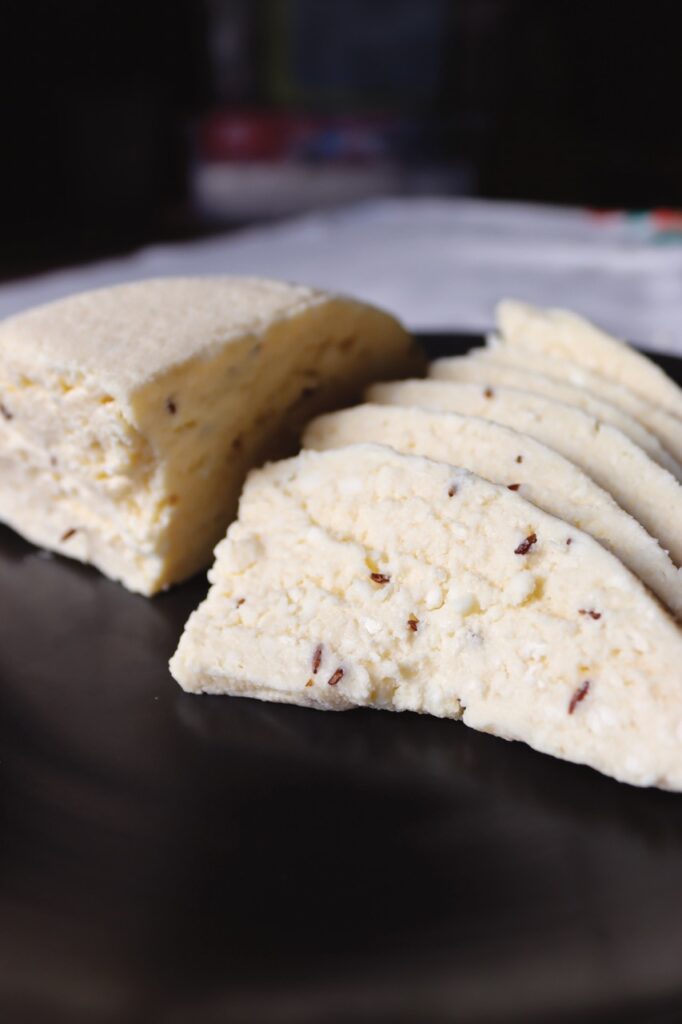
Andris Daugavietis’s grandmother Gaida Āpše always made Jāņu cheese for the Midsummer celebrations held at the Latvian property of Sidrabene.
Cocoa piparkūkas (Ilze Atardo)
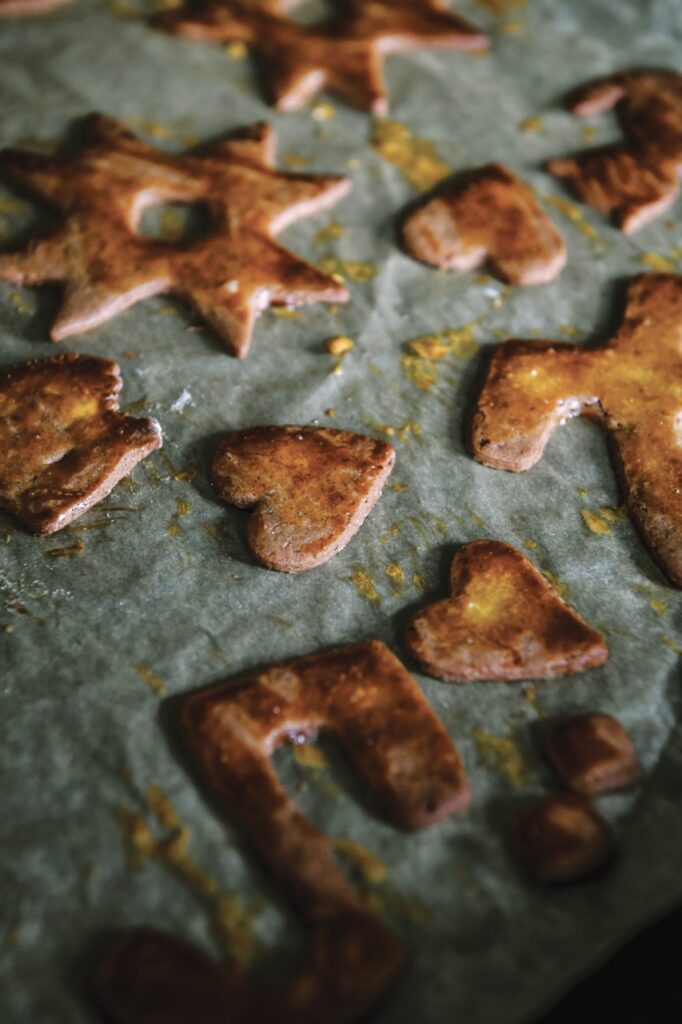
When Ilze lived in Latvia, piparkūkas
were always baked at home during Christmas from scratch using her mother’s recipe. Now, a Piparkūkas
weekend camp takes place annually at the Latvian Saturday school in Italy, under Ilze’s guidance.
Piparkūkas (Mirdza Rollis, Kalamazoo Ladies’ Auxiliary)
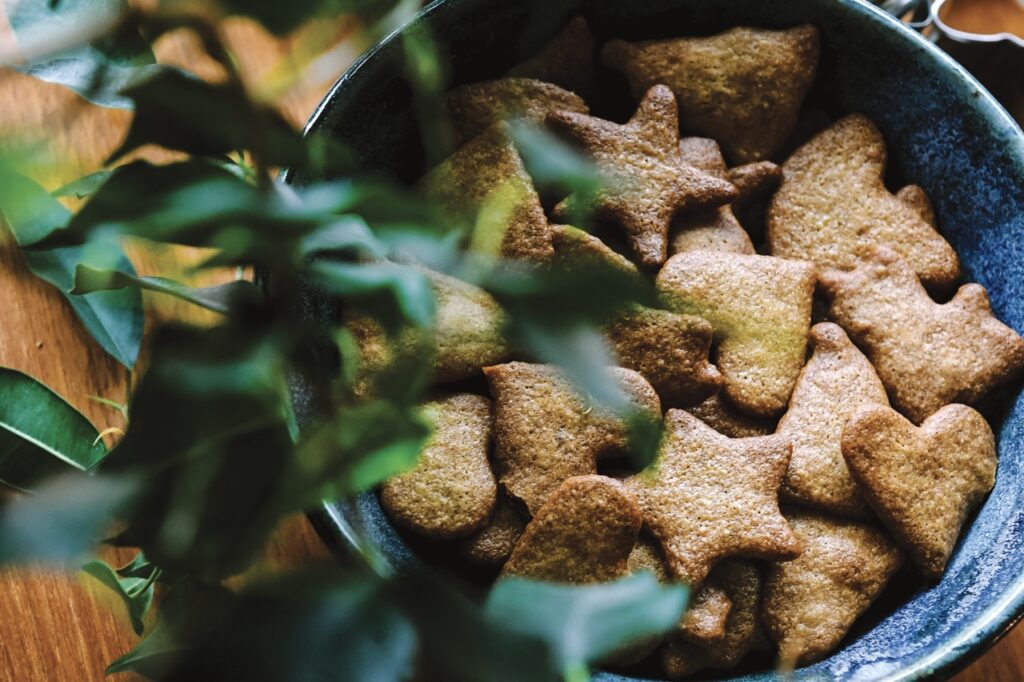
The Kalamazoo Ladies’ Auxiliary has used the same piparkūkas recipe since charity baking bees were initiated in 1962.
Rye bread with buckwheat and milk thistle flour (Diāna Zariņa)
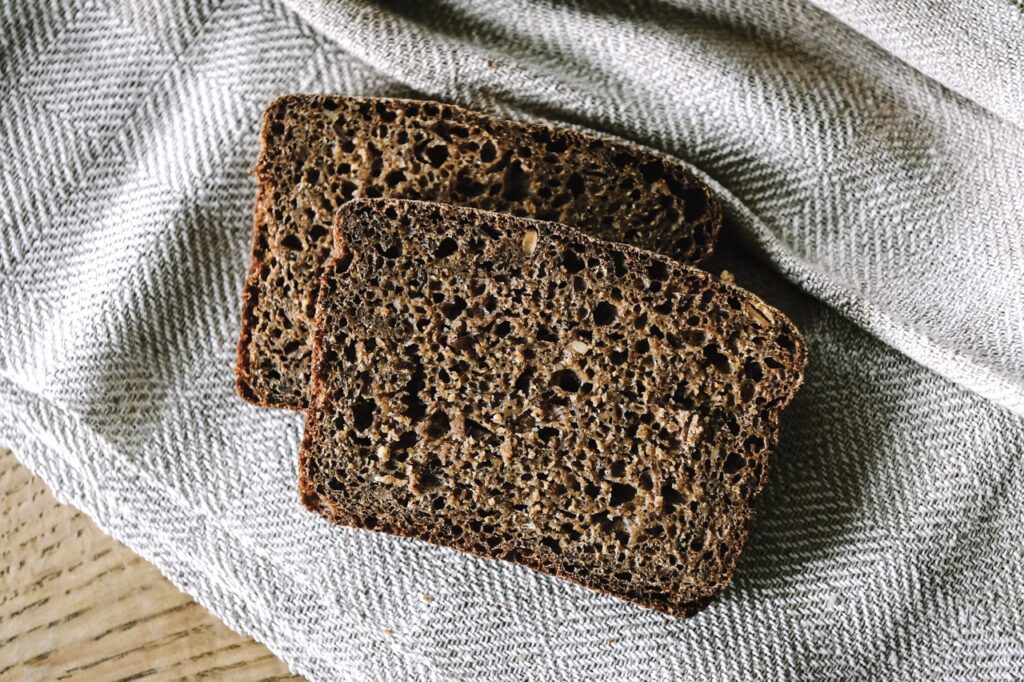
Diāna started baking bread in Norway because she sees the selection of bread there as pretty poor. Now she bakes bread about
once a week.