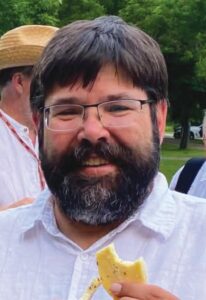
Andris Daugavietis was born in Canada and lives in Toronto. His grandmother Gaida Āpše was a graduate of the Kaucminde School of Domestic Arts in Latvia and served as one of the head cooks in the Toronto Latvian community. She was often asked to cater festive tables for Latvian gatherings. Andris’ grandmother always made Jāņu siers for the Midsummer celebrations held at the Sidrabene Latvian Centre.
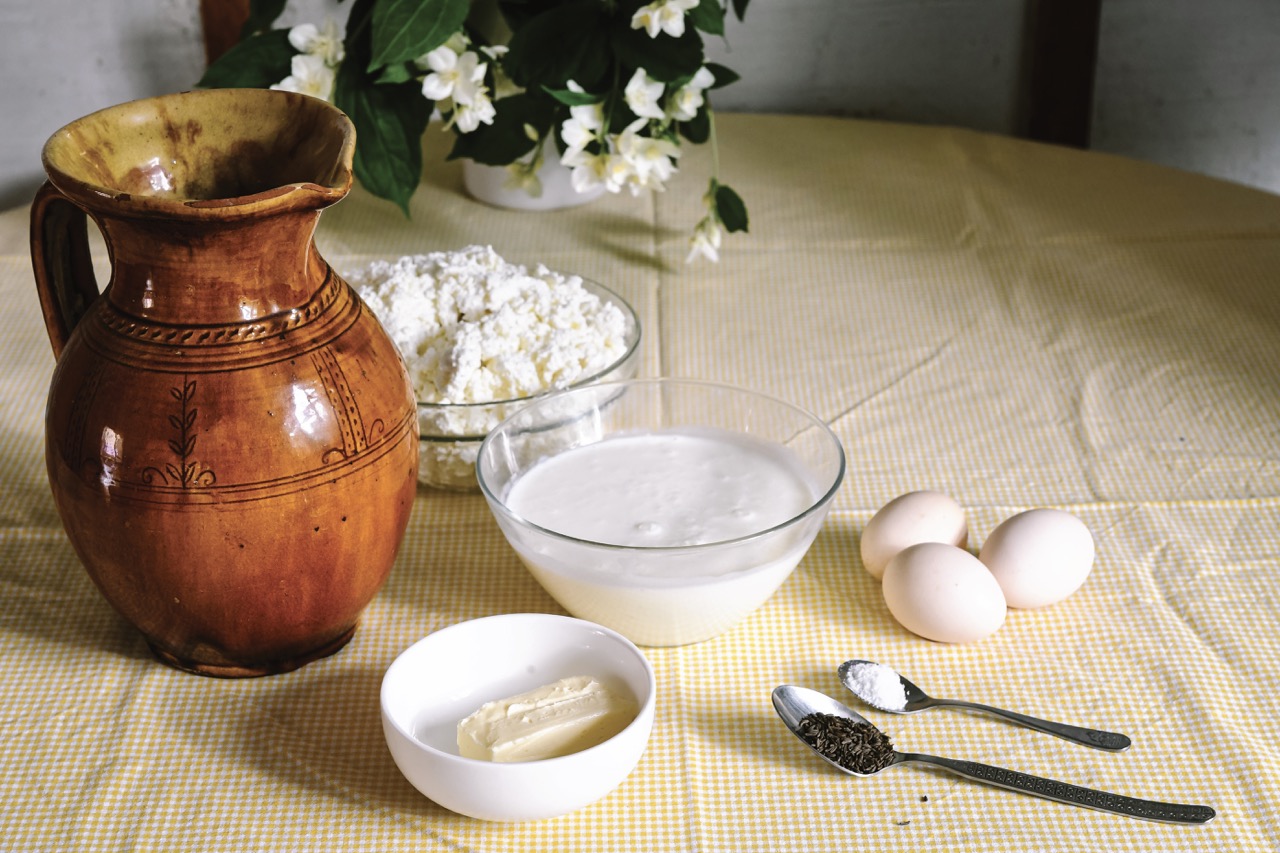
Andris himself became interested in making Jāņu siers after his grandmother passed away. Wanting to revive the family tradition, he discovered that Andris Leja had once learned how to make Jāņu siers from his grandmother Gaida, and had taken over making it for the Sidrabene Midsummer celebrations. So Andris turned to his namesake to learn how to make Jāņu siers himself and bring the skill back to his family. It turned out that although Andris Leja had learned the process from Gaida, her exact recipe had been lost over the years.
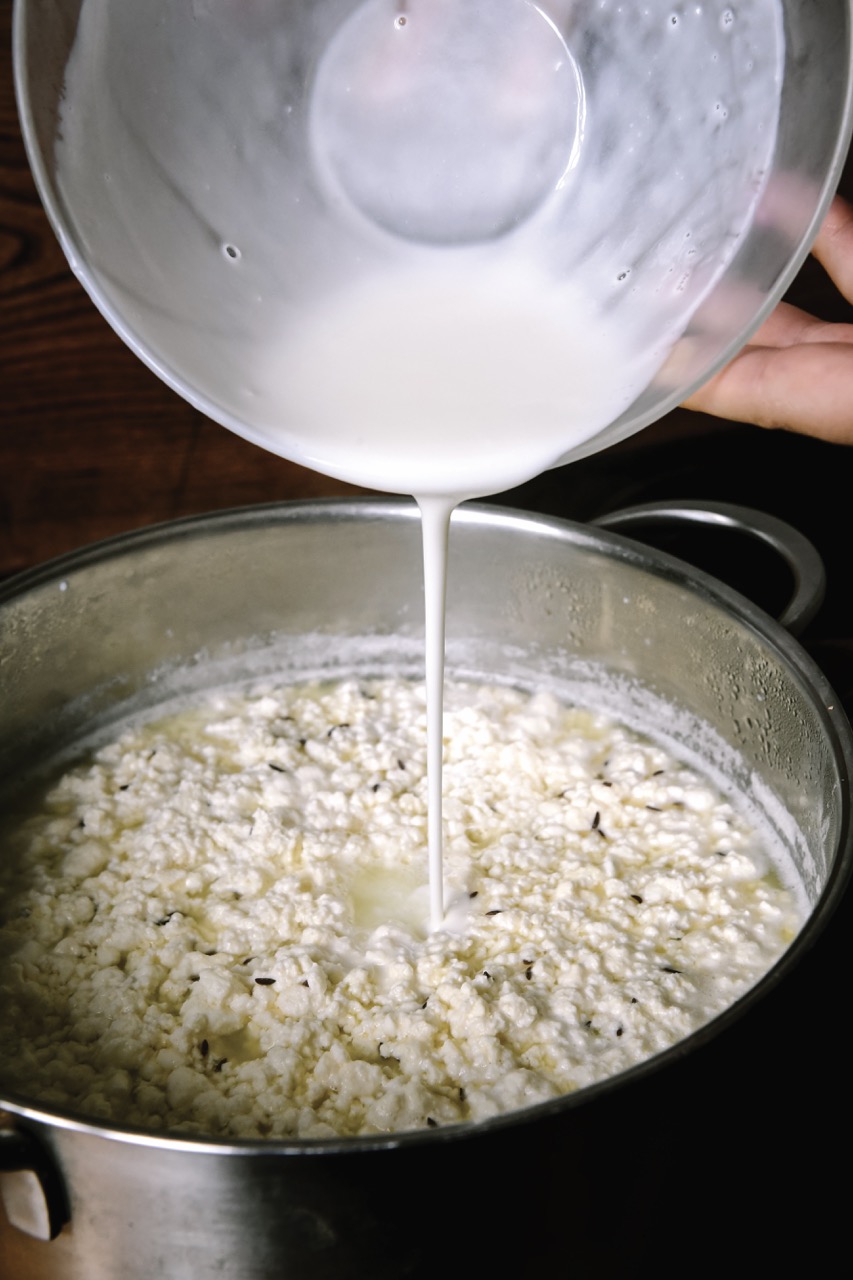
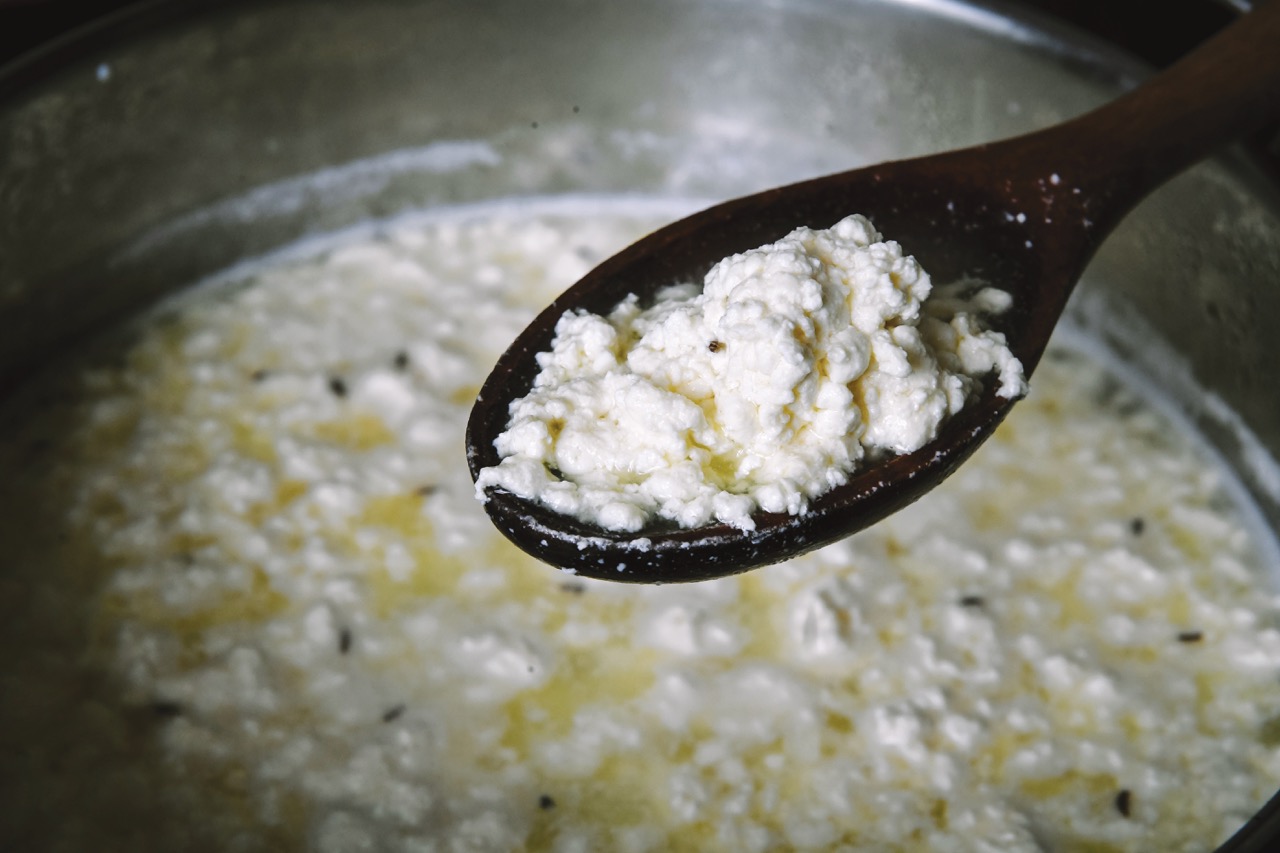
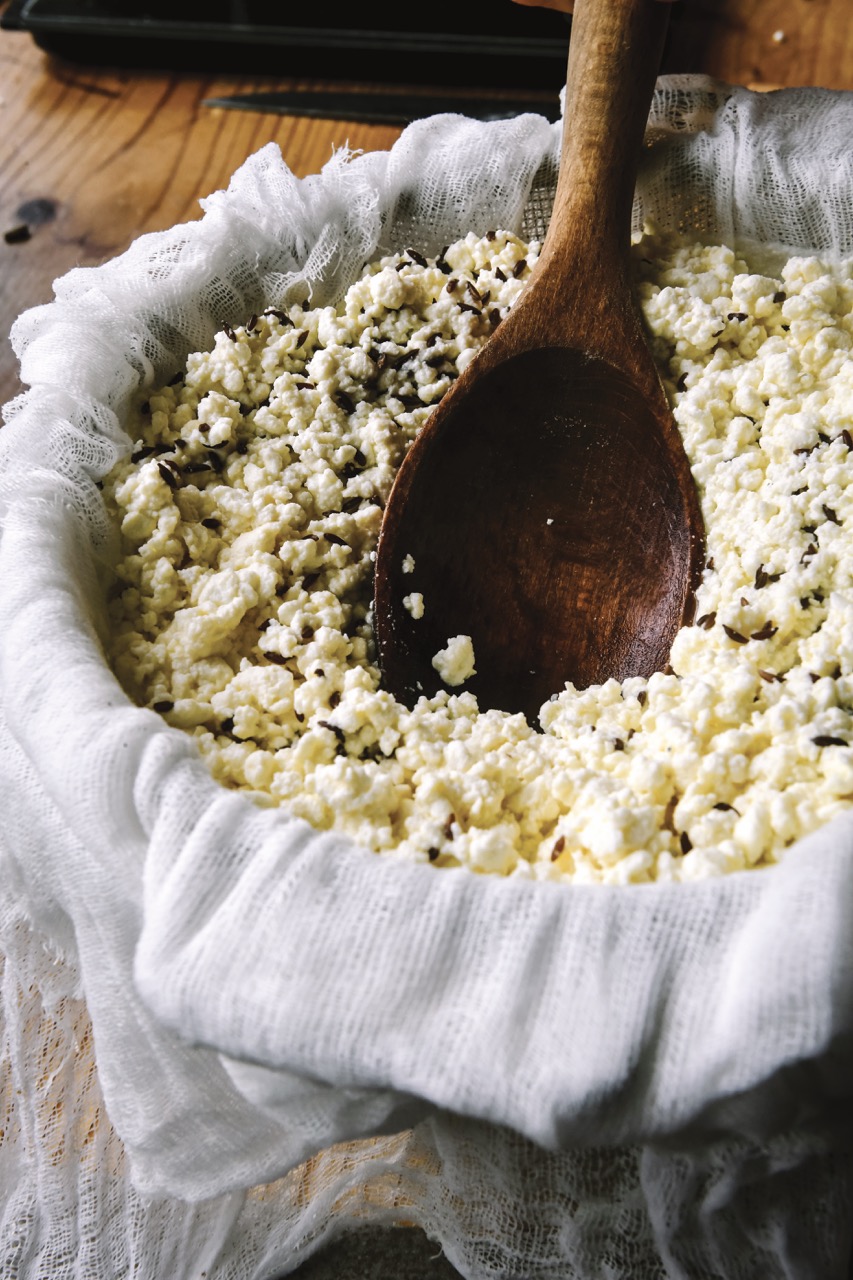
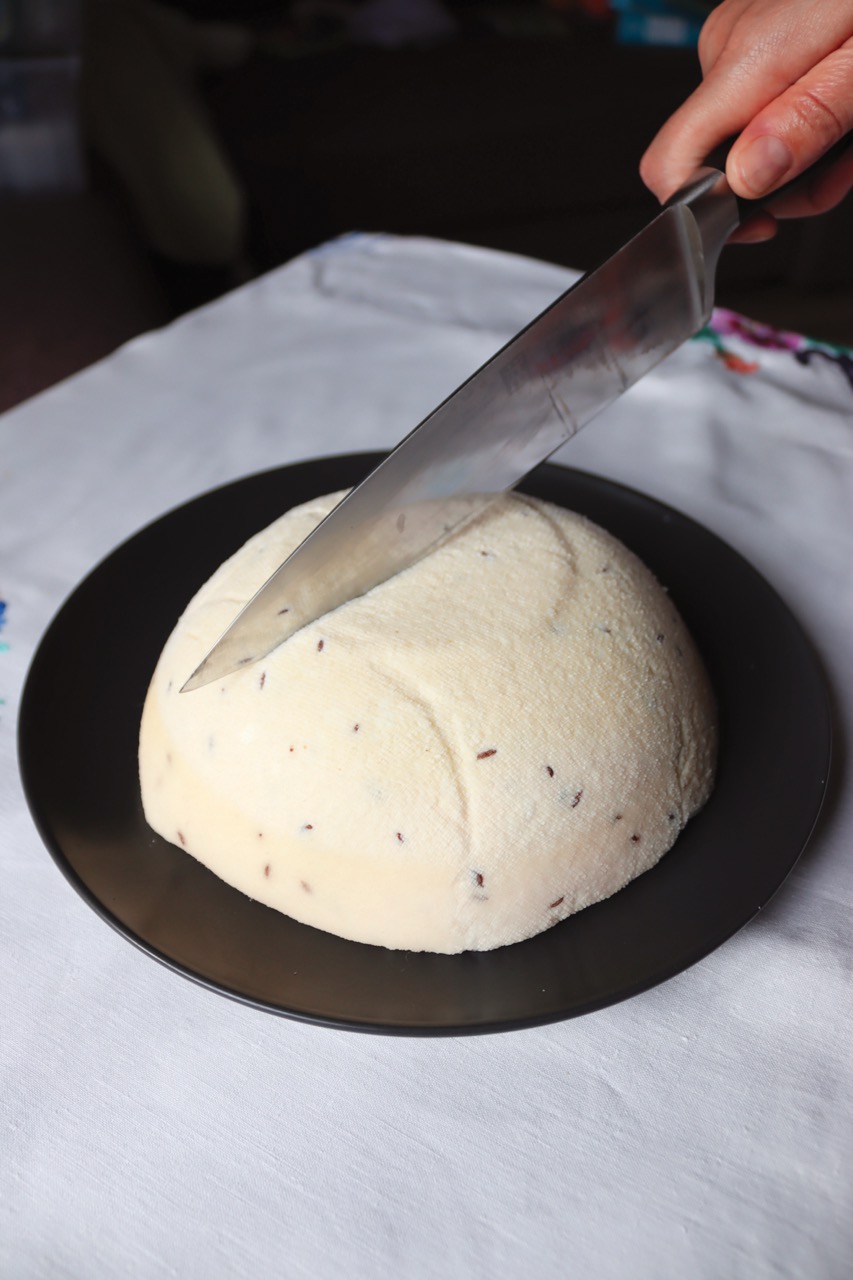
When the two men, along with several volunteer helpers, organised a Jāņu siers-making bee (talka) in Sidrabene in 2025, they used a recipe from the book Latvian Cooking. “Last year went really well for us; we made 4–5 wheels totalling 2 kg of Jāņu siers! It was faster than we thought! We will repeat the Jāņu siers-making bee this year too, and hopefully, it becomes a new Sidrabene tradition. Last year our Jāņu siers turned out great, and of course, we built great community spirit, too!” says Andris.
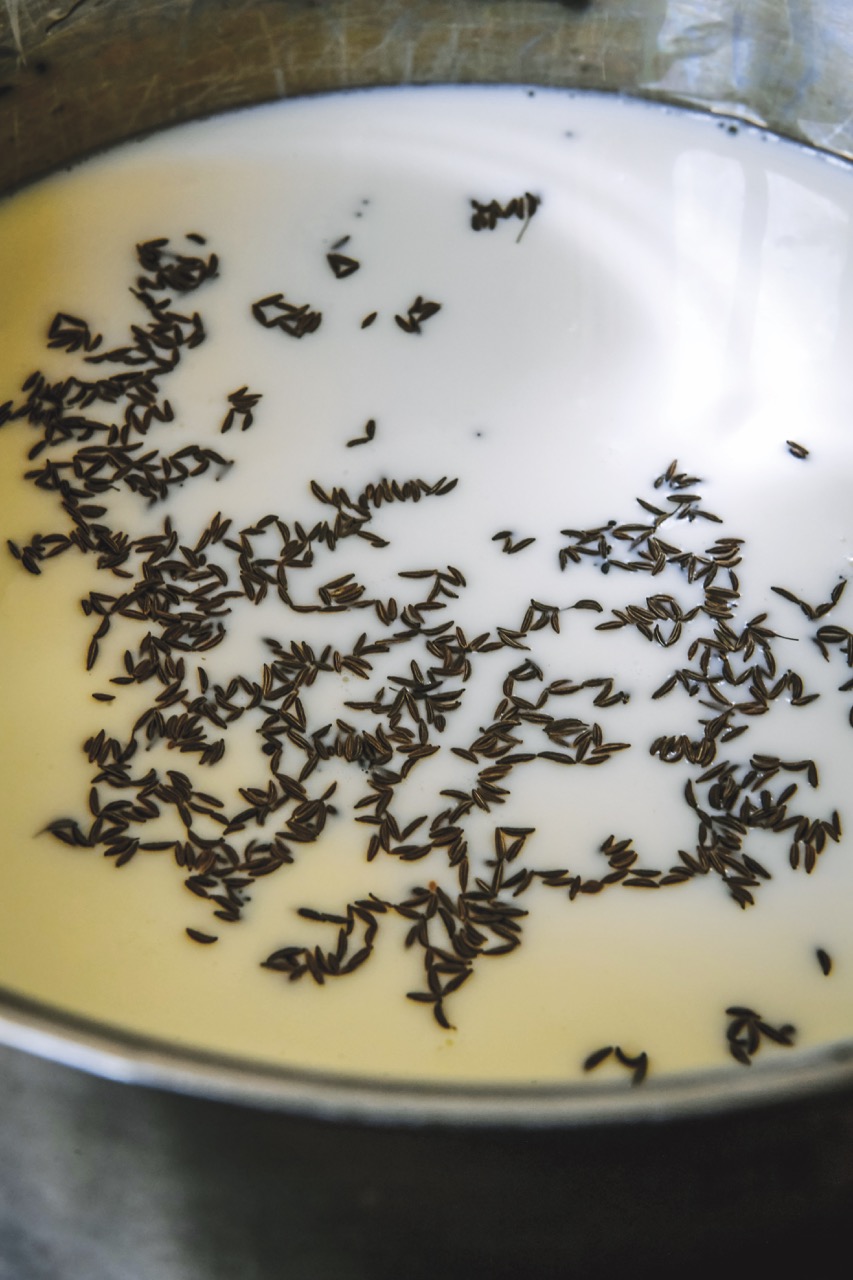
Andris emphasises that the most important part of making Jāņu siers is not just the ingredients, but understanding the process itself and watching closely so that the whey separates properly and the cheese curds achieve the right consistency.