INGREDIENTS
1.5 kg white fish fillet (cod, haddock, hake, tilapia, etc.)
Wheat flour for dredging fish
3–4 eggs, beaten
Oil for frying fish (as needed)
SAUCE
1.5 kg passata (strained tomato puree)
2 tbsp sugar
1 tsp salt
2 bay leaves
1 tbsp lemon juice
2 large onions, sliced
~100 g butter for sautéing the onion
PREPARATION
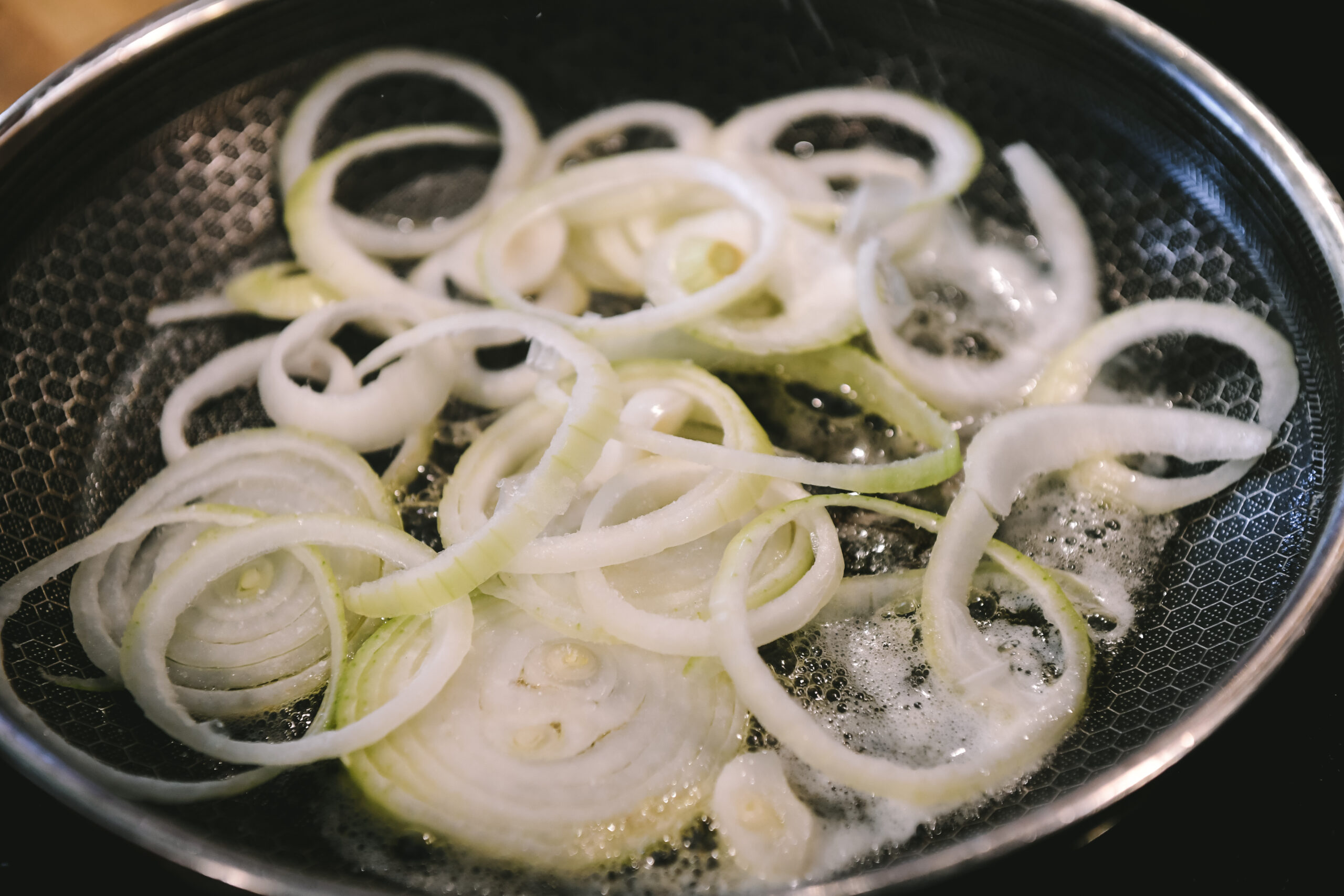
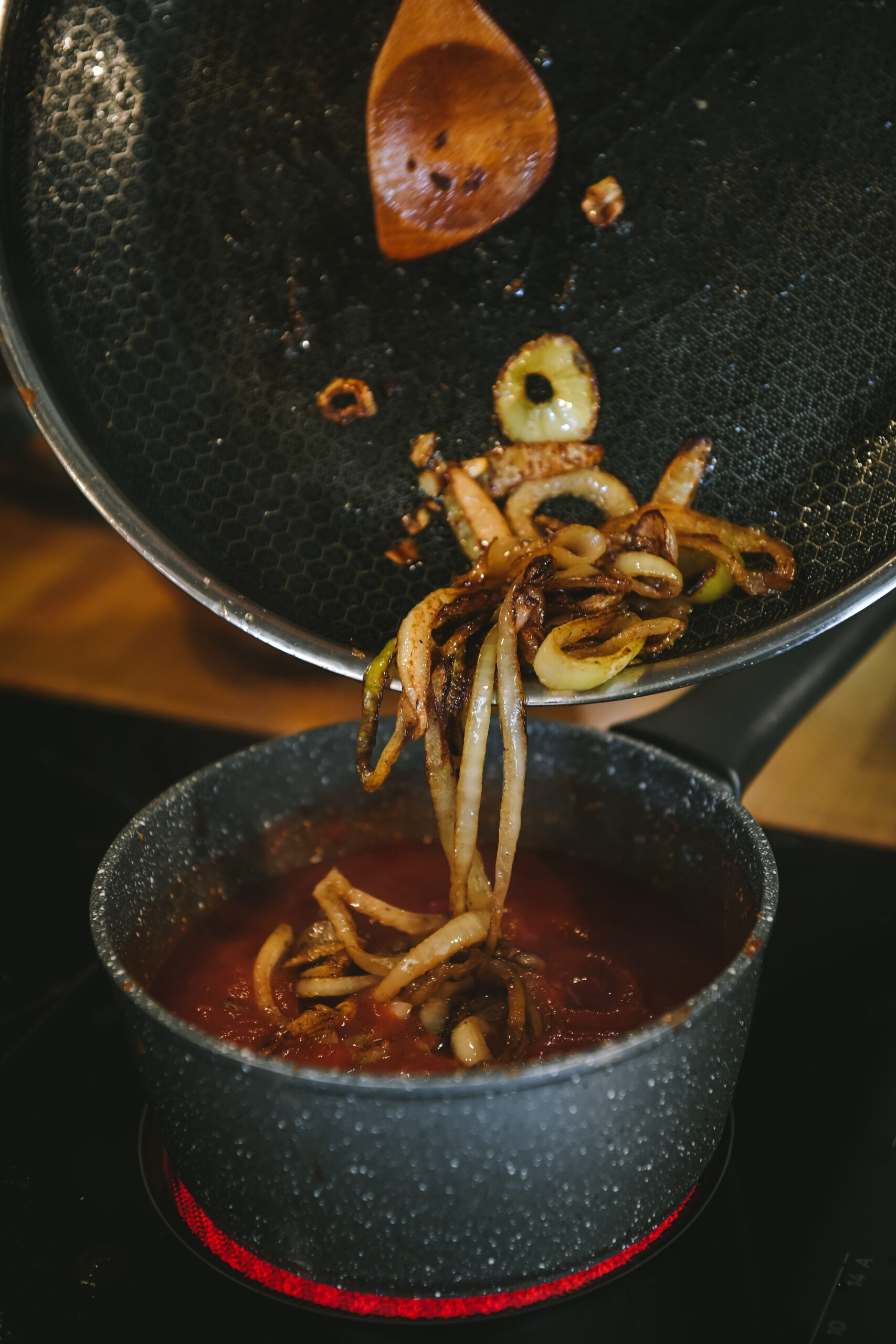
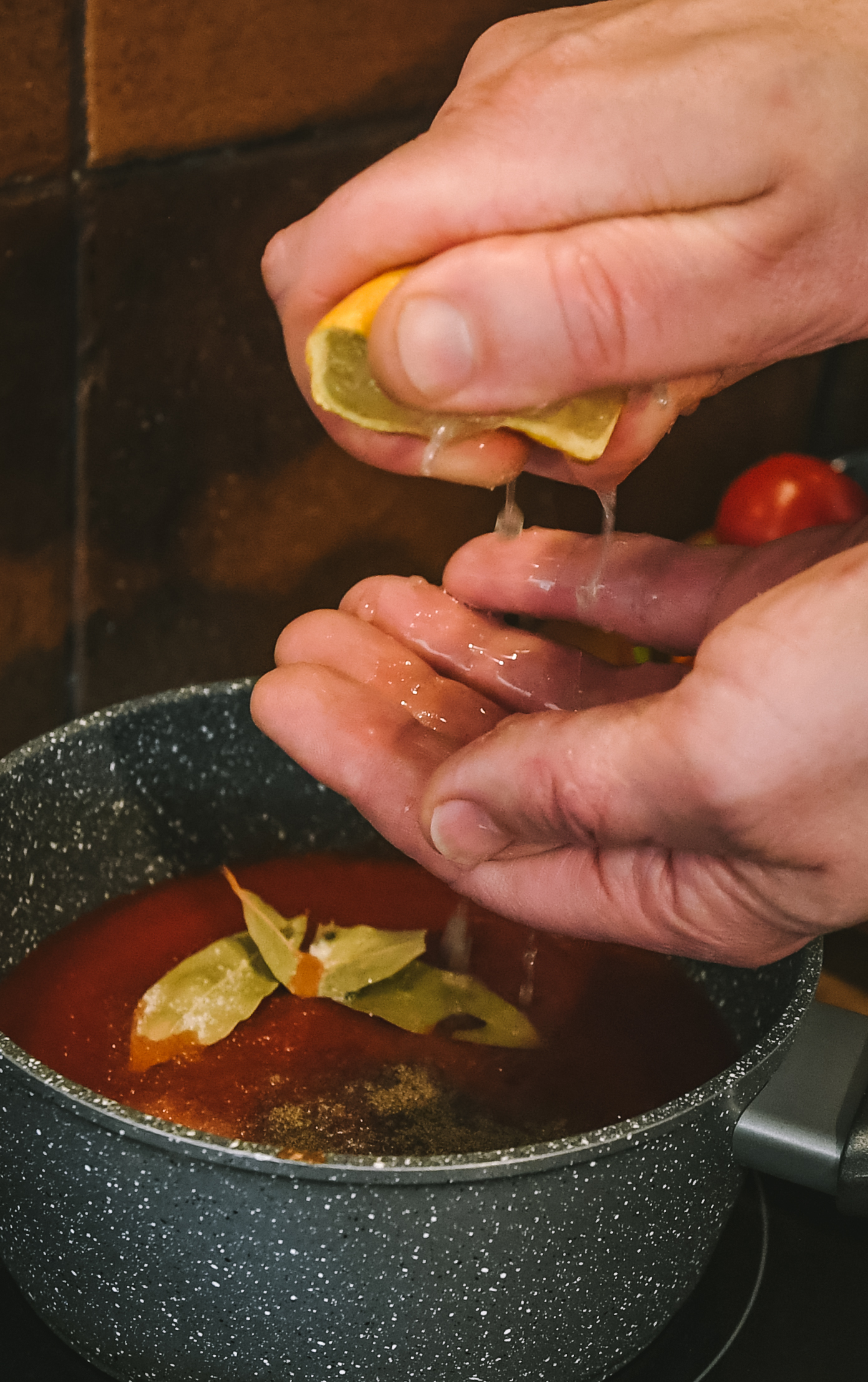
1. Peel and slice the onion into thin rings; cook slowly in a pot with melted butter until soft and translucent. Add the tomato puree, lemon juice, sugar, salt, and bay leaf, and bring to a boil.
2. Continue to simmer the sauce gently, stirring frequently and taking care not to let it burn. The sauce will gradually thicken; its flavour should be gently sweet and balanced. Allow to cool.
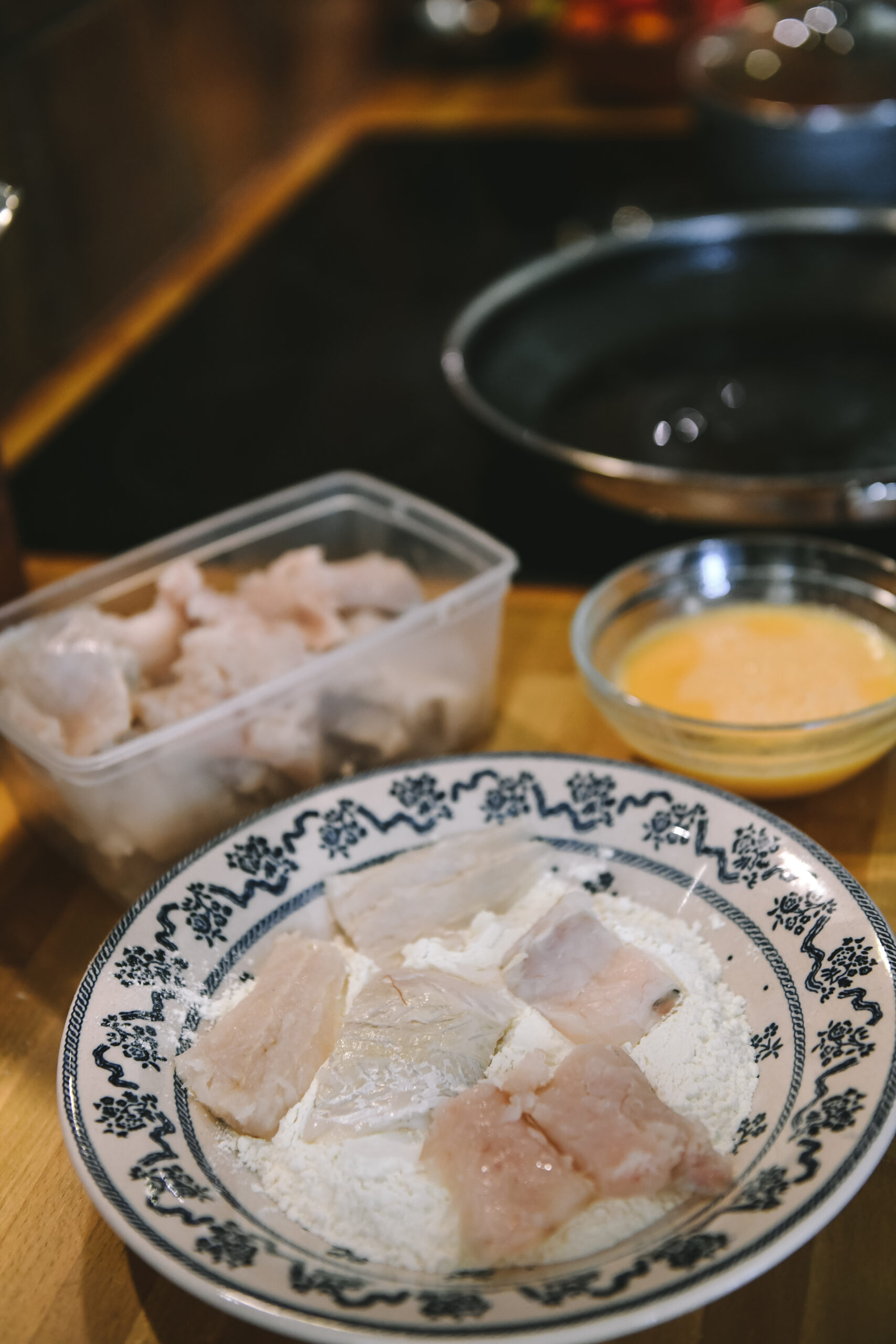
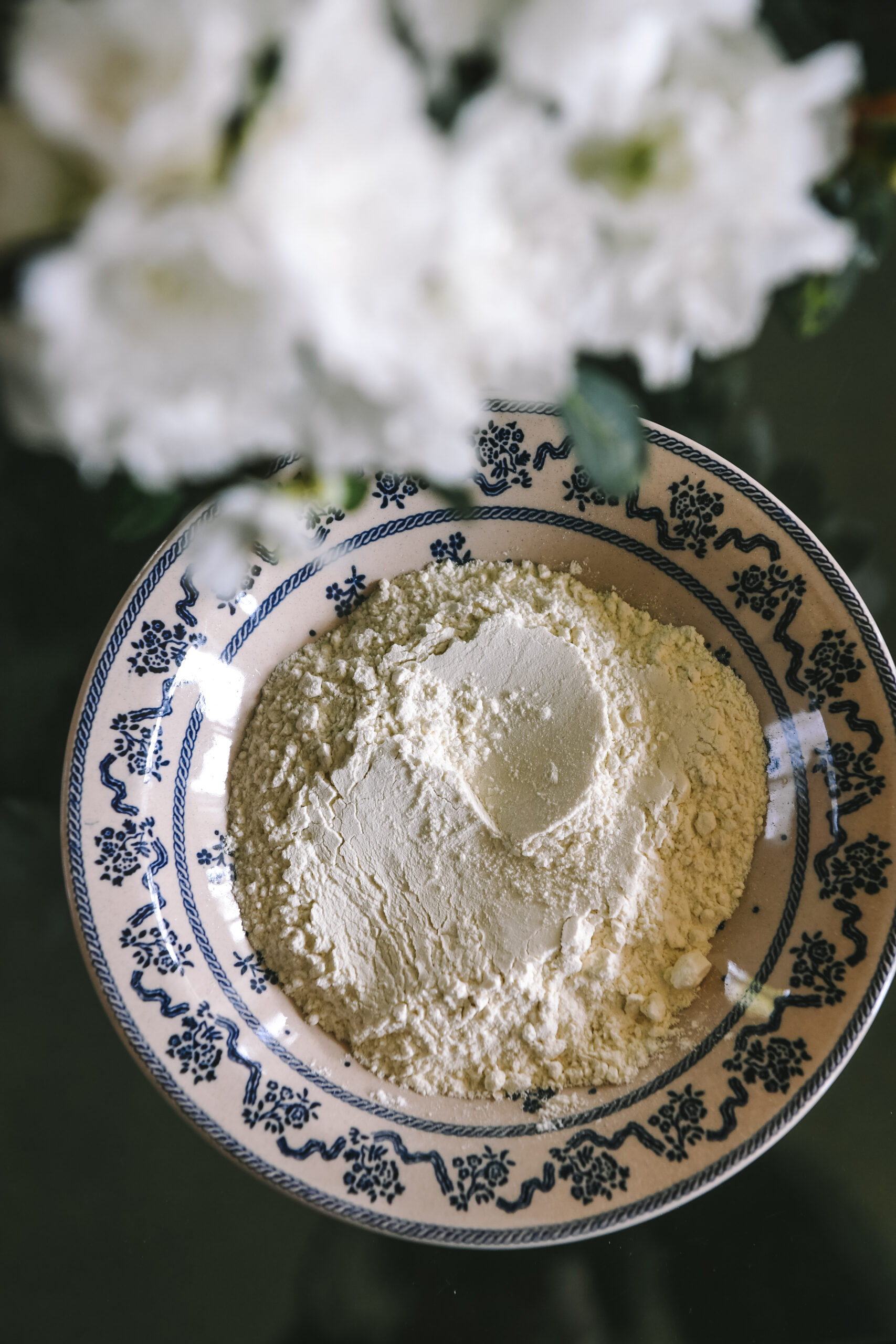
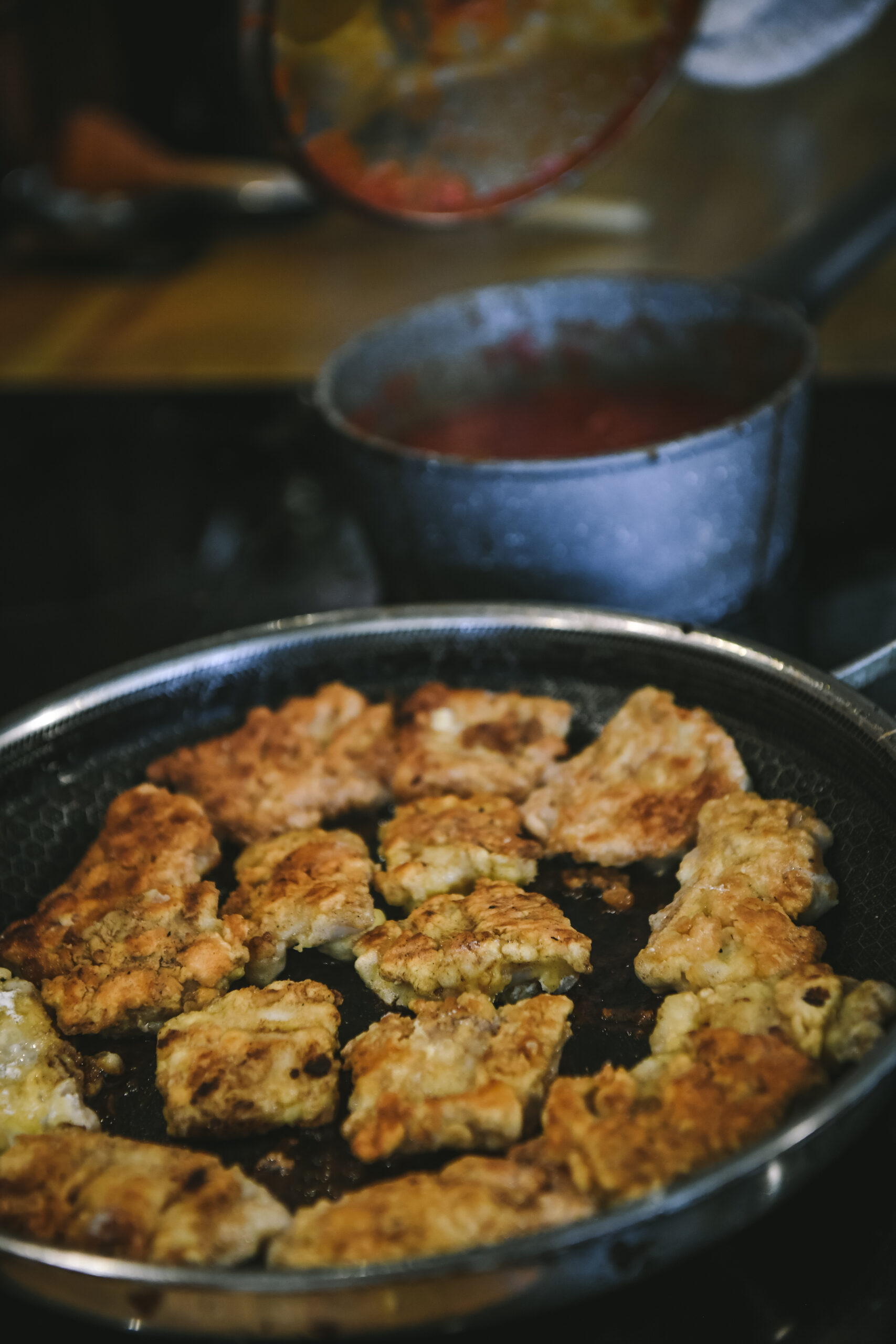
3. While the sauce is cooking, cut the fish fillet into smaller pieces, beat the egg, and pour the flour into a shallow dish. Dredge each piece of fish in flour, dip in egg, coat in flour once more, and fry in hot oil in a skillet until golden brown and fully cooked. Remove from the pan and let cool.
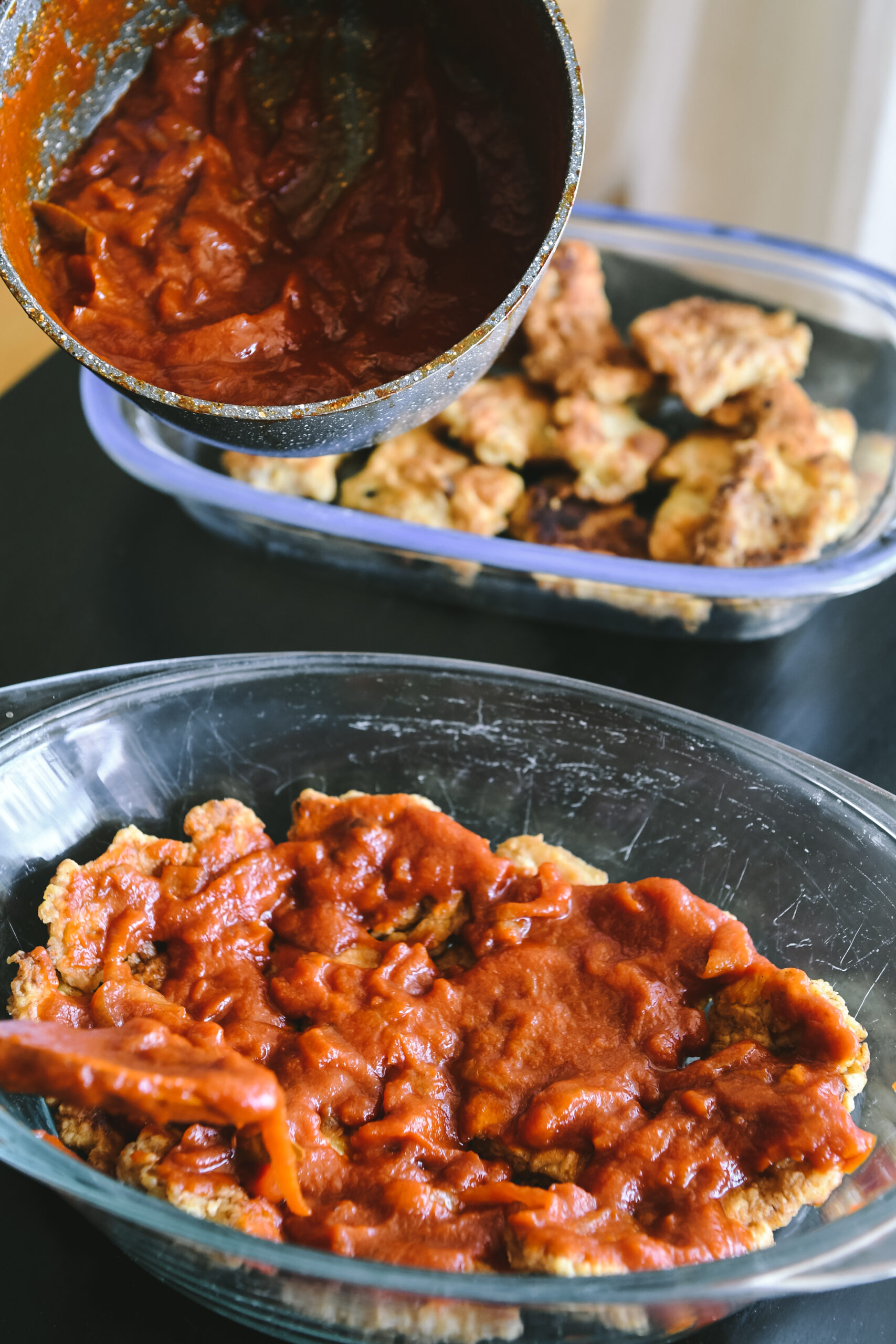
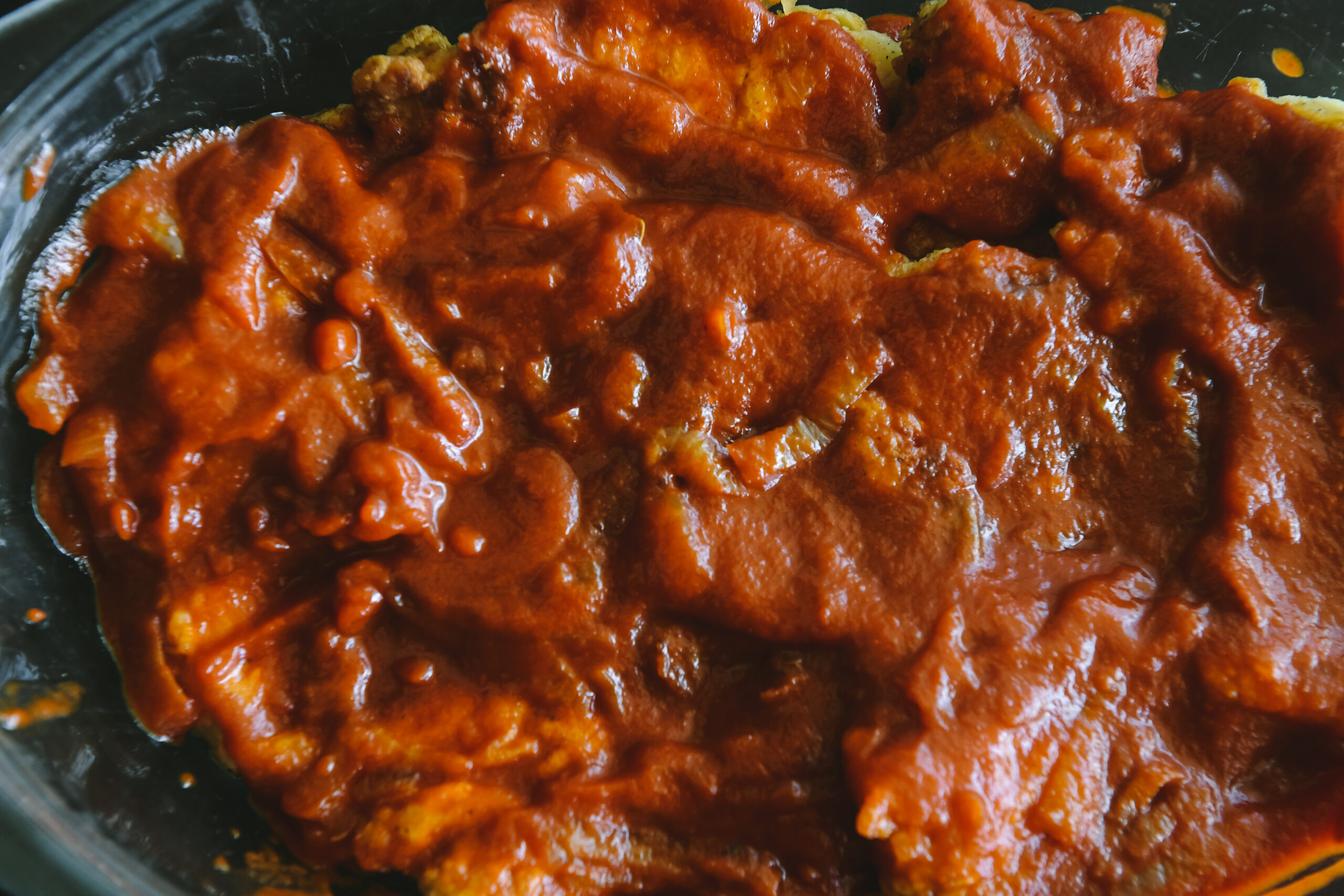
4. Pour some of the prepared tomato sauce into a large shallow dish to cover the bottom. Arrange the fried fish pieces in a single layer over the sauce. Pour the rest of the sauce over the fish so that it is completely covered. Cover the dish and place it in the refrigerator to marinate. It will be ready to serve the next day – cold or at room temperature.
NOTE FROM THE MUSEUM KITCHEN
This recipe is intended for a larger number of people. Reduce the quantities of the ingredients proportionally if you wish to prepare a smaller amount of fish.
Photo: Elīna Kursīte