

- Visi
- Argentina
- Audio
- Australia
- Bashkortostan
- Books
- Brazil
- Bread
- Cabbage
- Canada
- Catering
- China
- Costa Rica
- Cucumber
- Denmark
- Fermentation
- Festive table
- Germany
- Hostesses
- Italy
- Mushrooms
- New Zealand
- Norway
- Photo
- Piparkūkas
- Pīrāgi
- Quote
- Recipe
- Romania
- Soup
- Story
- Switzerland
- Uncategorized
- United Kingdom
- USA
- Video
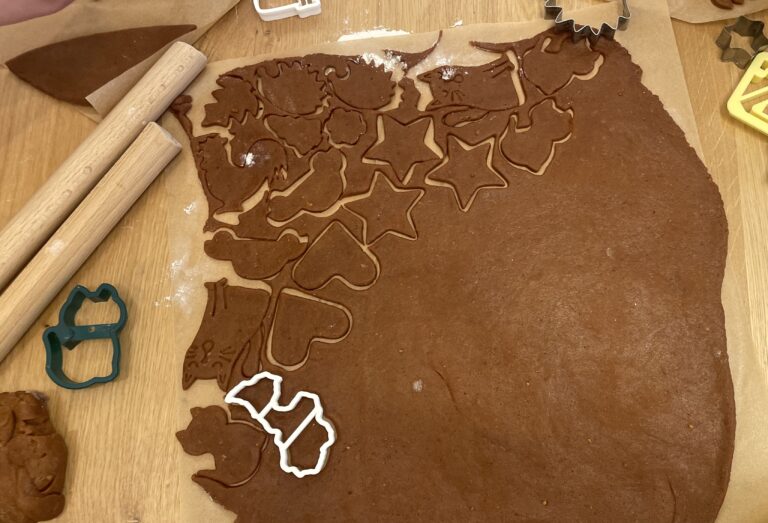
Laura: My husband, while learning Latvian, tried to say speķa pīrāgi (bacon buns), but it just wouldn’t come out right, and the best he managed in the end was — piranhas.
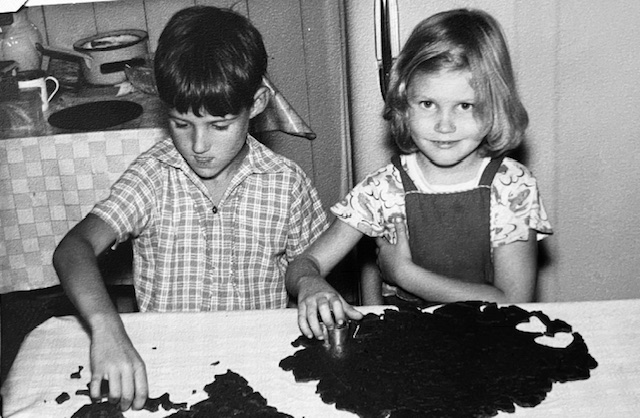
My mother Lauma taught me to make piparkukas when I was a little girl, and I still make them now that I am 75. I was born in Brisbane, Australia, in December 1950, and lived there all my life until moving 100km north to the Sunshine Coast in 2016. I still use my mother’s piparkuka recipe, with only a couple of variations. Where my mother used Golden Syrup,...
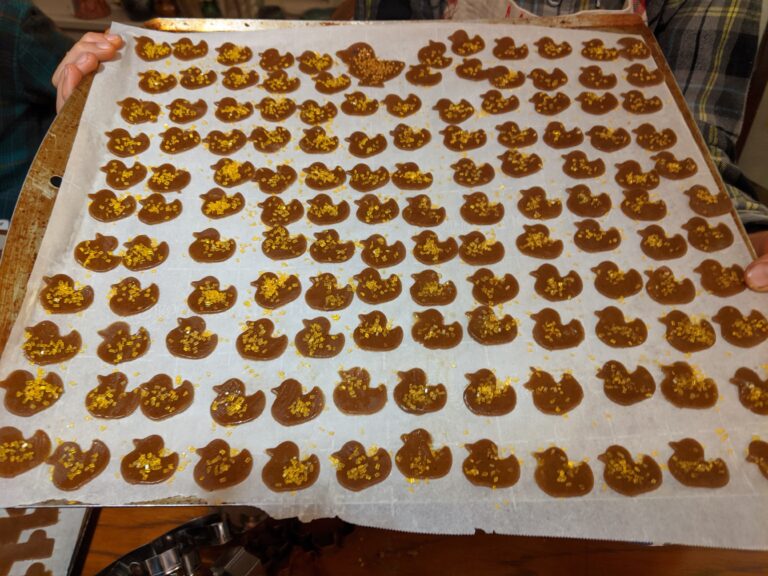
Watch how a piparkūku working bee takes place at the Latvian School of Chicago! Participants share their experiences, the meaning and importance of piparkūkas, as well as what they like most about piparkūkas...
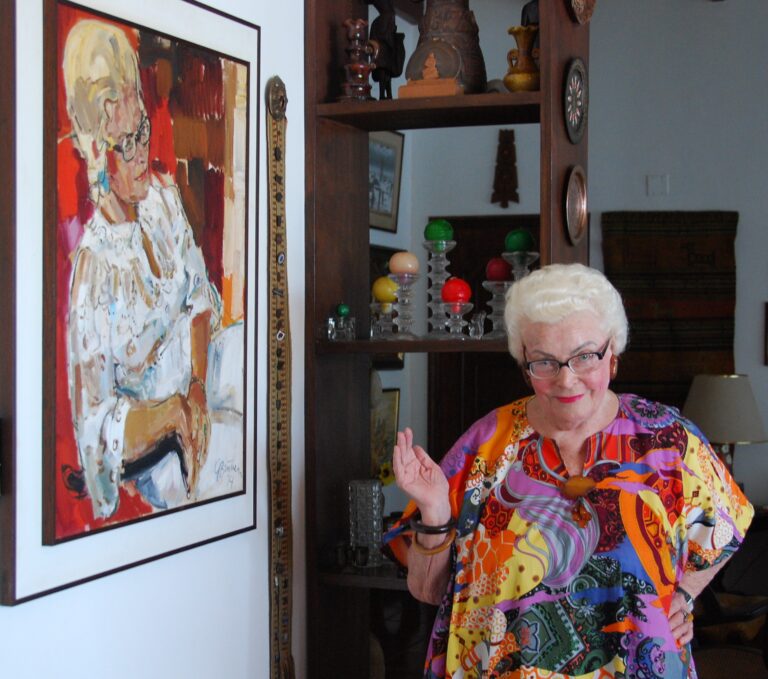
Dzidra Ādamsone writes about her pīrāgi recipe in an email in 2003.
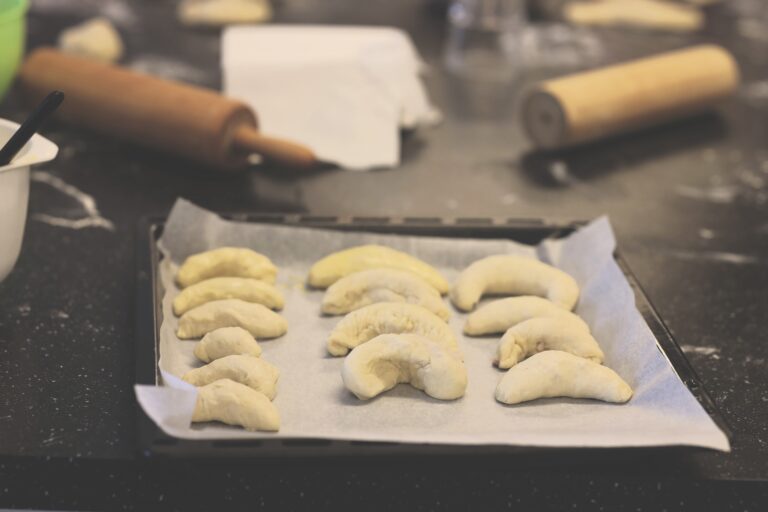
This album features photographs of pirāgi making in various corners of the world and across different periods of time.
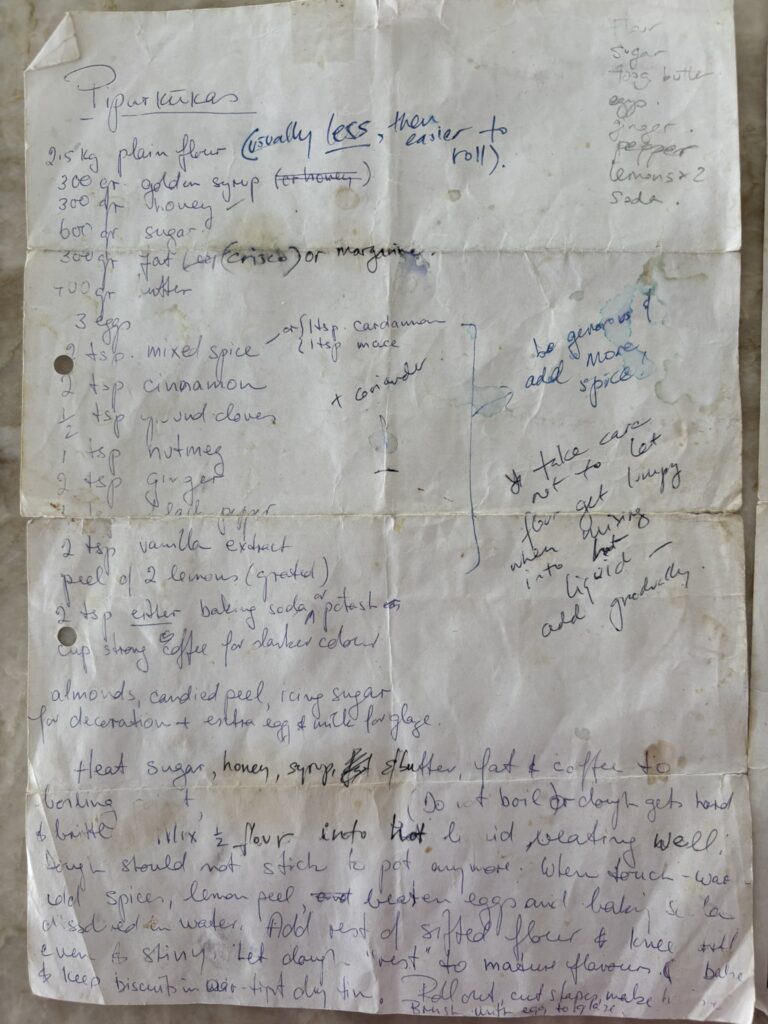
Ilma explains: “The basis of the recipe comes from M. Krone-Balduma’s cookbook Everyday and Holiday Table: A Handbook for the Latvian Homemaker (Daugava: Stockholm, 1956). My mother received that book as a gift from her own mother for Christmas in 1964 (my parents’ first Christmas as a married couple). We don’t follow the recipe to the letter and we change a few things (what kind of fat to...
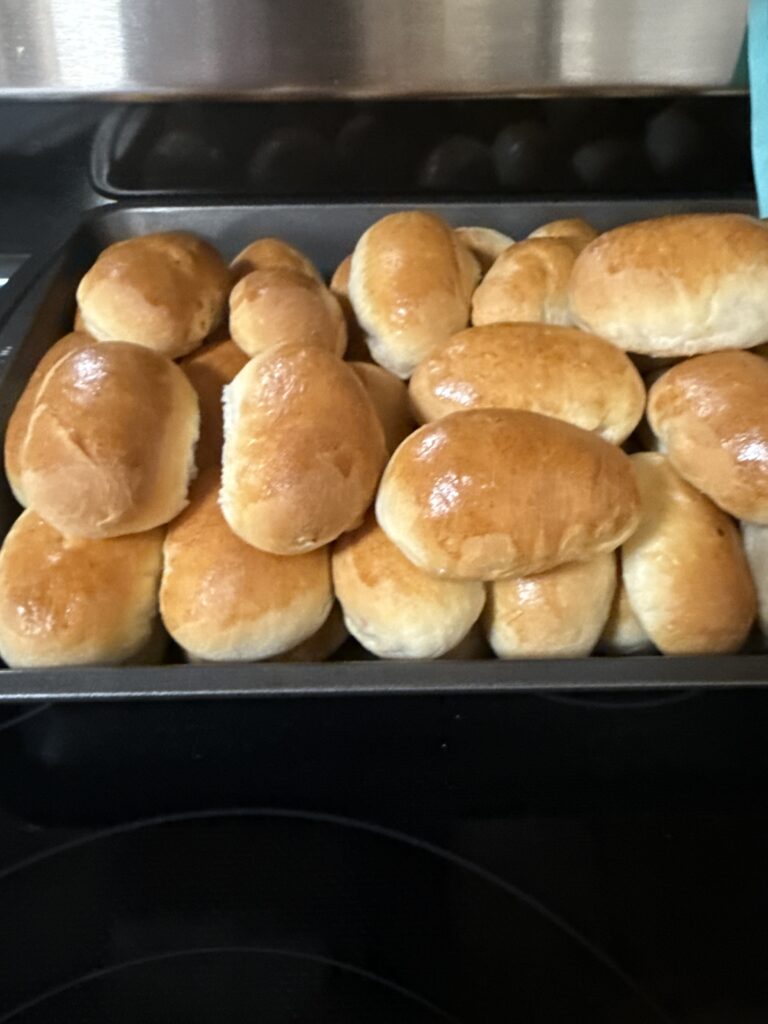
Dace and Inta talk about baking pīrāgi, sending them by mail, and the different fillings they make.
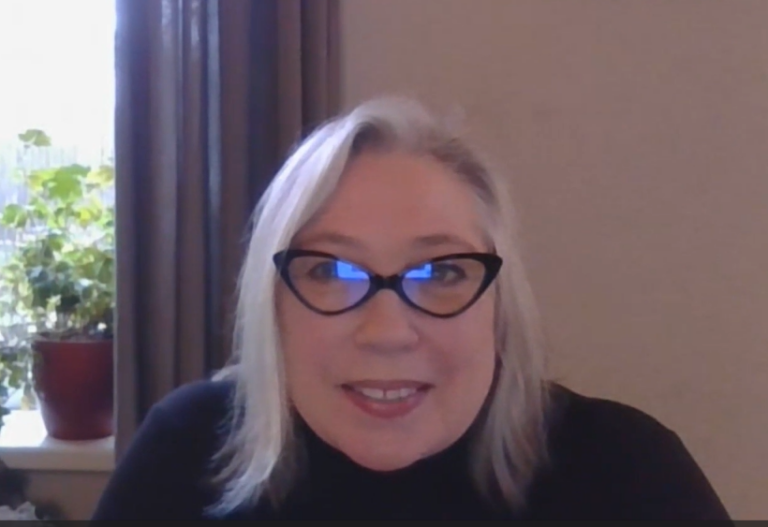
The pīrāgi recipe that Māra Goldsmith uses every year when baking pīŗāgi for Christmas was passed down to her by Mrs. Arnoldija in Sydney. In this interview, Māra talks about a special trick that makes the dough magical. According to her, it is exactly this that allows you to bake the most delicious pīrāgi in the world!
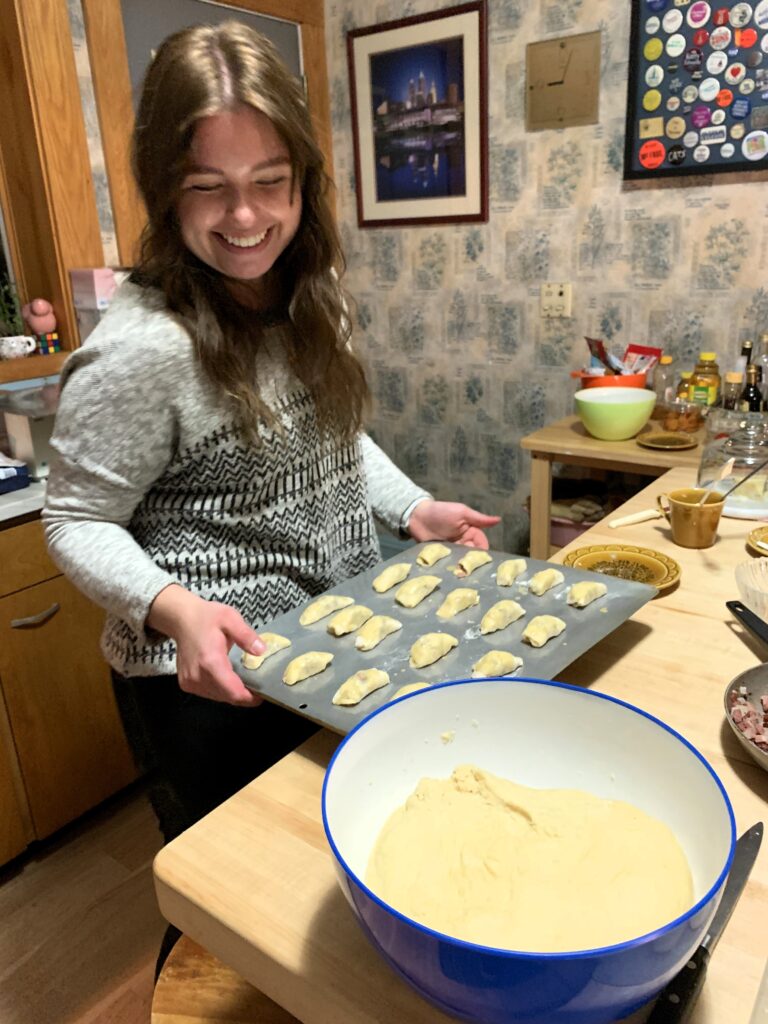
For as long as I can remember, pīrāgi held a place of honor at the Christmas table, and also at Easter. The necessary ingredients were not always easy to find, but my mother made sure to get them in time. In Cleveland, she had discovered a stall at the Westside Market, where she would go after work on Fridays. Her pīrāgi were not only delicious, but she always...
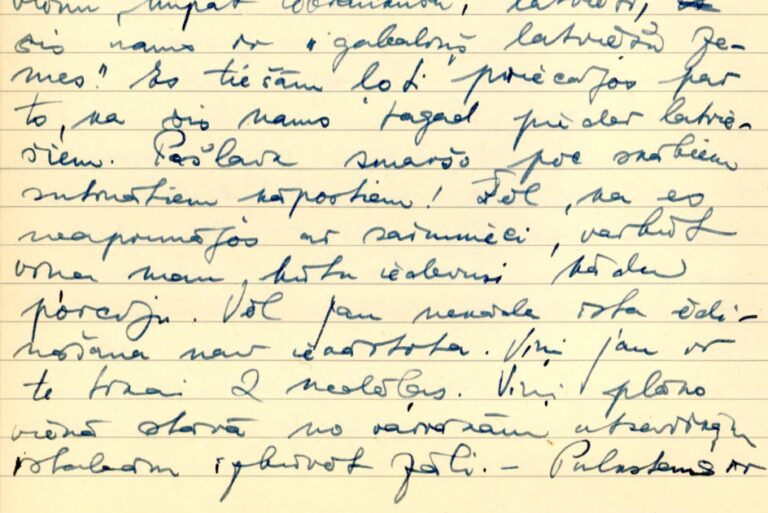
Juris Sinka arrived in the United Kingdom in 1950, where he studied at the University of Oxford. In his diary entry of December 20, 1950, Juris describes how the smell of cabbage filled the recently purchased Daugavas Vanagi house in Queensborough Terrace: ‘I am truly very glad that this house now belongs to Latvians. At the moment it smells of braised sauerkraut! It’s a pity I didn’t talk...
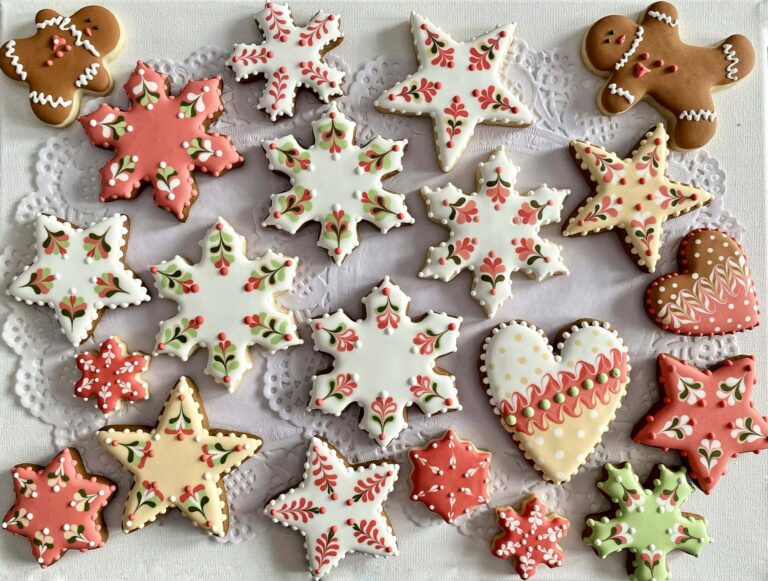
Anita writes: "After seeing some videos of cookies being decorated I was intrigued. That was seven years ago and since then I have decorated many cookies. My sense of design for my cookies might be attributed to my years of embroidery, specifically Latvian designs. My piparkukas are different from my mom’s, hers were rolled very thinly and glazed with egg yolk. I recall when my mother would come...
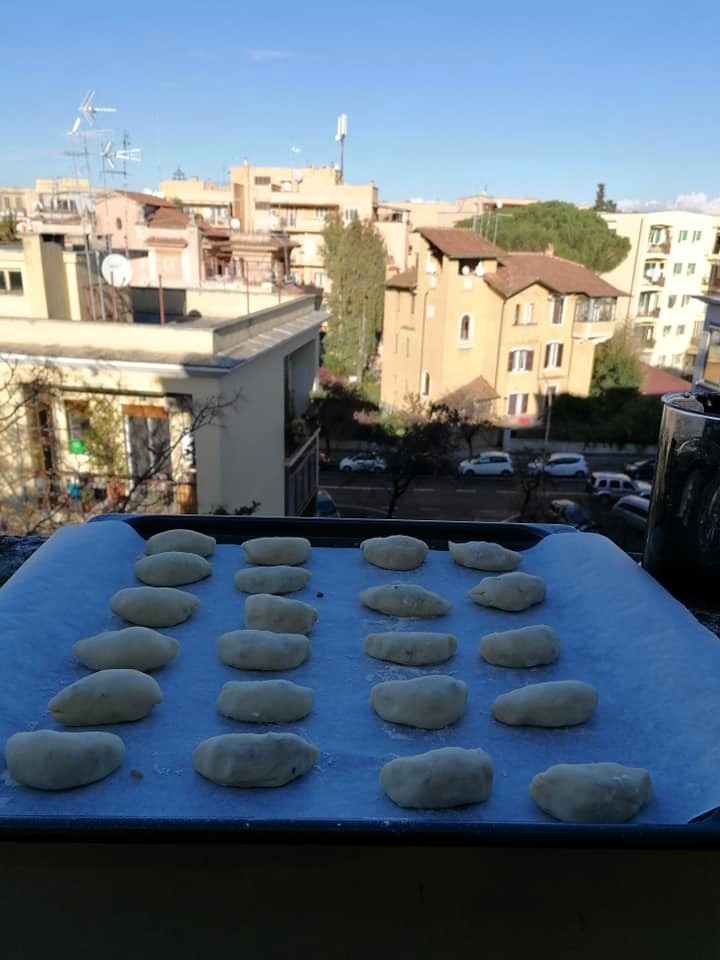
Austra Muižniece tells about baking Oma’s pīŗagi in Rome: “They turn out quite well, but for me the dough made with Italian tipo 00 flour tastes a bit sweeter. I didn’t have caraway seeds, and pancetta or guanciale are different from our smoked meats. But at least the yeast worked perfectly — the dough rose beautifully, which made me happy. Complete nostalgia, feels like grandma’s food.”