

A Whole Salmon Covered in Cucumber Slices (Elisa Freimanis)
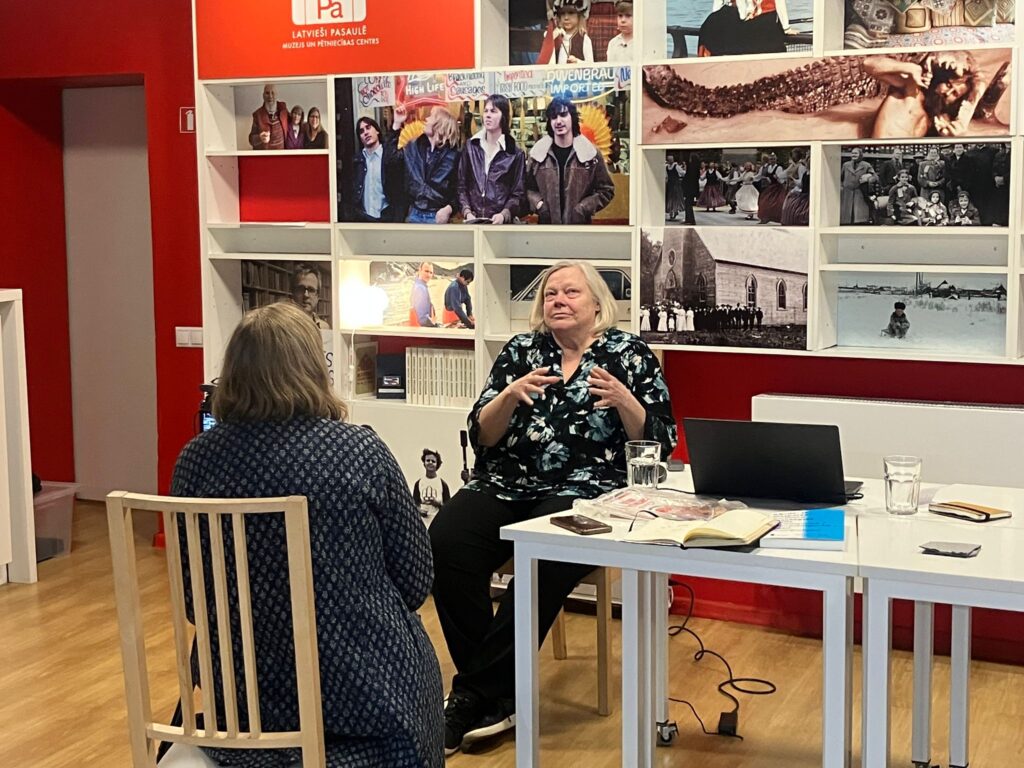
Elisa Freimanis’s mother was one of the DIMD ladies — four close friends and excellent hostesses who prepared Latvian dishes in Chicago. Elisa remembers how her father smoked fish and other foods for them. She also talks about the special fish recipe that was always served on the cold buffet table at large celebrations.
Kristapsons Smoked Salmon
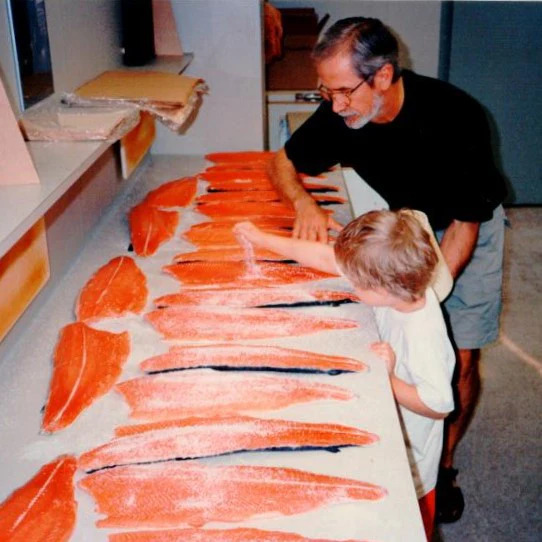
Ādolfs Kristapsons (1908–2010), after arriving in Canada as a refugee, opened his own shop in 1953.
“Kundziņš” Rasols (Inta Gertners)
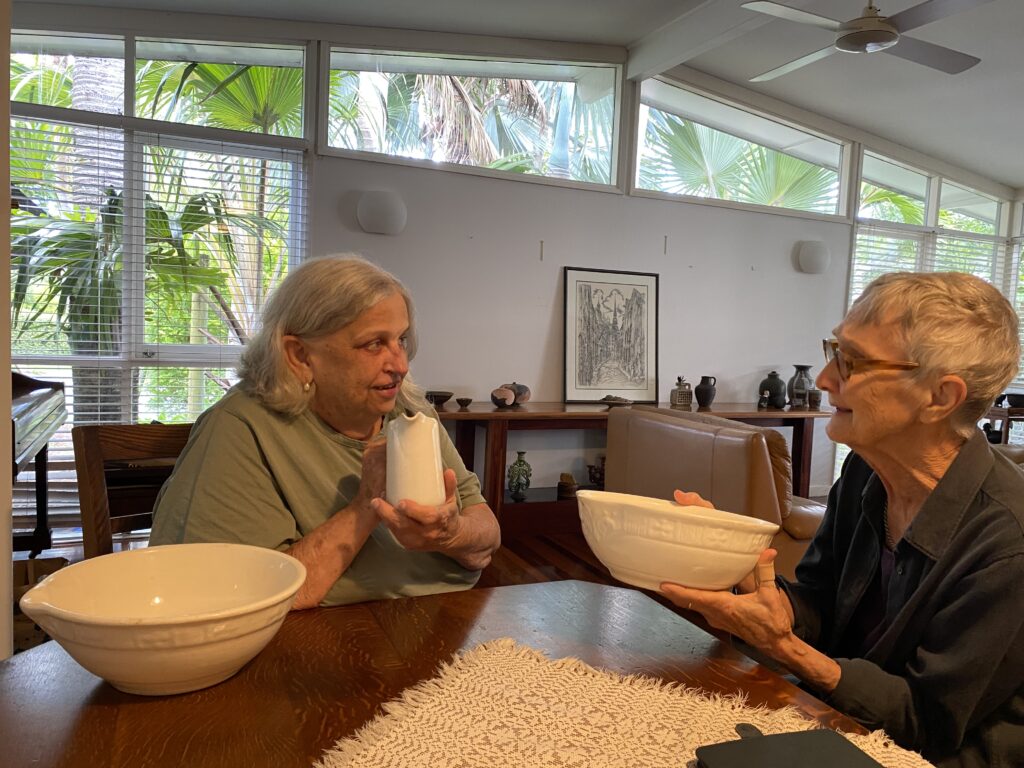
In Inta Gertners’ family, there is a very unusual rasols recipe that she inherited from her grandmother, Milda Veidis (b. 1901).
Aspic From a Sour Cream Container (Selga un Edgars Apse)
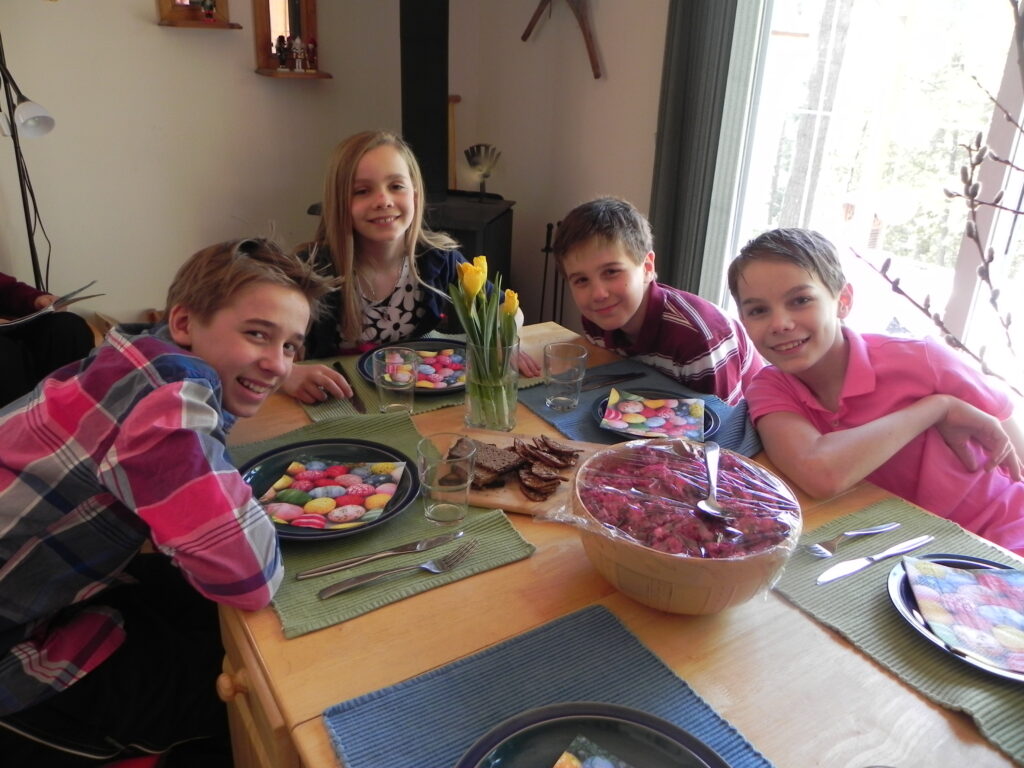
Selga and Edgars share their family’s rasols recipes. Edgars also talks about the aspic and cold buffet at the Latvian Centre in Toronto, as it was during the time he worked there as a catering staff member.
I Even Had a Second Slice! (Ilze Kancāns)
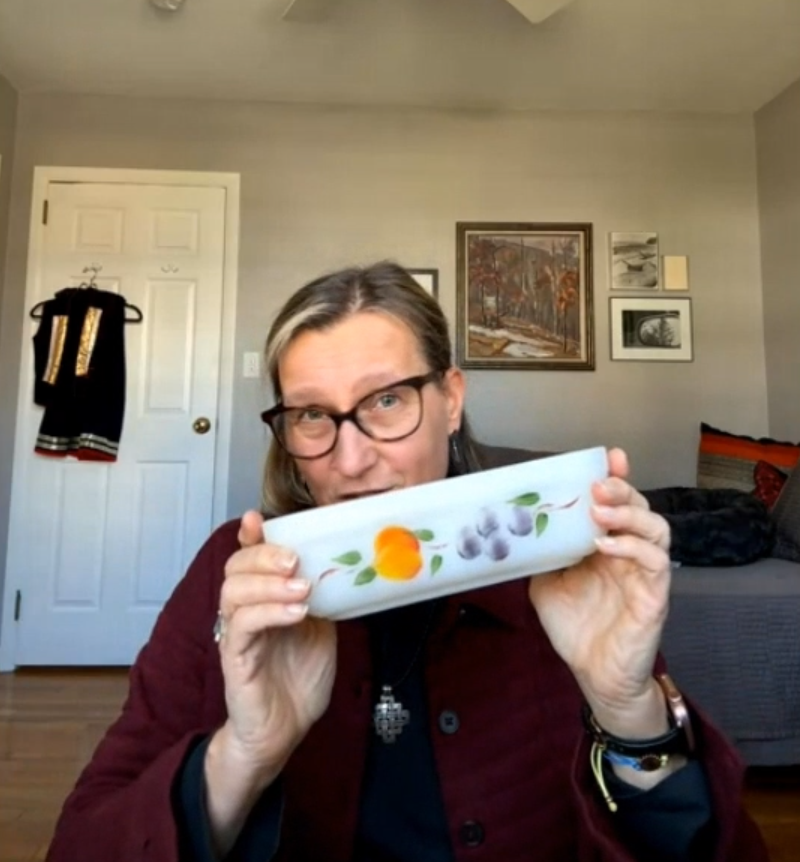
Ilze talks about her mother’s special aspic dish and her memories of the family Christmas table. Although she couldn’t eat aspic as a child, Ilze recently discovered that she now likes it and has decided to try making it next Christmas.
We’re Not Having Rasols?! (Astrīde Cīrule)
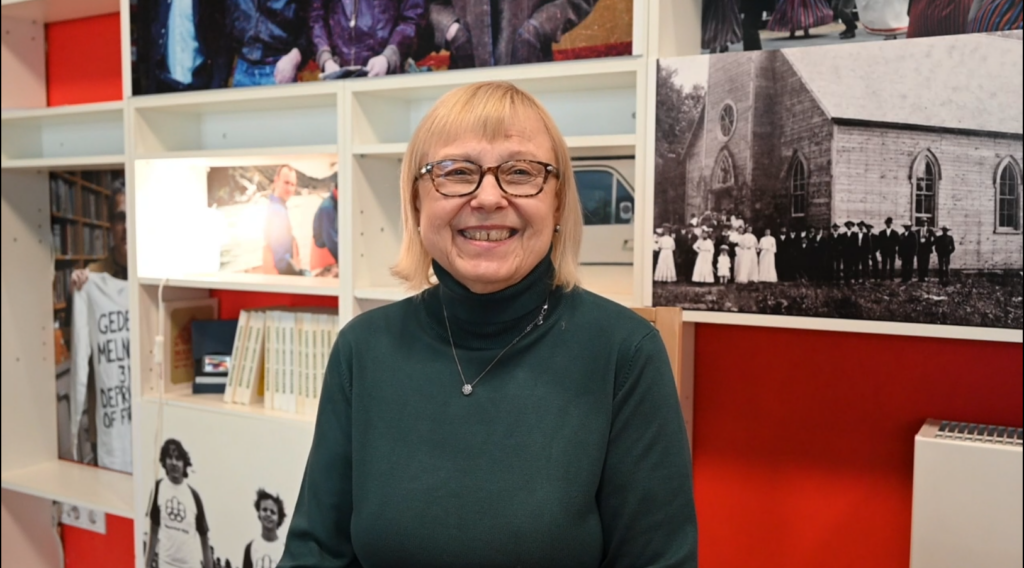
Astrīde Cīrule tells about rasols as an essential addition to her family festive table in the US.
Capers in Rasols Is a Game changer! (Elīna Kursīte)
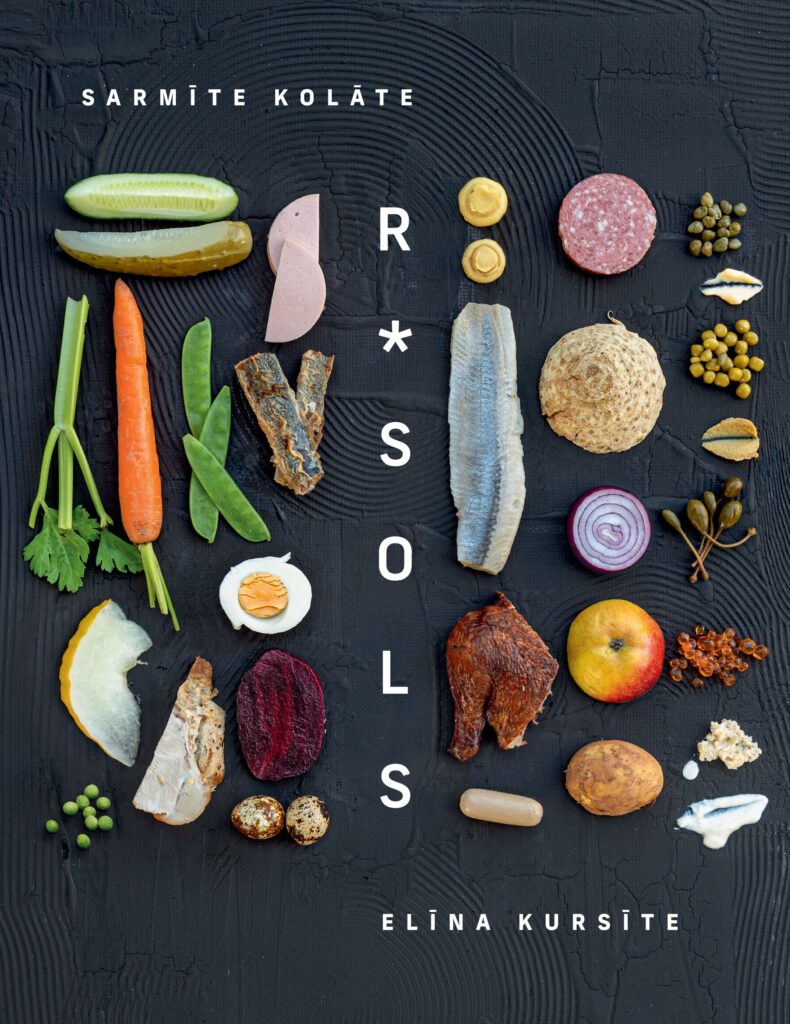
The book “R*SOLS”, by Sarmīte Kolāte and Elīna Kursīte, was launched in Riga in 2014. This informative publication examines rasols from many perspectives. In this interview Elīna Kursīte talks about how the book was created, what ingredients can be put into rasols, and also answers the most important question: rAsols or rOsols?
Our House Smells Like Latvia (Līga Druka-Smalka)
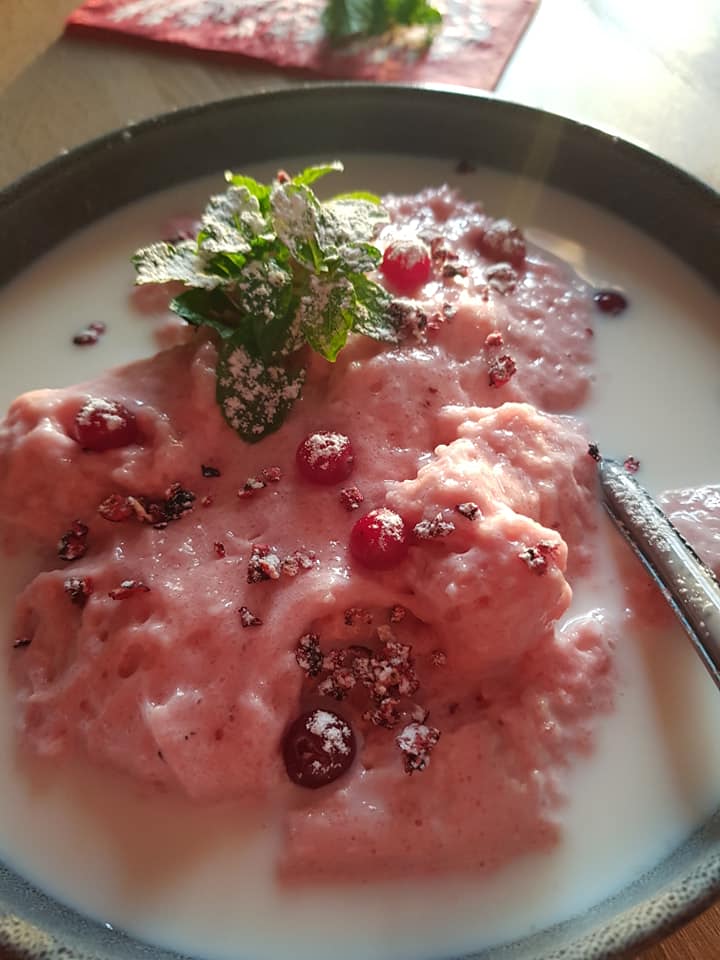
Līga is from Latvia. Before moving to the United Kingdom, she lived in Aizkraukle, a town that is still her second home. Now she lives in Wales, in Cardiff, yet Latvia is always in her heart.
“Debesmanna” in Vanilla Sauce (Silvija Gurtiņš Mežgailis)
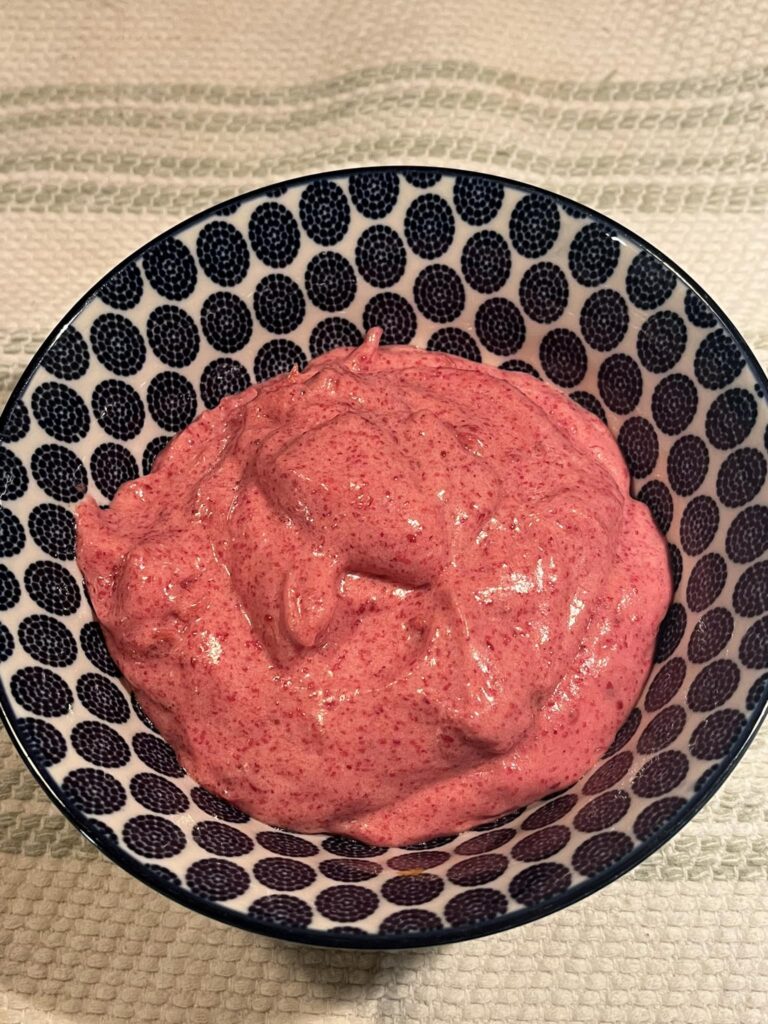
Silvija says that her mother and mother-in-law used to make debessmanna in the traditional way — first boiling the berries, then pressing them through a sieve to obtain a smooth mixture.
Give Us Today Our Daily Bread (Rūdolfs and Irma Grava)
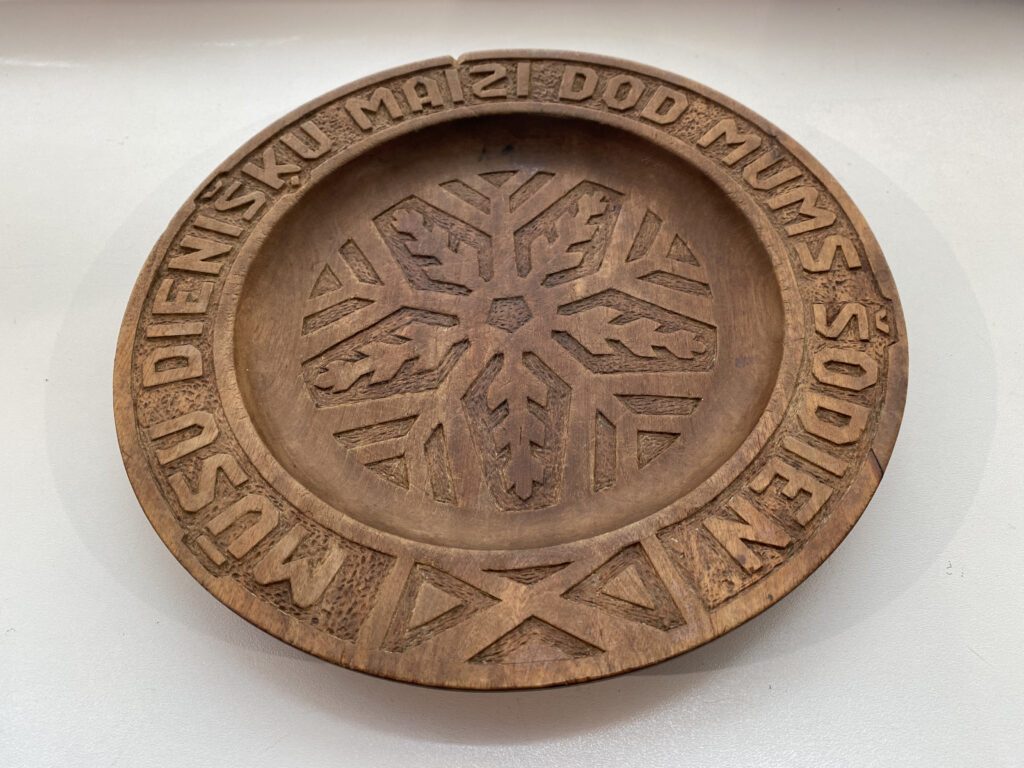
The Liepāja handicrafts teacher Rudolfs Fridrihs Grava made this bread platter in 1929 as a wedding anniversary gift for his wife, Irma Grava (née Mindenbergs). Irma and Rudolfs took this platter with them when they fled with their four youngest children during the Second World War, leaving Liepāja aboard an evacuation ship. Later, they packed the platter among their belongings when moving from a refugee camp in Germany to their new country of residence, the United States. After arriving in Baltimore, USA, the bread platter proved useful—it is believed that for many years it served in the Grava family’s large household both as a bread platter and as a cherished reminder of their wedding in their homeland. The plate was donated to the “Latvians Abroad” museum by Rūdolfs and Irma’s children, Artūrs Grava and Edīte Zariņa.