

Almonds Or Crumble? (Andris and Daiga Rūtiņi)
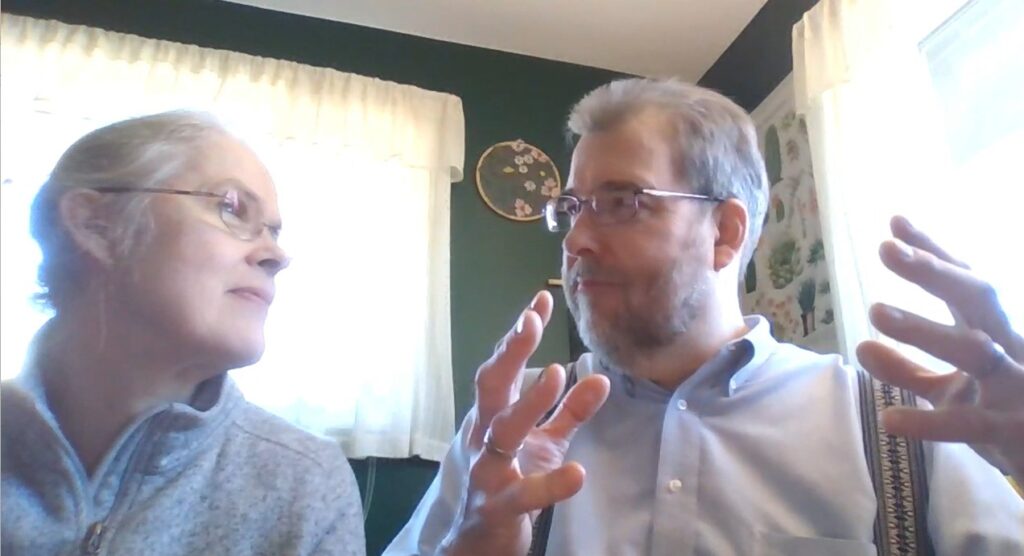
Andris and Daiga share memories of the kliņģeris they ate in childhood and talk about how they now find a compromise by combining both of their tastes and preferences.
The Torte Was Rolling Down the Road (Rasma Barbee)
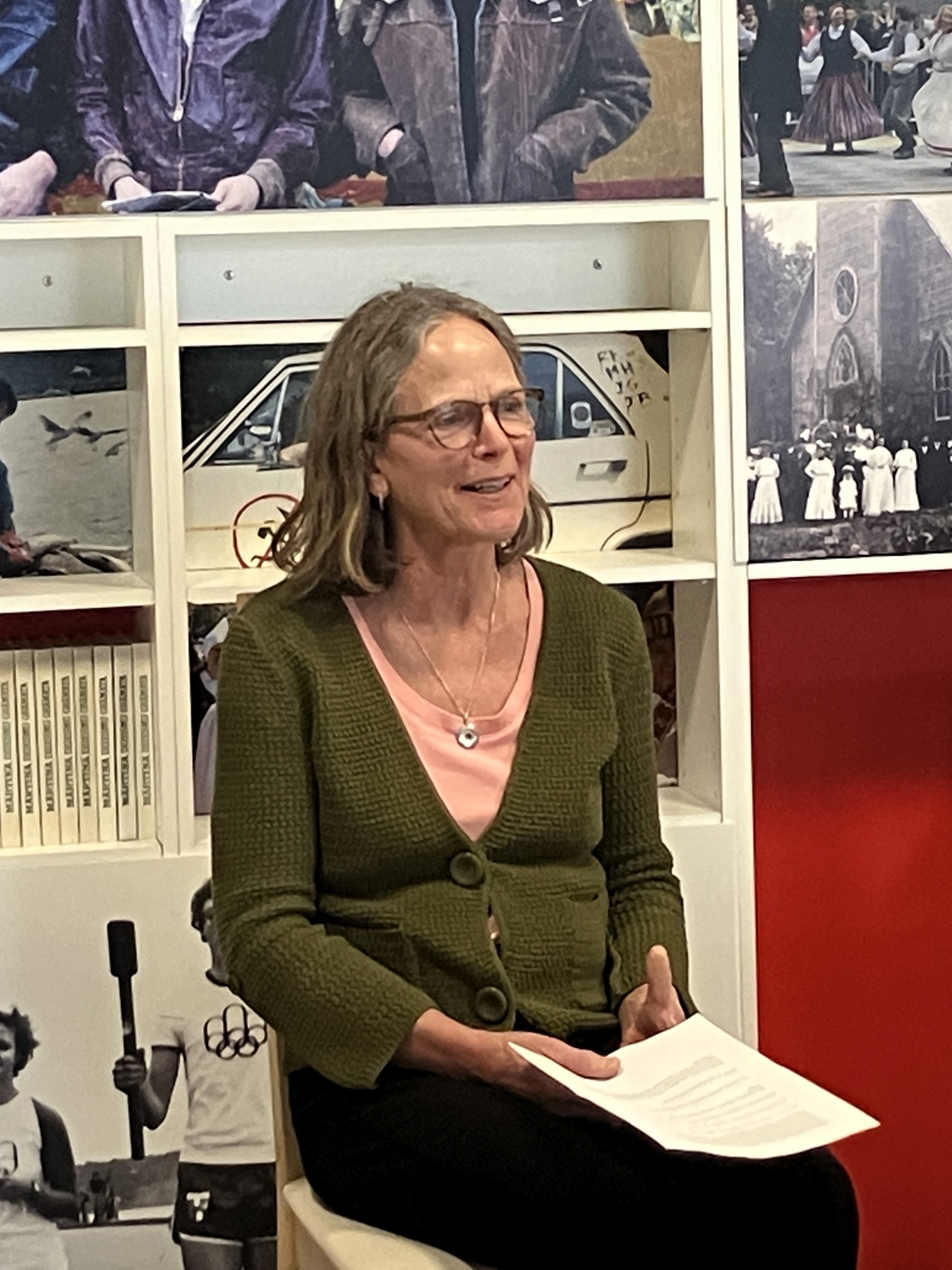
Rasma remembers how her mother baked 15–20 cakes and tortes every year for the town fair in Fond du Lac, Wisconsin, where the family represented the Latvian booth.
A Whole Salmon Covered in Cucumber Slices (Elisa Freimanis)
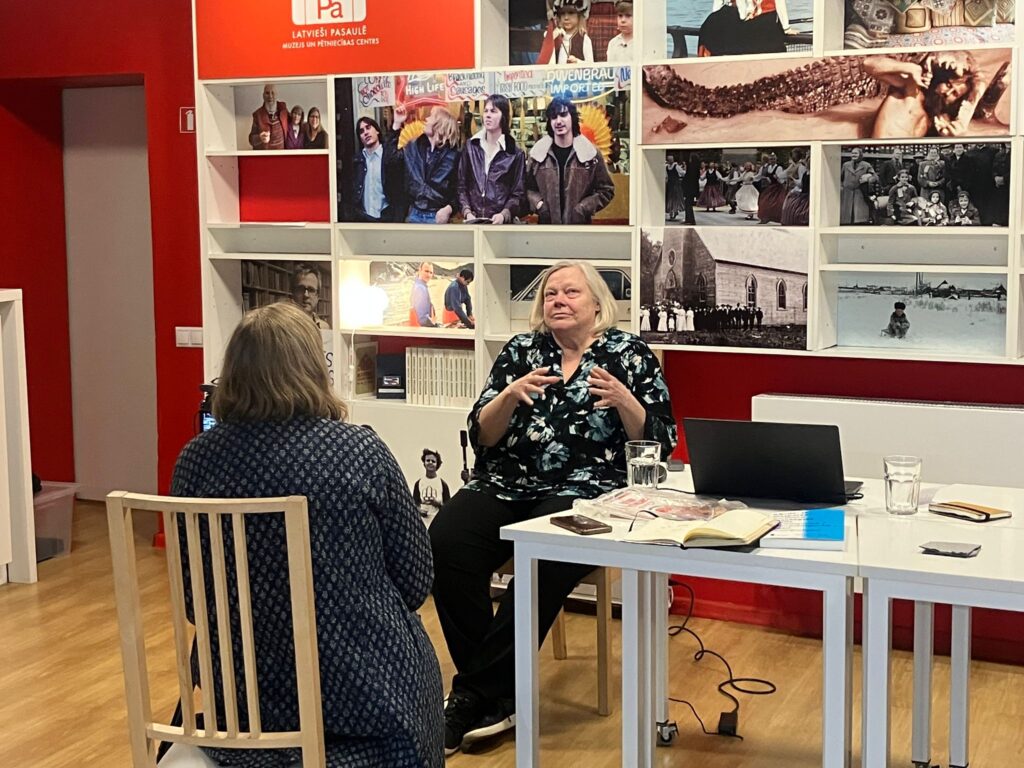
Elisa Freimanis’s mother was one of the DIMD ladies — four close friends and excellent hostesses who prepared Latvian dishes in Chicago. Elisa remembers how her father smoked fish and other foods for them. She also talks about the special fish recipe that was always served on the cold buffet table at large celebrations.
Fish in Tomato Sauce (Inga Rozīte Escalera)
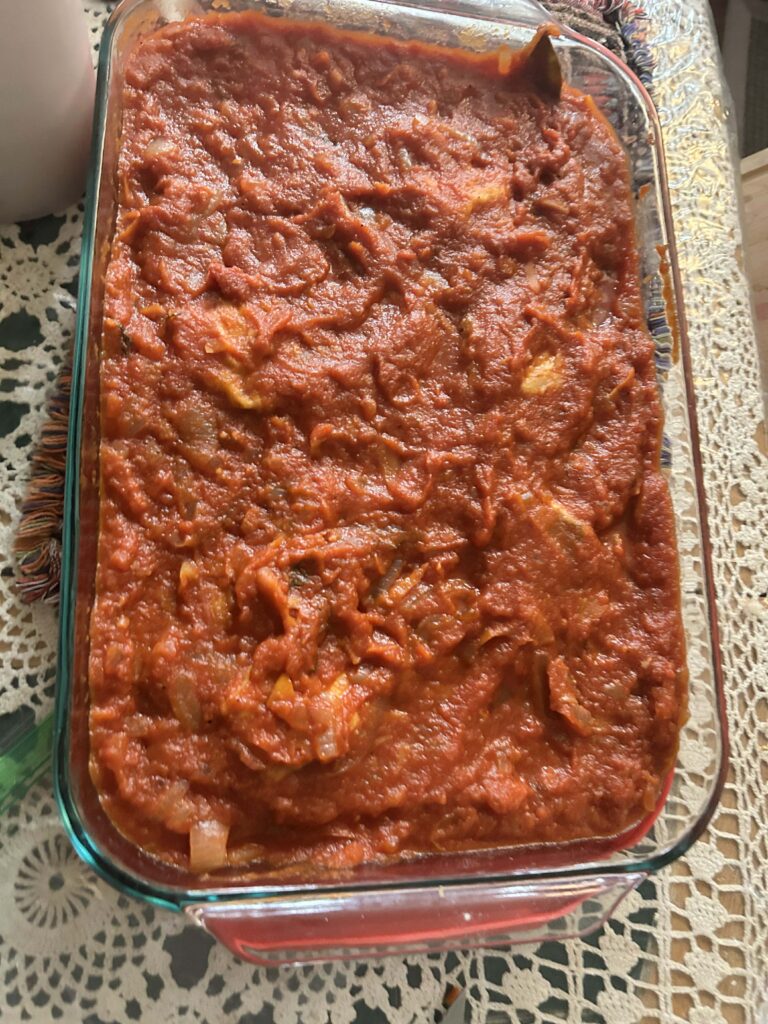
Inga ate fish in tomato sauce at Easter during her childhood. The recipe was inherited from her grandmother, but Inga learned how to prepare it from her mother. Inga says that it is very simple to make — and tastes fantastic!
First You Have to Decorate the Bowls! (Maruta Bergs)
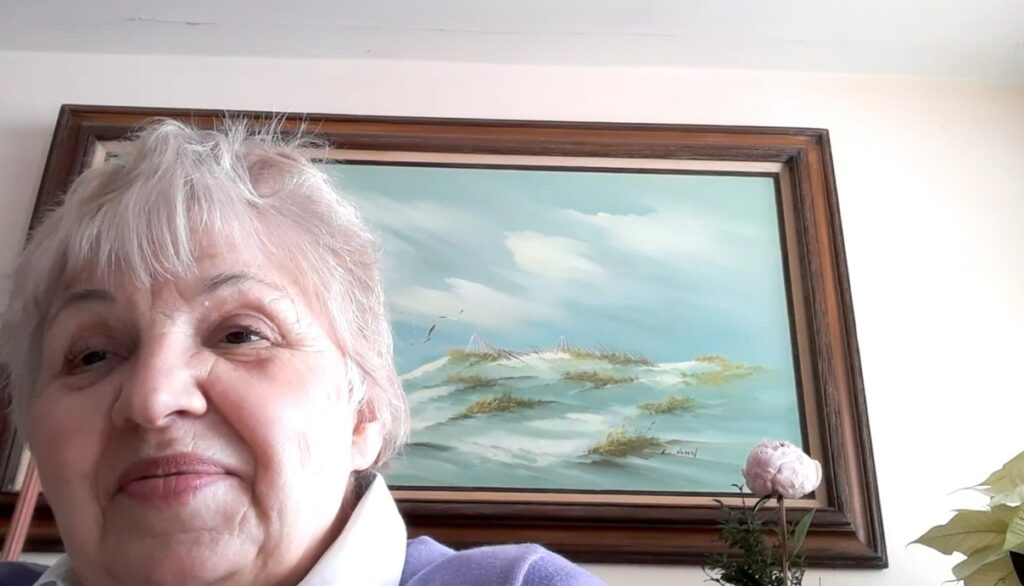
Maruta shares her “tips and tricks” for making a successful aspic.
I Even Had a Second Slice! (Ilze Kancāns)
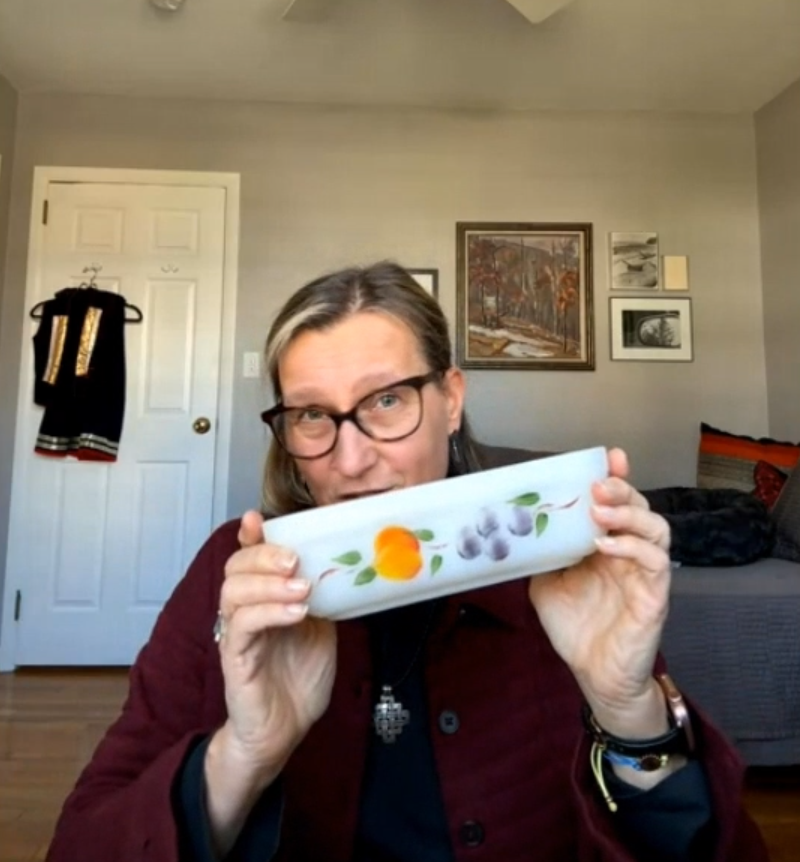
Ilze talks about her mother’s special aspic dish and her memories of the family Christmas table. Although she couldn’t eat aspic as a child, Ilze recently discovered that she now likes it and has decided to try making it next Christmas.
We’re Not Having Rasols?! (Astrīde Cīrule)
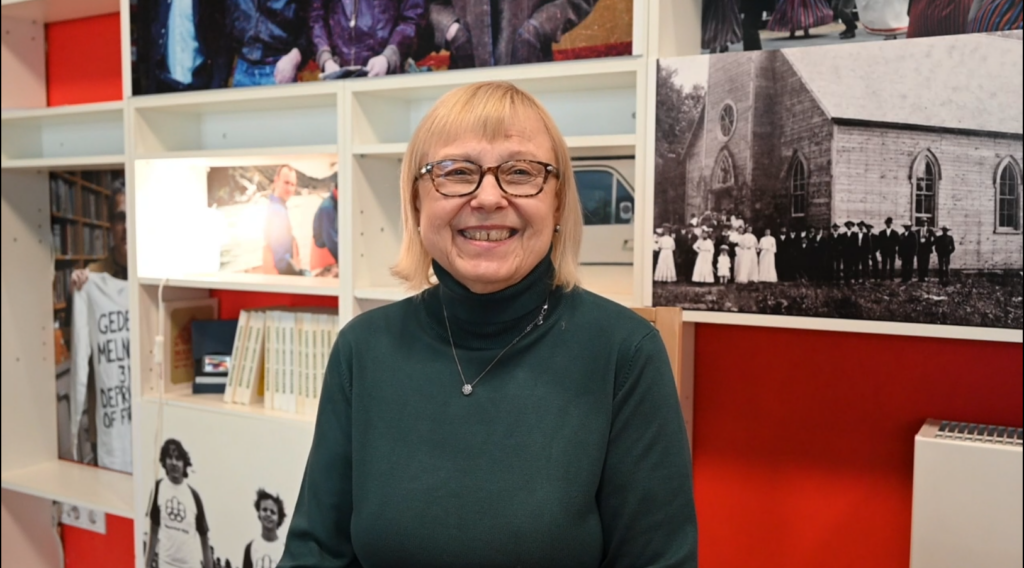
Astrīde Cīrule tells about rasols as an essential addition to her family festive table in the US.
So What Is the Real Rasols? (Aija Ērgle)
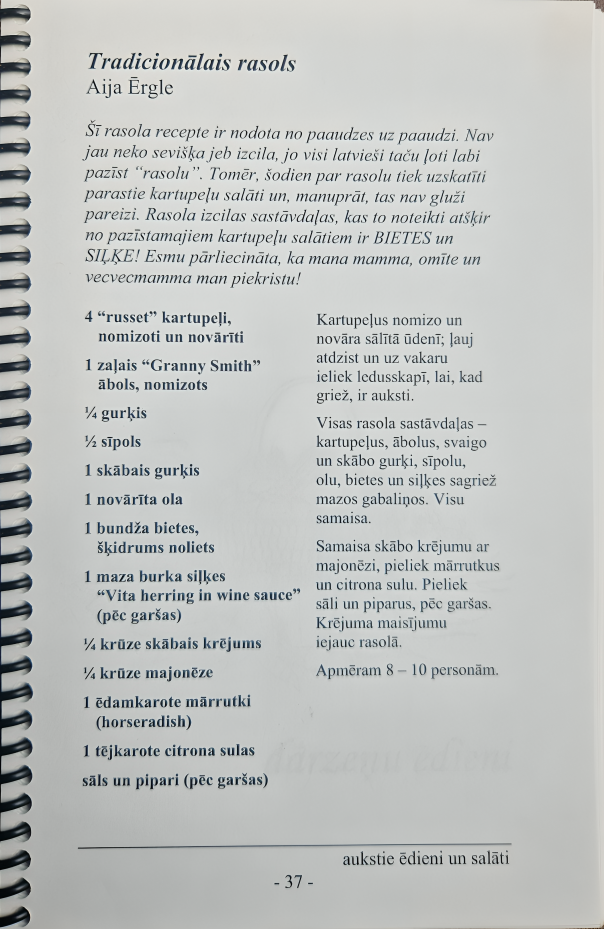
Aija’s rasols recipe has been passed down from generation to generation. Key ingredients in her version are beets and herring, so that, as she says, it stands apart from potato salad. Her rasols recipe can be found in the cookbook ‘Ņujorkas latviešu ev. Lut. draudzes Ziemeļu novada PAVĀRGRĀMATA’, published in America.
Flower Pot Pashka (Laima Grāmatiņa)
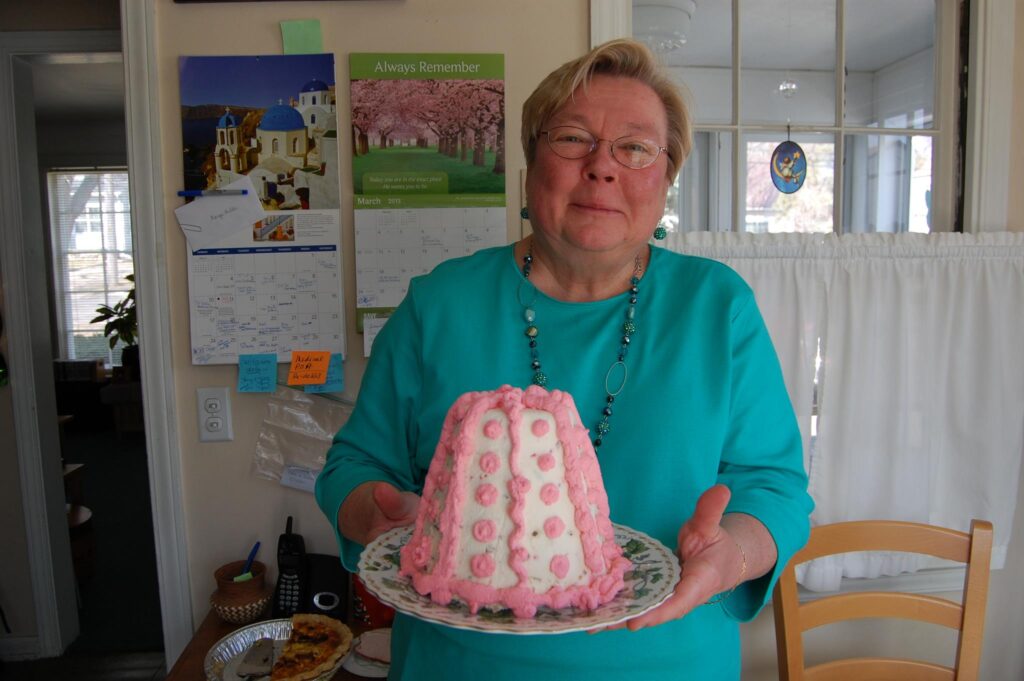
Living in America, Mirdza Grāmatiņa began making paskha at Easter using a recipe she found in a magazine. Mirdza’s daughter Laima adopted this tradition, and every Easter Laima tries to make paskha using that same recipe. She shapes the paskha by using a flower pot.
Pancake Breakfast in Boston (Gints Grinbergs un Armands Ramoliņš)
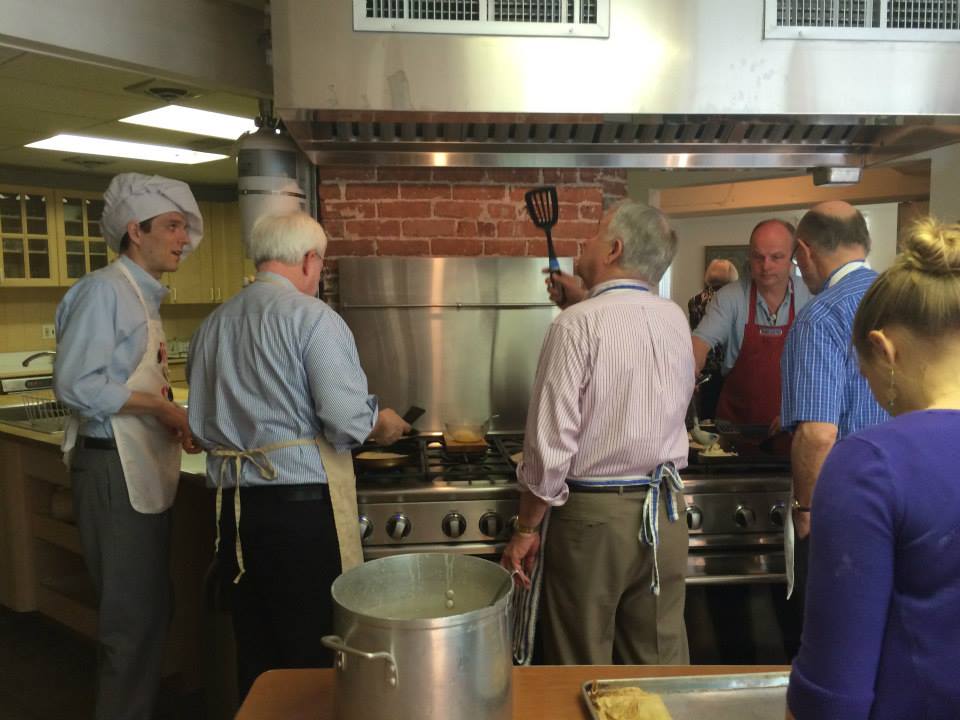
For about 30 years, the Latvian community in Boston has had a special Family Day tradition: making pancakes. However, this tradition has a small twist compared to usual—only the men make the pancakes! Listen to an interview with Gints and Armands, long-time Family Day pancake makers, about how this tradition began and how it continues today.