1, 2, 3, Alexander Cake! (Ingrīda Mazutis)
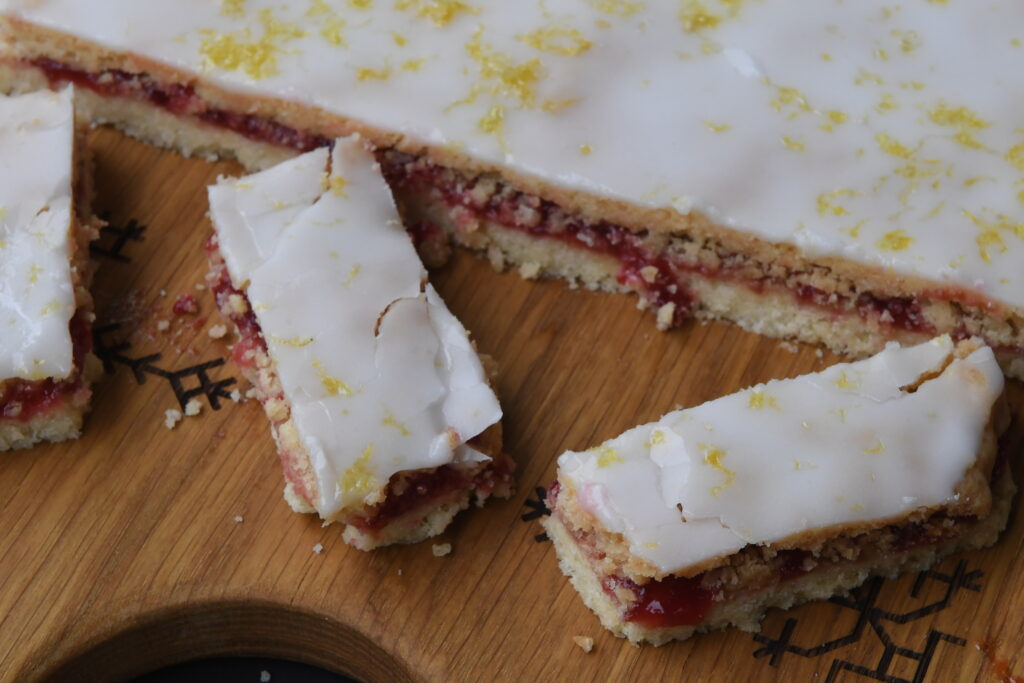
Ingrīda makes Alexander cake using the 1, 2, 3 principle — with sugar, butter, and flour. She talks about how it is made, often kneading the shortcrust dough while sitting and watching the evening news.
Fish in Tomato Sauce (Inga Rozīte Escalera)
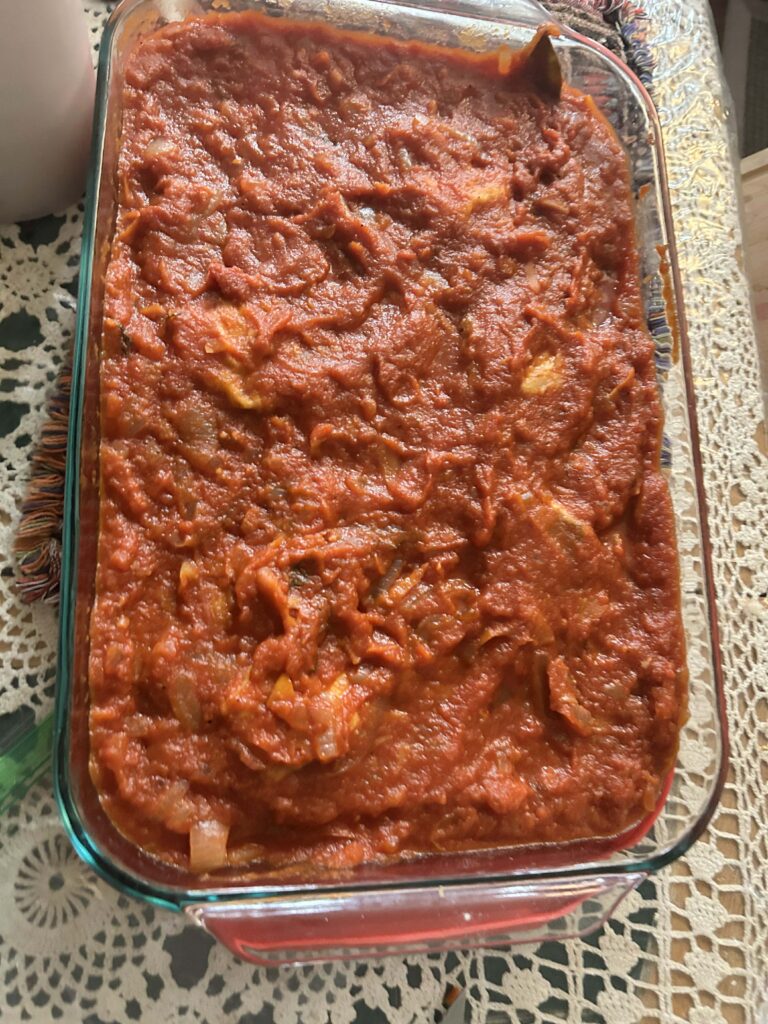
Inga ate fish in tomato sauce at Easter during her childhood. The recipe was inherited from her grandmother, but Inga learned how to prepare it from her mother. Inga says that it is very simple to make — and tastes fantastic!
The Most Important Thing Is What’s NOT In It! (Gundega Michele)
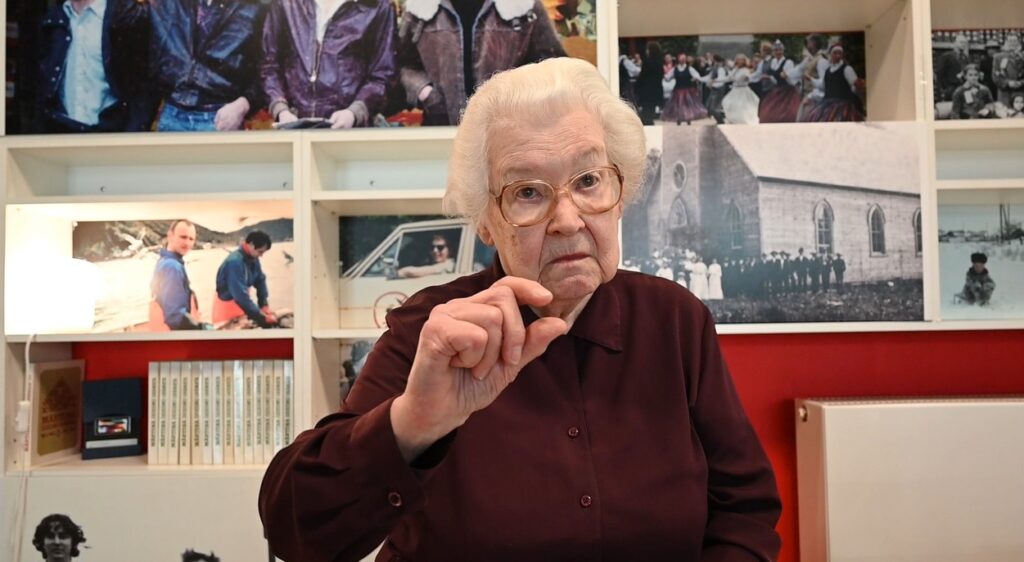
Gundega Michele, while living in the USA, developed her own rasols recipe and shares it in this video and also in a PDF. It turns out that the most important thing is what’s not in it!
Aspic Recipes from Diaspora Cookbooks
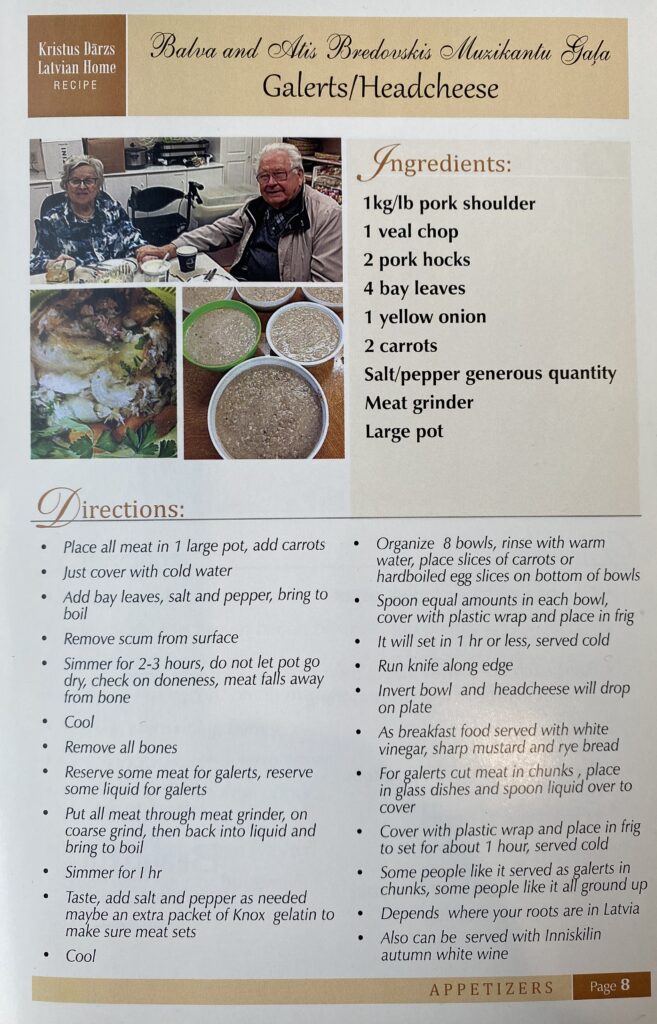
Here is a collection of several aspic recipes from diaspora cookbooks — starting with Dzidra Zeberiņa’s “Ģimenes pavārds” (USA, 1955) recipe for aspic, and ending with Balva and Atis Bredovskis’ recipe for Muzikantu gaļa (Musician’s meat) — a recipe they recorded while living in the ‘Kristus dārzs’ retirement home in Canada.
So What Is the Real Rasols? (Aija Ērgle)
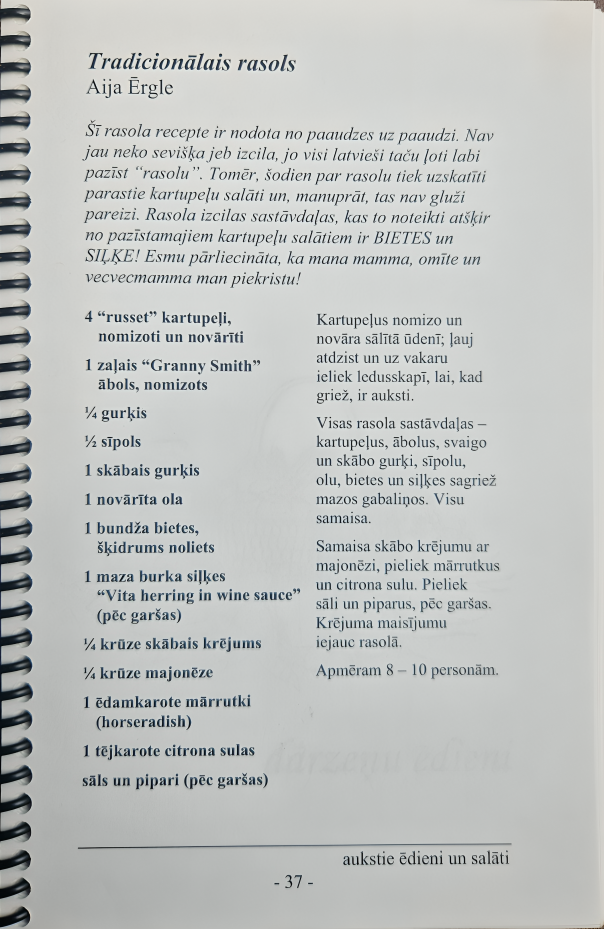
Aija’s rasols recipe has been passed down from generation to generation. Key ingredients in her version are beets and herring, so that, as she says, it stands apart from potato salad. Her rasols recipe can be found in the cookbook ‘Ņujorkas latviešu ev. Lut. draudzes Ziemeļu novada PAVĀRGRĀMATA’, published in America.
Rasols With Tomatoes (Elza Auliciema)
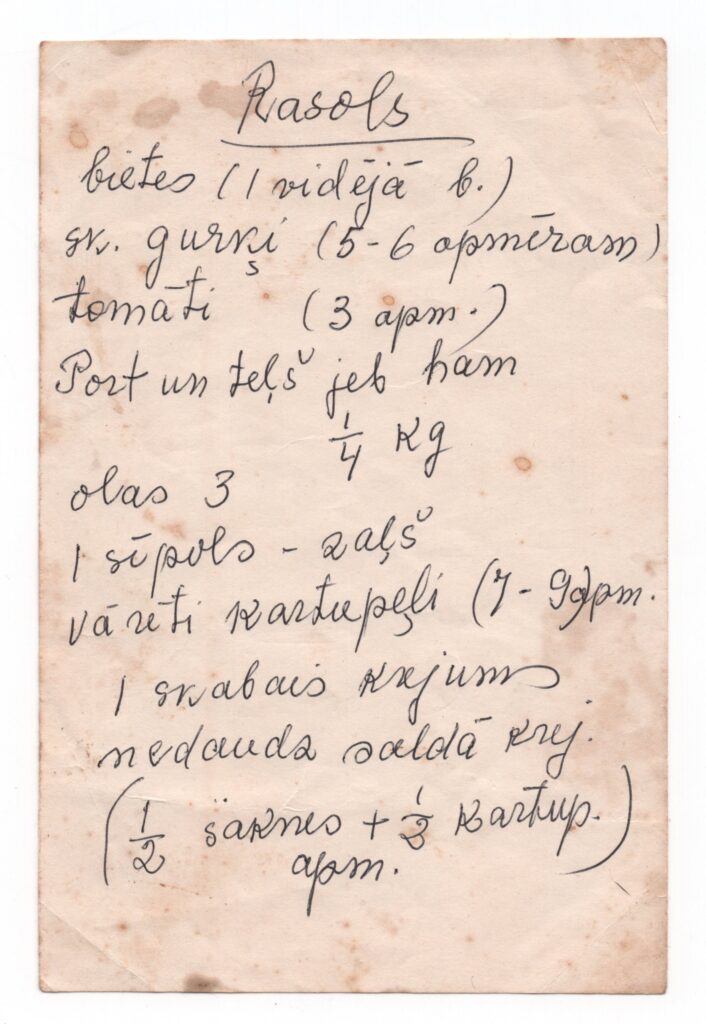
Elza Auliciema’s rasols recipe, written in Adelaide, Australia, in the second half of the 20th century. This recipe is unusual because it lists tomatoes as an ingredient in rasols.
Flower Pot Pashka (Laima Grāmatiņa)
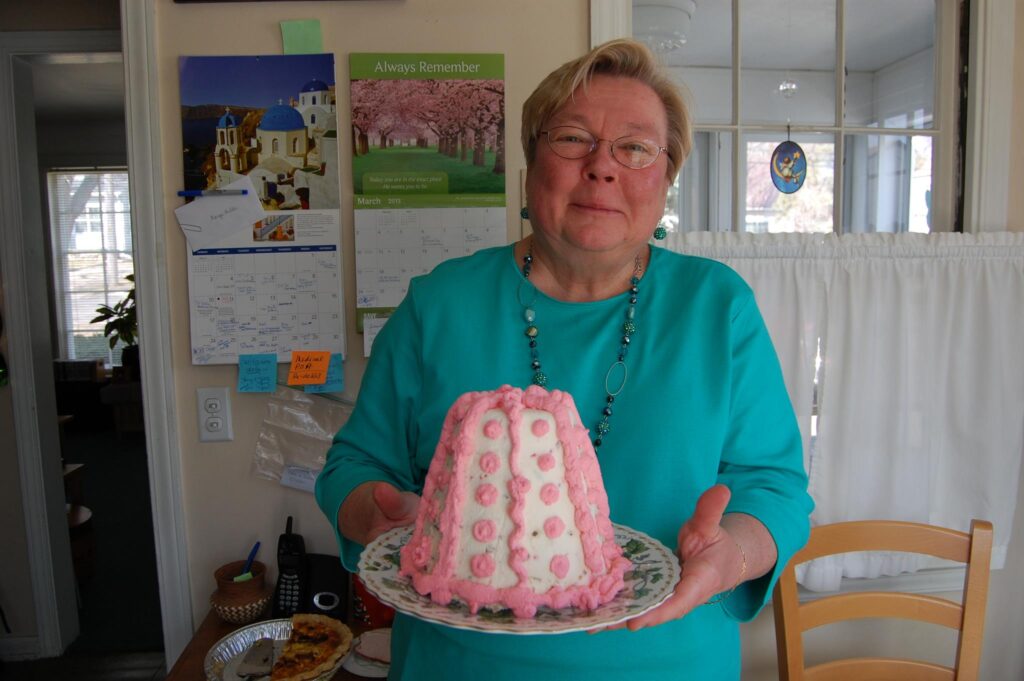
Living in America, Mirdza Grāmatiņa began making paskha at Easter using a recipe she found in a magazine. Mirdza’s daughter Laima adopted this tradition, and every Easter Laima tries to make paskha using that same recipe. She shapes the paskha by using a flower pot.
Pascha Mold from the Lauri Colony (Nata Meģe)
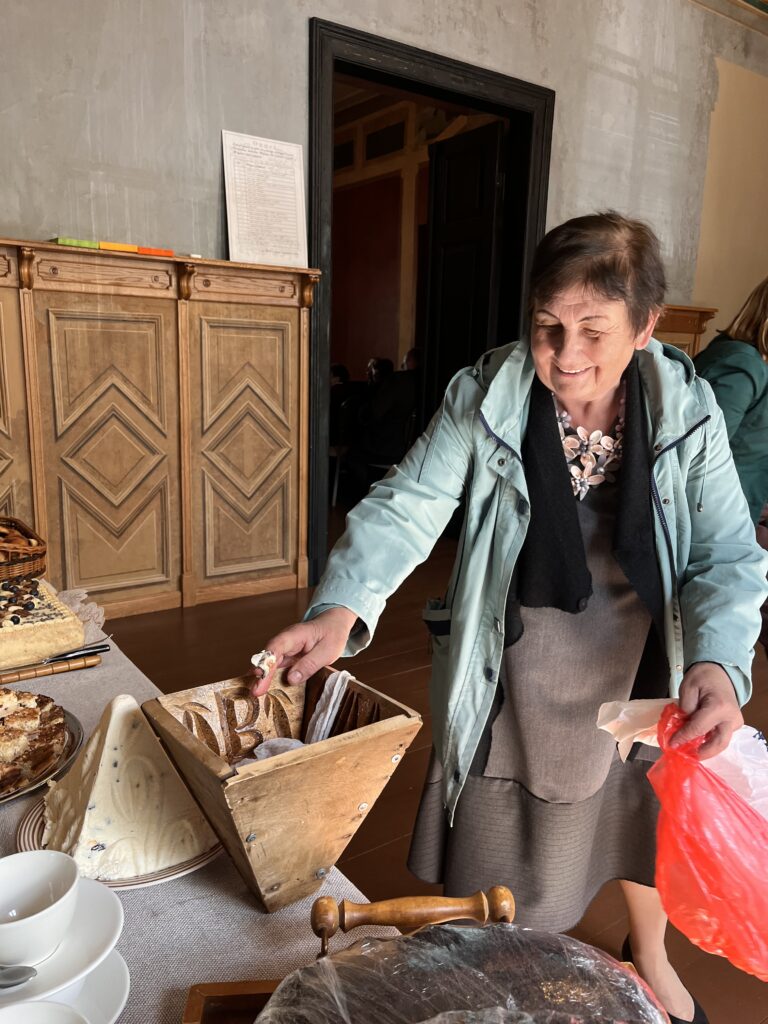
Laura Latvian descendant Nata Meģe shares her family’s pasha recipe and the wooden mold used to make pasha, which has been passed down in her family from generation to generation.
Childhood “Buberts” (Signe Miķelsone)
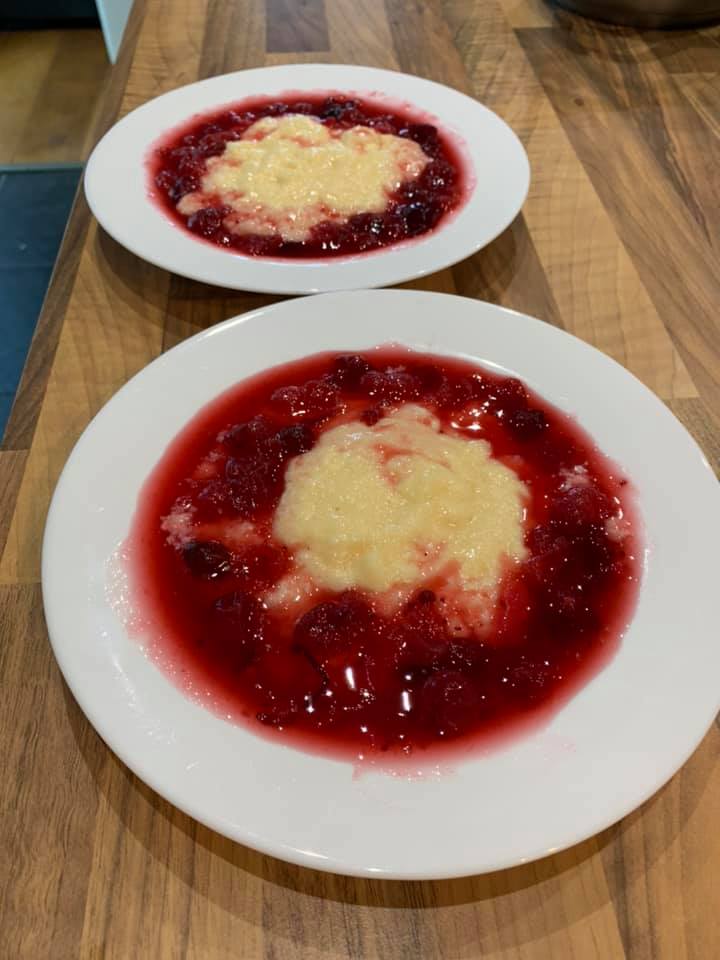
Signe has been living outside Latvia for 17 years. Although she enjoys foods from other cultures and rarely eats desserts, she sometimes still feels the urge to prepare buberts—a dessert she remembers well from her childhood.
70-Year-Old Wooden Molds (Aija Ērgle)
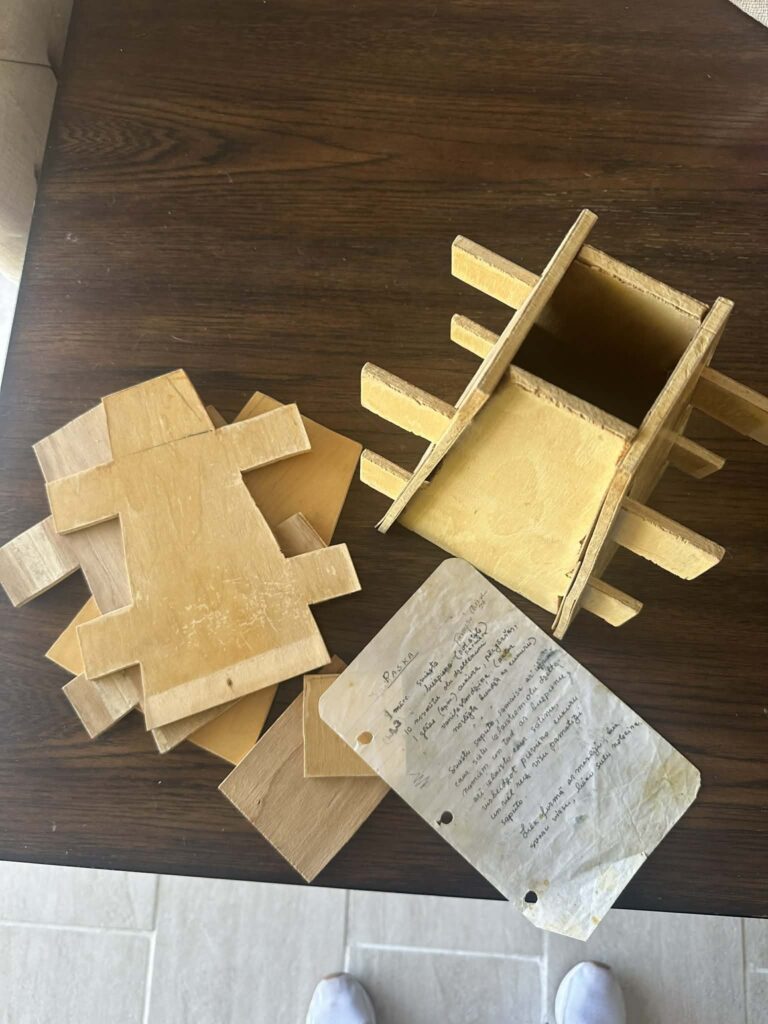
Aija’s mother always made paskha for Easter, using wooden molds that her husband had made about 70 years ago. Today, Aija continues this family tradition by preparing paskha according to her mother’s recipe and using the very same time-worn wooden molds, which carry both the taste of the holidays and cherished family memories.