Alma’s Kneading Trough (Alma Upesleja)
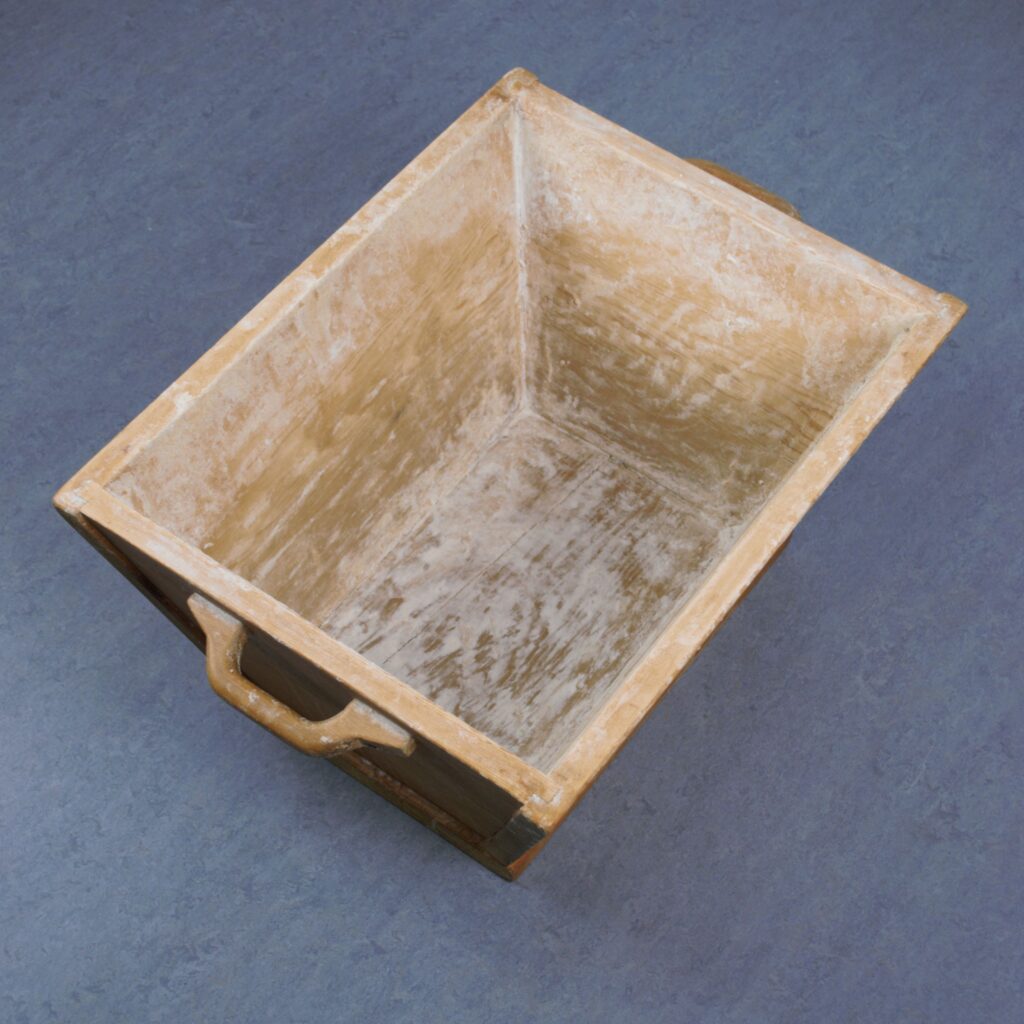
This kneading trough was made by Kārlis Upesleja (1902–1989) for his wife Alma (1906–2002) after their arrival in the United States, so that she could continue baking Latvian bread even while living in exile. Alma baked rye bread for her family and also for the Latvian community in Milwaukee, Wisconsin. Their daughter Anna Vējiņa (1932–2015) inherited the trough and continued her mother’s role—baking rye bread. In memory of Anna, the Milwaukee congregation’s newsletter states: “We thank God for Anna’s service both on the parish council, in the Daugavas Vanagi, at the Latvian House, and in the Credit Association. The bread she baked brought blessings to countless Latvians!”
The linen towel, with the monogram AU (Alma Upesleja), was most likely brought from Latvia on her refugee journey. The towel was used to cover the dough while it was rising. Alma also used a wooden paddle for baking, to mix the starter with water and flour.
The kneading trough, towel and paddle were donated to the “Latvians Abroad” museum by Vita Kākulis.
One Loaf Was Always Given to the Minister! (Jānis Grimbergs)
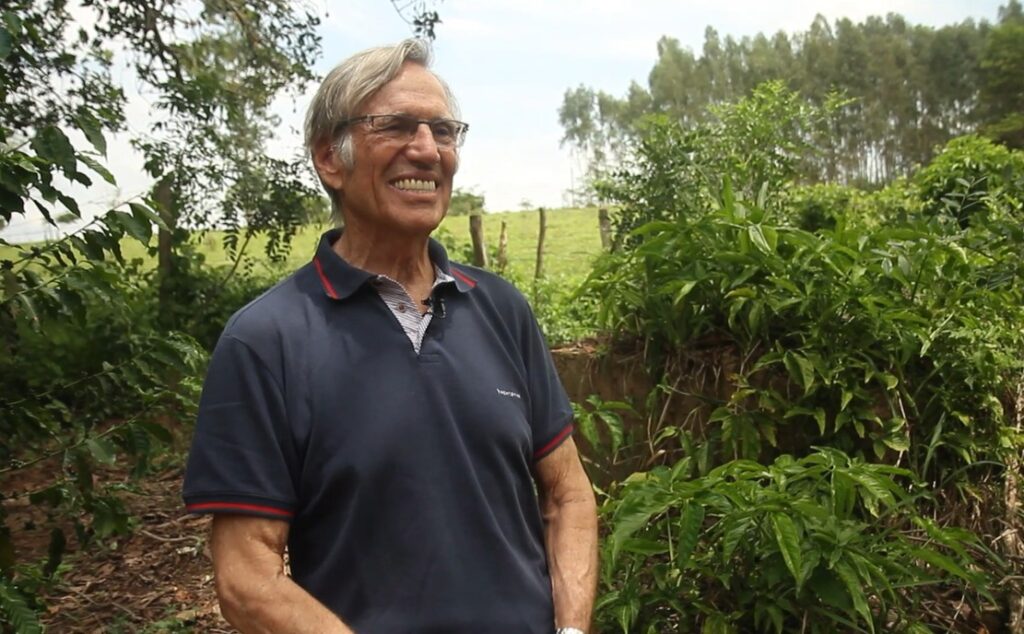
Jānis Grimbergs talks about bread baking in his childhood home — how loaves were baked on banana leaves, and how his mother managed to bake bread with the “real” taste, even though rye flour was not available. The interview with Jānis Grimbergs was given to the curator of the museum “Latvians in the World,” Marianna Auliciema, and researcher Brigita Tamuža during a museum expedition in Vārpa, Brazil, in 2013.
She Mixed Maize Flour With Sweet Potato… (Luzija Osis)
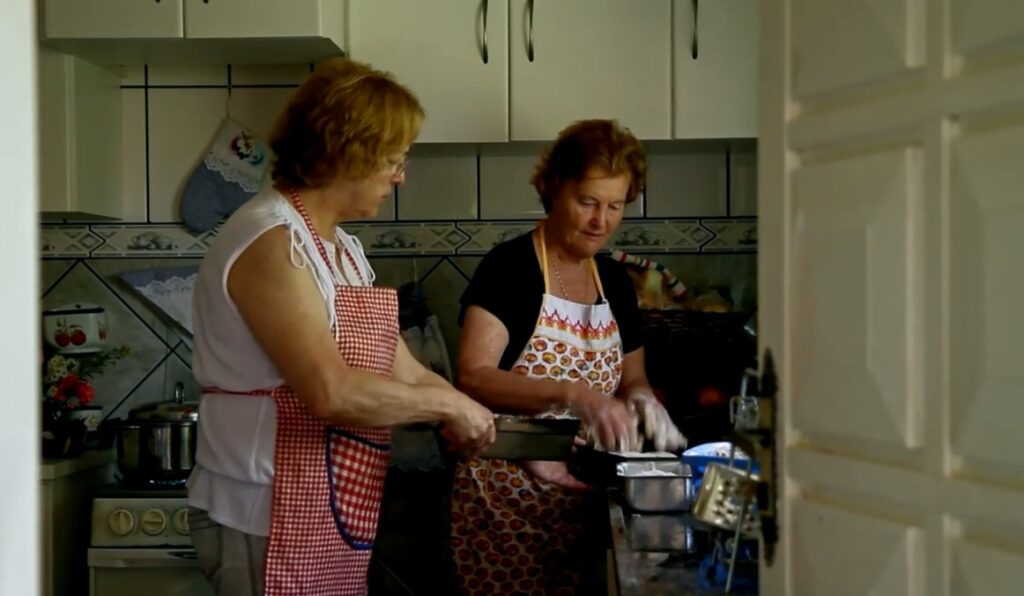
Luzija and Verners Osis, in their home in Vārpa, Brazil, demonstrate and talk about bread baking in their household in the past and today.
The interview was given to the curator of the museum “Latvians in the World,” Marianna Auliciema, and researcher Brigita Tamuža during a museum expedition in Vārpa, Brazil, in 2013. The video excerpt is from the museum’s documentary film “Vārpa: The Promised Land” (2017).
The Dambergs Family Kneading Trough (Jaime Dambergs)
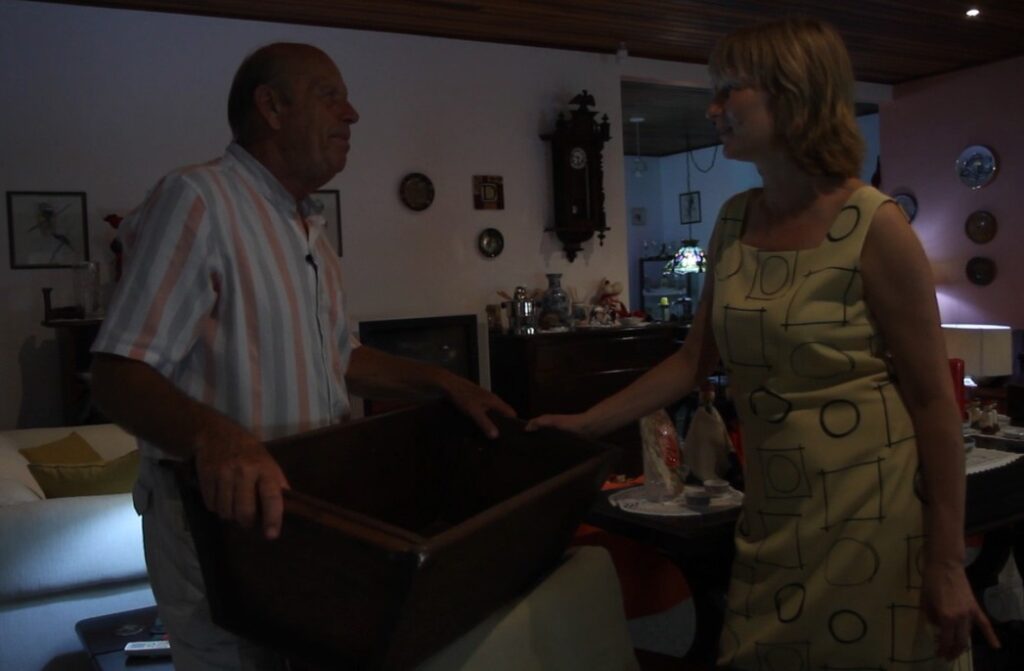
Jaime Dambergs talks about the “terribly” delicious bread that his mother used to bake on weekends in Brazil. The interview with Jaime Dambergs was given to the curator of the museum “Latvians in the World,” Marianna Auliciema, and researcher Brigita Tamuža during a museum expedition in Vārpa, Brazil, in 2013.
Thai Style Frikadelle Soup (Inese Grava-Gubiņa)
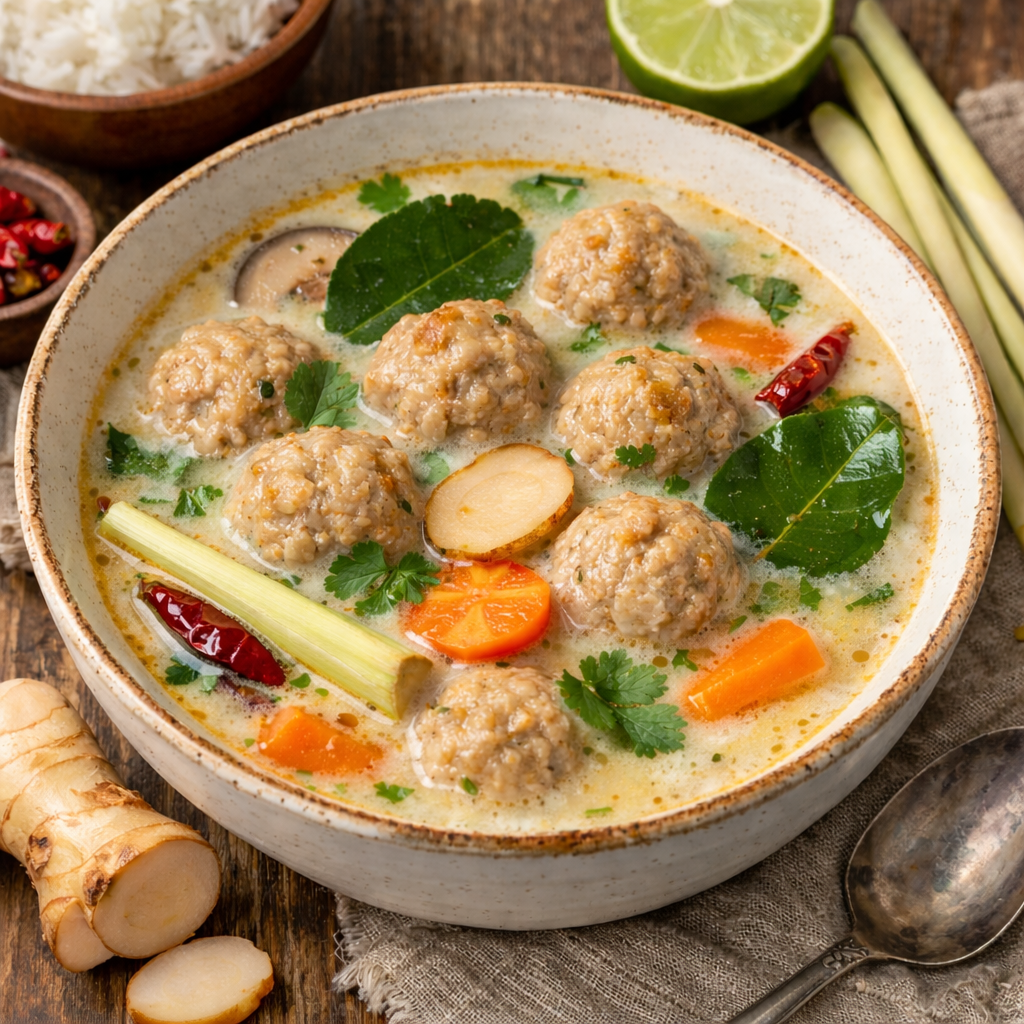
Fragment from Inese Grava-Gubiņa’s interview with Latvieši pasaulē curator Marianna Auliciema, November 28, 2025.
Around 2006, 2007, and 2008—that was the time when we began teaching the first Latvian cooking classes at the Gaŗezers Summer High School. After that, a year passed, and I returned again—this time for the second time—to teach.
We worked with teenagers—young people aged 14–17. In the first year, I think Latvian cuisine as a class hadn’t been offered for some time, or only very minimally, and I don’t really know how it went back then. But in the year when I started, the group consisted only of girls. I remember how we laughed and joked, saying that those silly boys preferred to go play volleyball on the beach in the heat. They could have come into a cool room, cooked food together, and eaten. And besides—all those beautiful girls they could have gotten to know better!
In the second year, I had boys! Somehow they figured out that it wasn’t so bad to be in the kitchen and work together making food. It was very interesting… there were no problems in either year, but the dynamic completely changed once the boys showed up.
We already made soup in the first year—”frikadeļu” soup, though not exactly the usual kind. I wanted something more interesting, so I had brought along some special Thai-style spices from home. Around Gaŗezers there aren’t many exotic shops where you can get everything. I had brought (I don’t know what it’s called in Latvian) lemongrass—citronzāle—and something called galangal (I don’t know the Latvian name either)—a root that looks like ginger but has a different taste and aroma. And kaffir lime leaves—those things I brought with me from Canada. And then coconut milk.
So we made the “frikadeļu” soup the way it’s usually made—add whatever you want! I think I even made it with chicken or turkey, which I found at a big grocery store, because I had to make a very large amount—such a quantity! We made the meatballs and cooked the soup. Then we added the galangal, lemongrass, and kaffir lime leaves. And I also added—because I had them—dried hot peppers. I grow them in my garden and then simply dry them. In winter, if I need a little bit of heat, I throw one dried pepper into the pot, let it cook there, and then pull it out. It gives just a little kick, not so much that your tongue is on fire.
That’s how we made the soup, and then—right before it was ready—we poured in a few cans of coconut milk. And there you have it: Thai-style “frikadeļu” soup!
I already knew it would be a hit, because these young people… Well, there were some things they really liked, but other things they ate rather reluctantly. This soup—they went back for a first, second, third bowl, and I think some of them would have eaten even more if they hadn’t had to go to their next classes. They absolutely loved it! It’s “frikadeļu” soup, but with a different flavor.
Riga Bakery in Australia (Āris Bērziņš)

Āris talks about his father, Voldemārs Bērziņš, and the bakery he founded, “Riga Bakery,” in Australia in 1952. Watch the interview to learn how the bakery was established, how it grew, and what memories Āris has connected to it.
A Mother’s Blessing (Lilija Rudzītis)
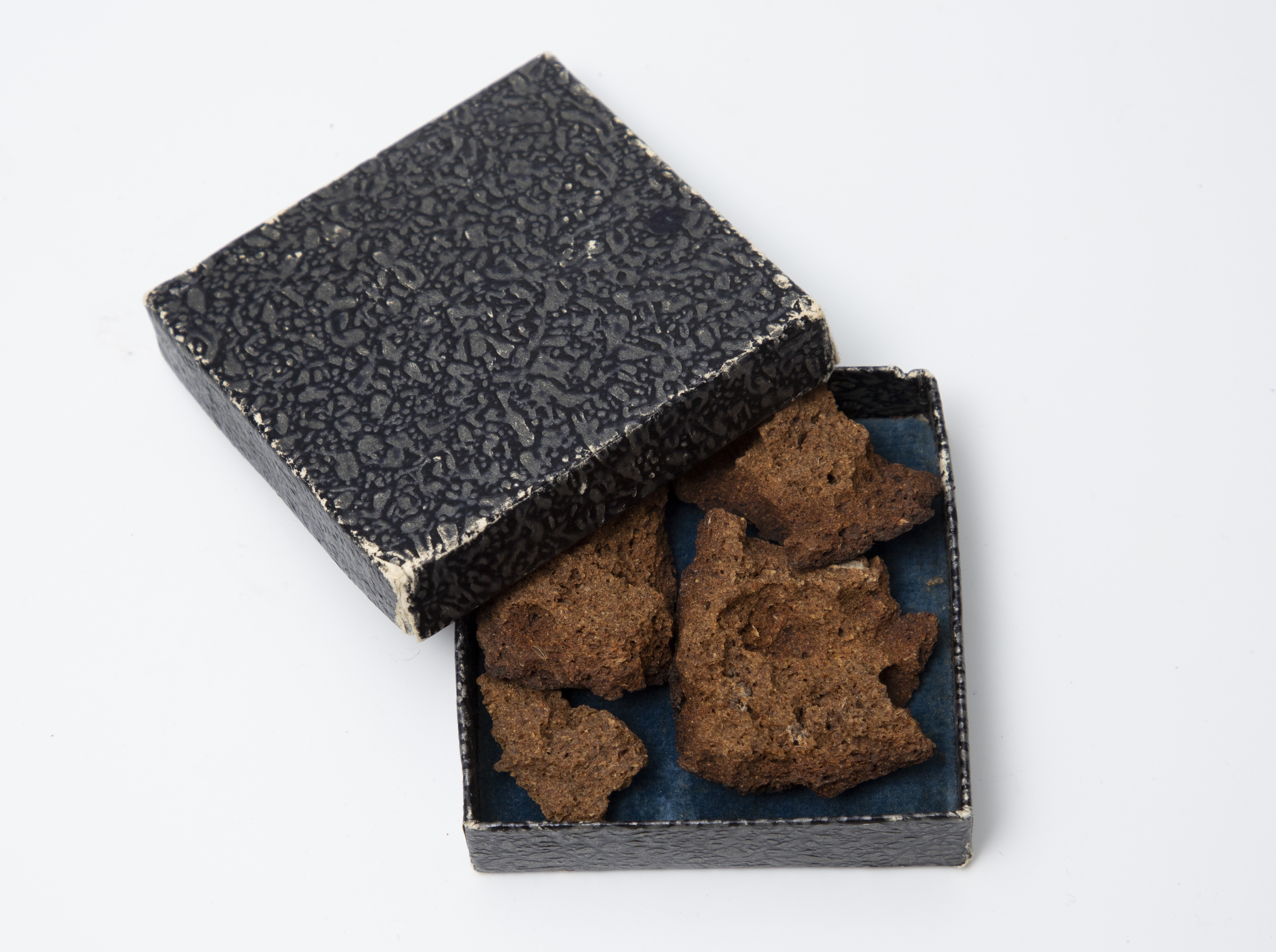
This dried piece of bread, which is part of the collection of the “Latvians Abroad” museum, is a special symbol of Latvia, of home, and of a mother.
Mayse Artisan Bakery (Aleksandrs Strelīts-Strēle and Elīna Krieviņa)
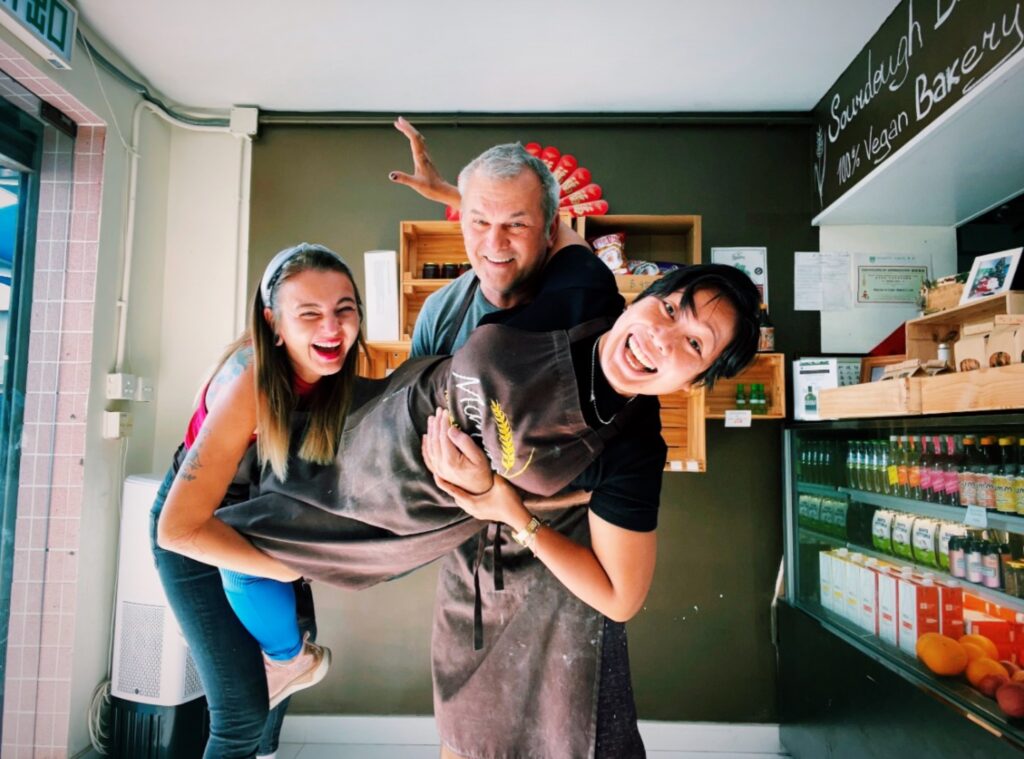
How did the “Mayse” bakery come to be in Hong Kong? Aleksandrs and his daughter Elīna talk about their bakery, which has been operating for eight years and has become a well-known and popular plant-based bakery among local residents in Hong Kong.
Your Soup is Melding (Guna Asons)

Guna Asons: There are soups that need to be prepared the day before they are served. They have to stand overnight — especially cold soups. Then people say, “Your soup is melding”. When I was young, I didn’t eat cold soup. It was something unfamiliar that I had to learn to appreciate.
The story was recorded and submitted by Dagnija Roderte.
Everyone Loves Frikadelle Soup (Vilma Bērziņa)
Vilma Bērziņa: “Frikadeļu” soup — it’s loved by children, grandchildren, and even great-grandchildren. But Gunārs (my son-in-law) makes it the best. We also enjoy red beets, especially my husband Elmārs. We grew them in our garden, made salads, and cooked beet soup.
The story was recorded and submitted by Dagnija Roderte.