

Flower pot pashka (Laima Grāmatiņa)
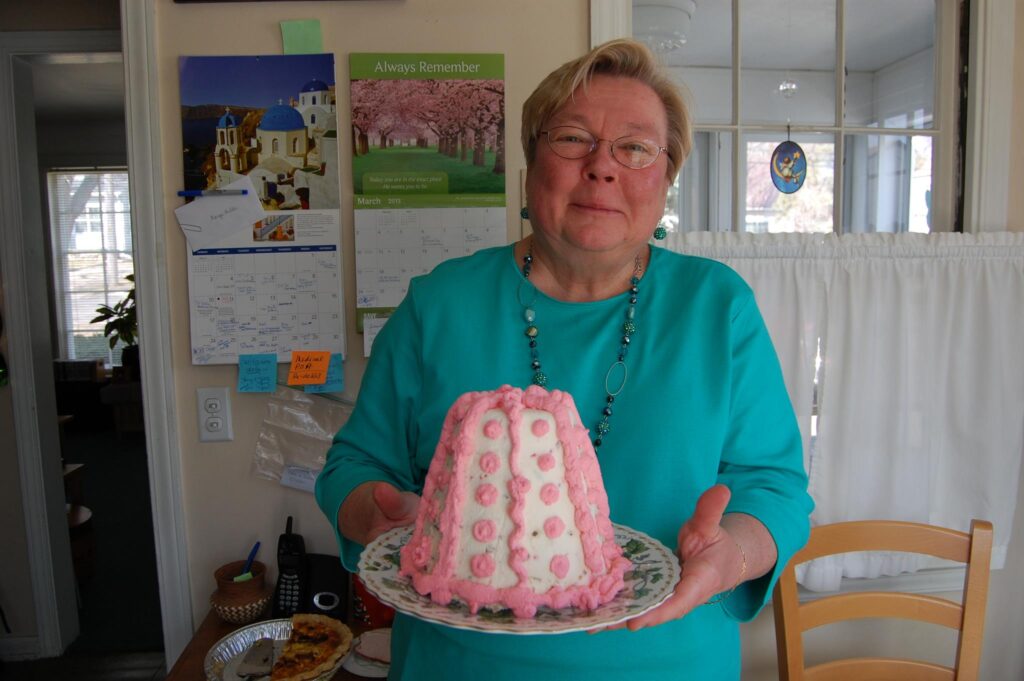
Living in America, Mirdza Grāmatiņa began making paskha at Easter using a recipe she found in a magazine. Mirdza’s daughter Laima adopted this tradition, and every Easter Laima tries to make paskha using that same recipe. She shapes the paskha by using a flower pot.
Pascha mold from the Lauri colony (Nata Meģe)
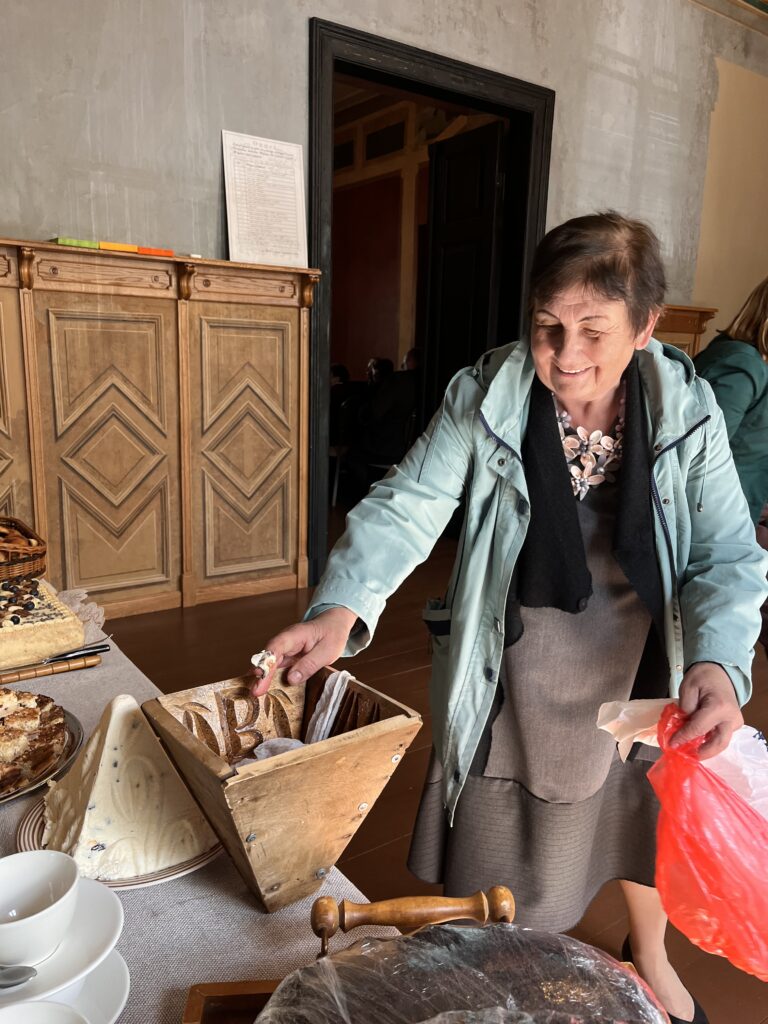
Laura Latvian descendant Nata Meģe shares her family’s pasha recipe and the wooden mold used to make pasha, which has been passed down in her family from generation to generation.
Childhood “buberts” (Signe Miķelsone)
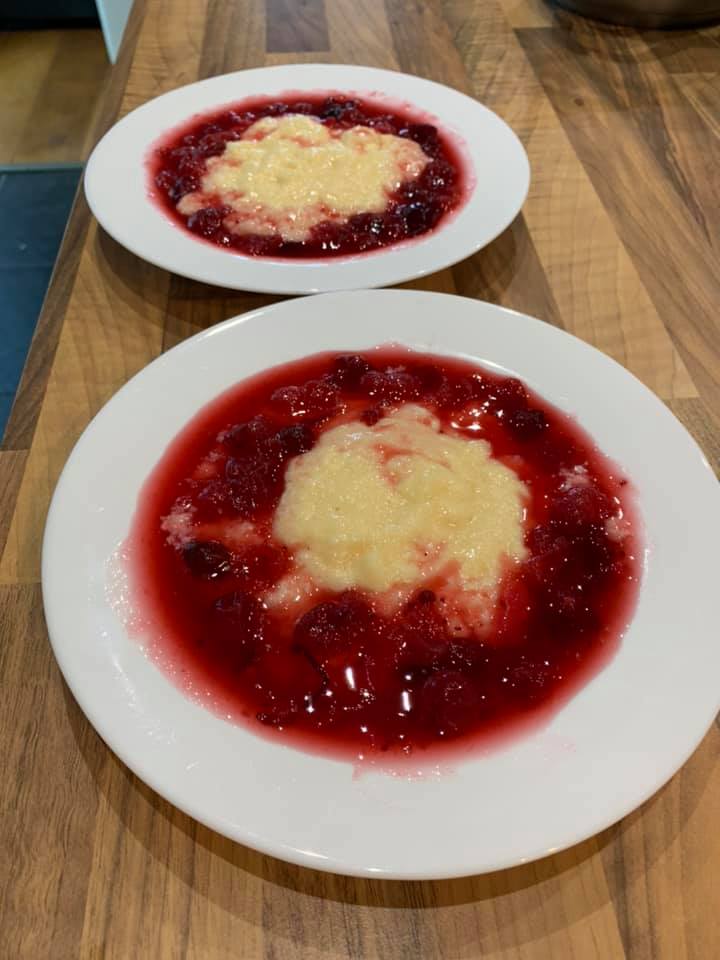
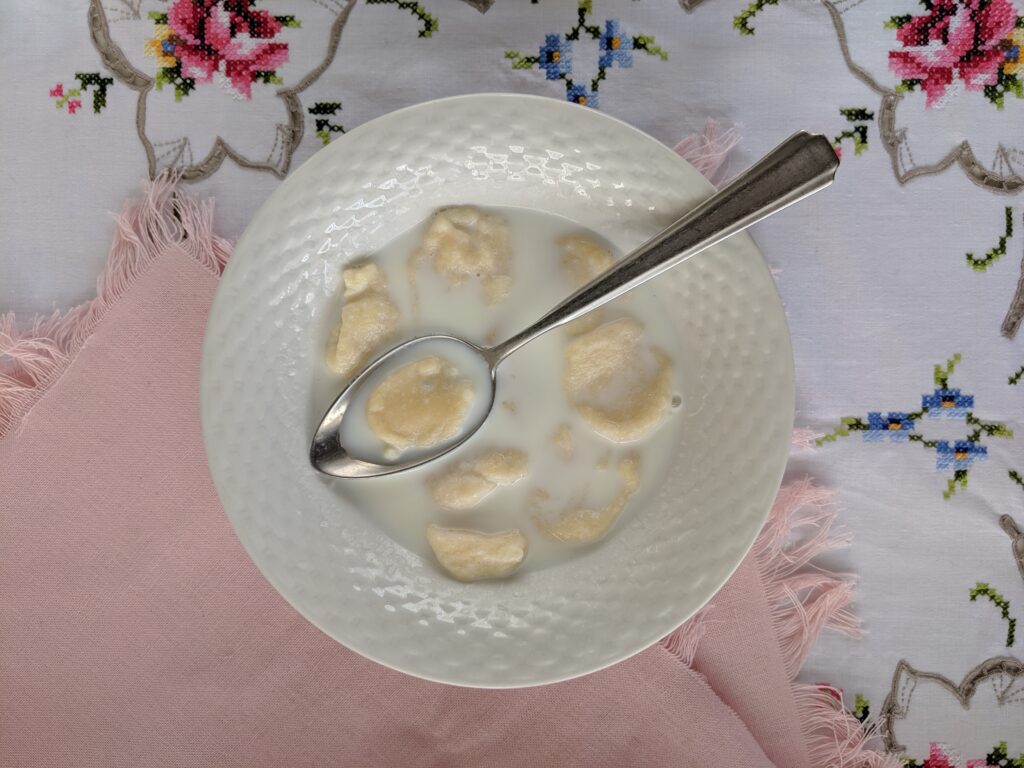
Signe has been living outside Latvia for 17 years. Although she enjoys foods from other cultures and rarely eats desserts, she sometimes still feels the urge to prepare buberts—a dessert she remembers well from her childhood.
70-year-old wooden molds (Aija Ērgle)
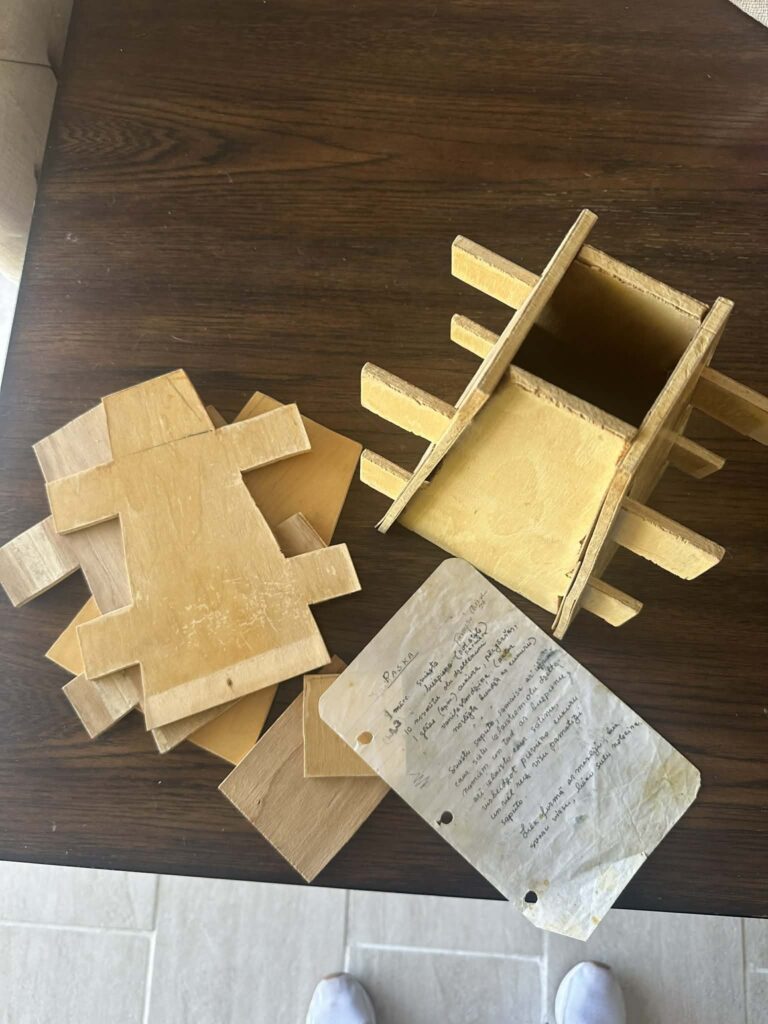
Aija’s mother always made paskha for Easter, using wooden molds that her husband had made about 70 years ago. Today, Aija continues this family tradition by preparing paskha according to her mother’s recipe and using the very same time-worn wooden molds, which carry both the taste of the holidays and cherished family memories.
Her recipe relied on memory (Recipe – Modris Pukulis)
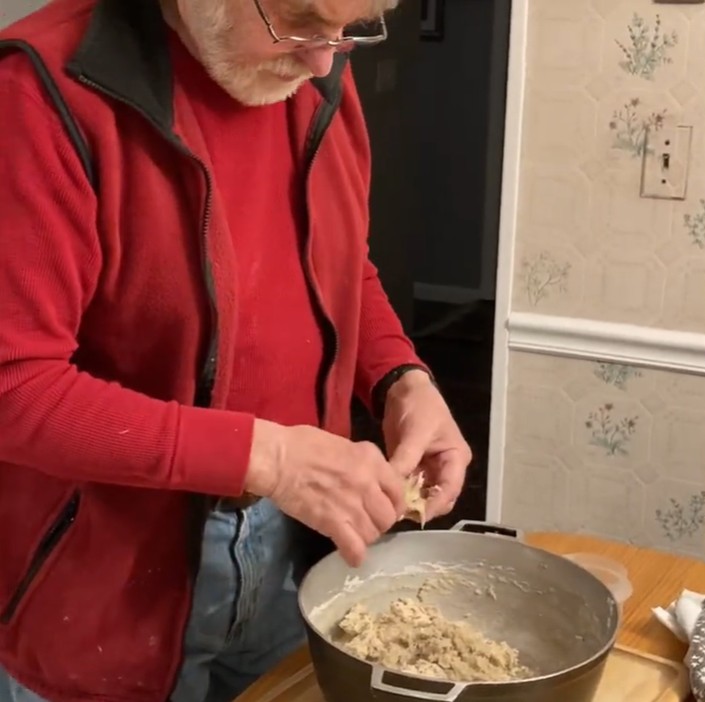
Modris Pukulis writes:
“The recipe for this bread comes from watching my mother making it – stopping her at times to measure what amount of ingredients were in hand. My mother was a great cook of her native Latvian food which we all ate while living at home (for me that was until I left for college at age 17). We all spoke Latvian as that was our first language learned at home and one that we were required to speak by and to our parents.
Not sure of the year but it was some time before I left for college that I decided that I wanted to learn how to make this bread – I had eaten other versions of this bread as made by Latvian friends of my parents but none were as good as hers.
I watched my mother through the whole two-day process, measuring ingredients as she went along, and taking notes (my memory not as good as hers). To my knowledge she never had a recipe but recalled everything from memory, though each time she made it, it tasted the same. We would eat it for breakfast with a slice of cheese or salami on top, and eat it for dinner with any soup she made. Though my favorite was the bread with my father’s smoked eel on top.
I similarly watched her make my favorite soup (biešu zupa – beet soup) and still make it whenever I make saldskābmaize (sourdough bread).
One thing I don’t know how to make,though I will try some day is speķu rauši.
Moe (or Mod as my sisters call me) Pukulis”
Butter, a slice of tomato, onion, and a little dill (Aivars Stūris)
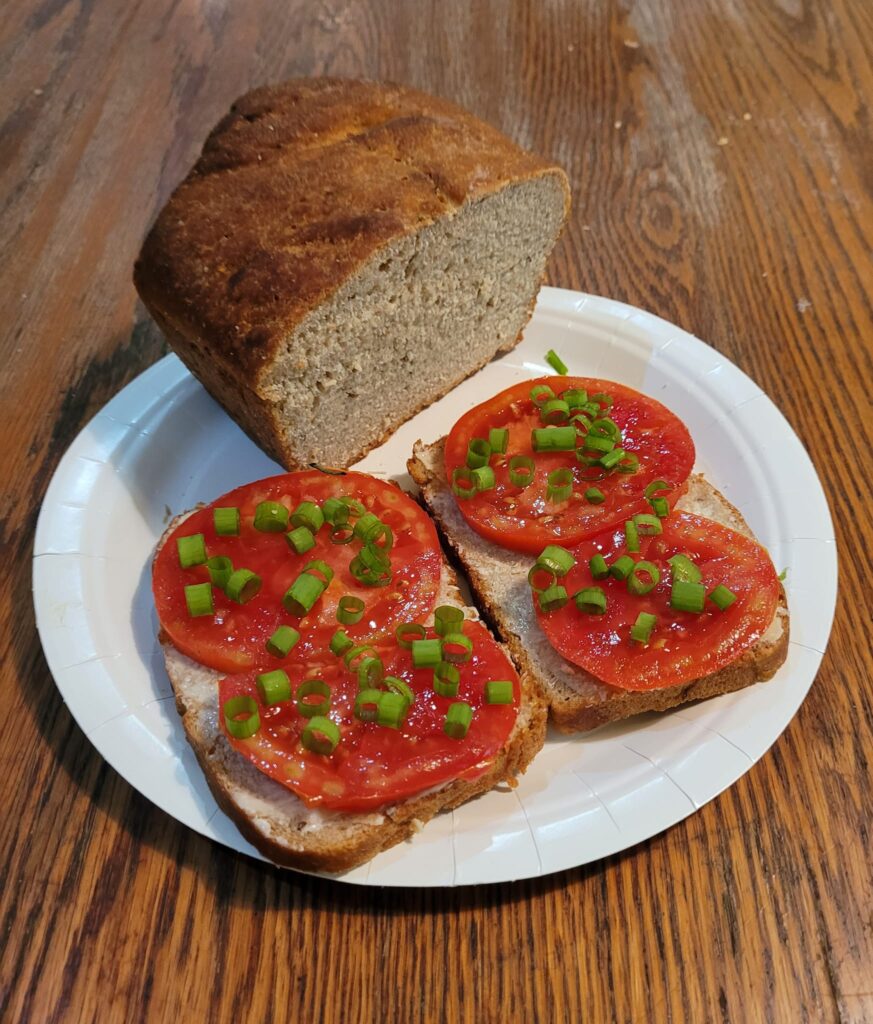
Aivars has been baking sourdough bread for many years, having taken over the tradition from his father when he retired. Today, Aivars bakes bread for himself and his family, as well as for American friends and nearby Latvian communities, including Garezers and the Grand Rapids Latvian retirees’ association.
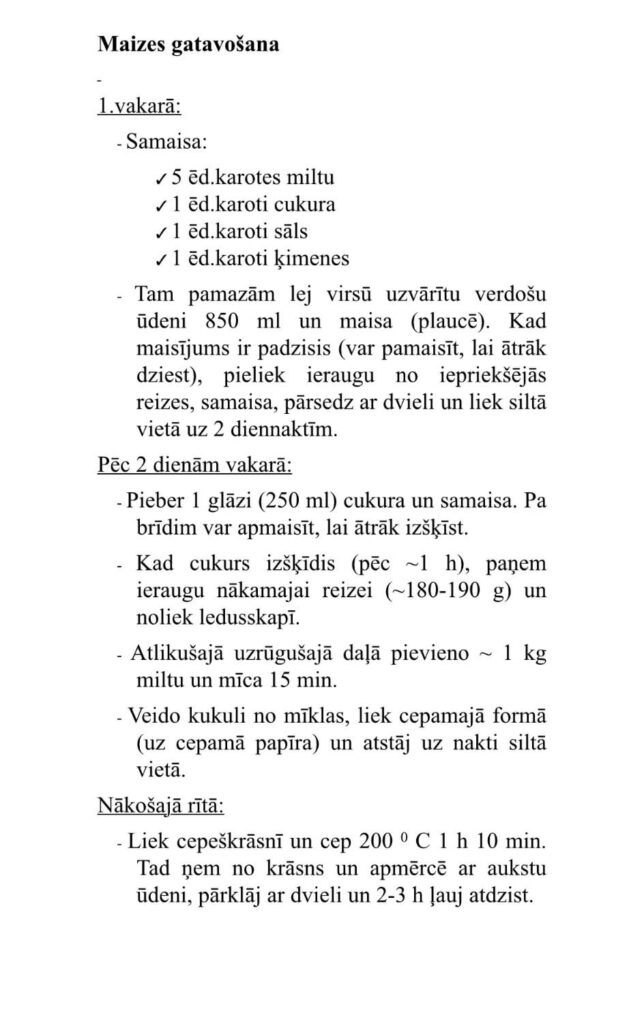
My Homemade Rye Bread (Recipe – Maija Irbēns)
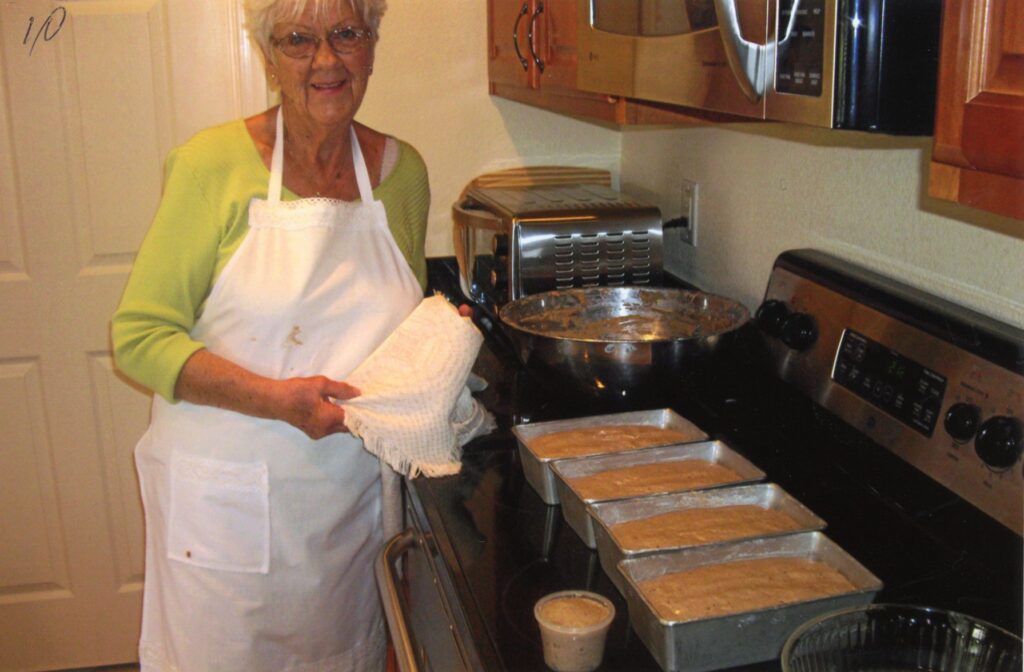
Maija Irbēns-Gilbert’s recipe for rye bread, which she always baked using sourdough starter inherited from her mother.
The true taste of childhood (Daiga and Andris Rūtiņš)
Daiga and Andris share their experience of how they began baking bread. Watch the video to learn what inspired them, what kind of starter they use, and how they found the flour that works best for them.
Australians say no, we only eat soup in the winter (Līva Ulmane)
Latvian Eats blogger Līva believes that soup is more of a summer dish, but in Australia the view is quite the opposite. In the video, she talks about how Latvian Eats came to be, which soups are the most popular in her home, and which ones are cooked in a small pot just for herself because no one else is interested.
Frikadeller soup – when you have a cold (Anda Cook)

“Autumn is here, and it’s time to make soups. In our home, a favorite is the so-called meatball soup: bring a large pot of water to a boil; once it’s boiling, add 1 quart of sliced carrots. While that cooks, clean and chop 1 quart of celery and add it to the pot. Keeping the soup simmering, add about half a small head of chopped cabbage, then another quart of chopped red potatoes. Add beef bouillon cubes to taste. Then gradually add small pre-made meatballs (I use a Swedish meatball recipe for the meat), and finally add one package of frozen green peas.
Serve the soup with a spoonful of sour cream and some finely chopped pickles added to each bowl.
It’s not uncommon for my husband or daughter to call me from work saying they feel like they’re coming down with a cold and asking whether we could have meatball soup for dinner.”