

Pashka in the shape of a hedgehog (Māra Siksna)
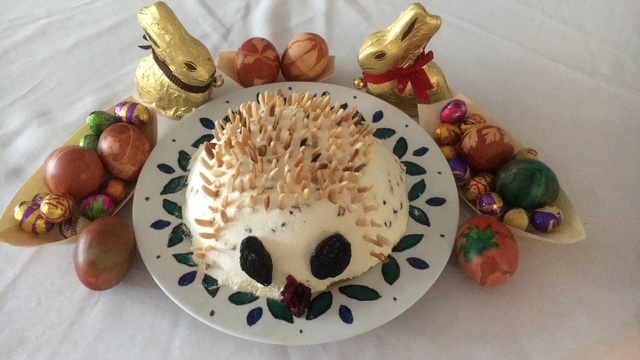
In Māra’s family, a special tradition of making pasha has developed for Easter. Each year Māra prepares uncooked pasha, while her daughter chooses to make the cooked version.
Pancake breakfast in Boston (Gints Grinbergs un Armands Ramoliņš)
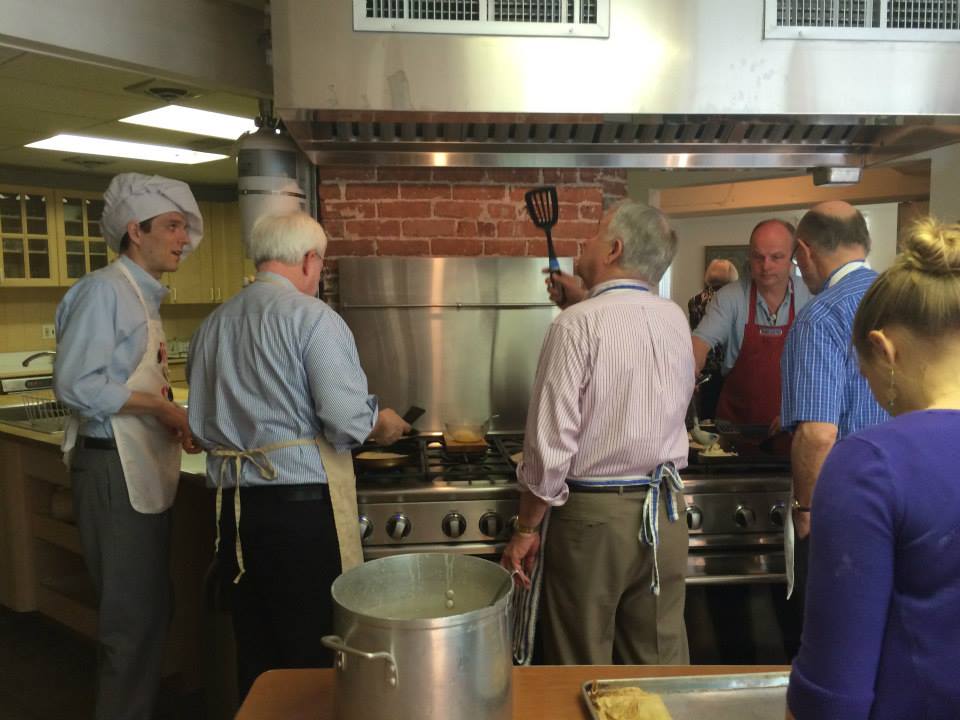
For about 30 years, the Latvian community in Boston has had a special Family Day tradition: making pancakes. However, this tradition has a small twist compared to usual—only the men make the pancakes! Listen to an interview with Gints and Armands, long-time Family Day pancake makers, about how this tradition began and how it continues today.
Pascha mold from the Lauri colony (Nata Meģe)
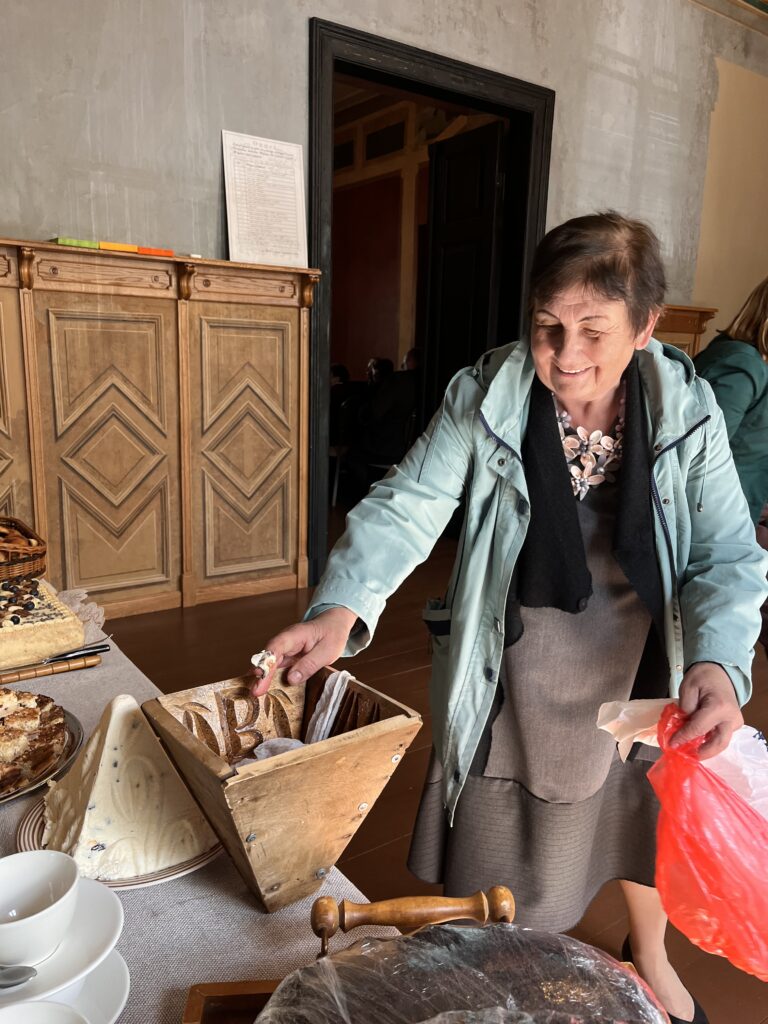
Laura Latvian descendant Nata Meģe shares her family’s pasha recipe and the wooden mold used to make pasha, which has been passed down in her family from generation to generation.
Childhood “buberts” (Signe Miķelsone)
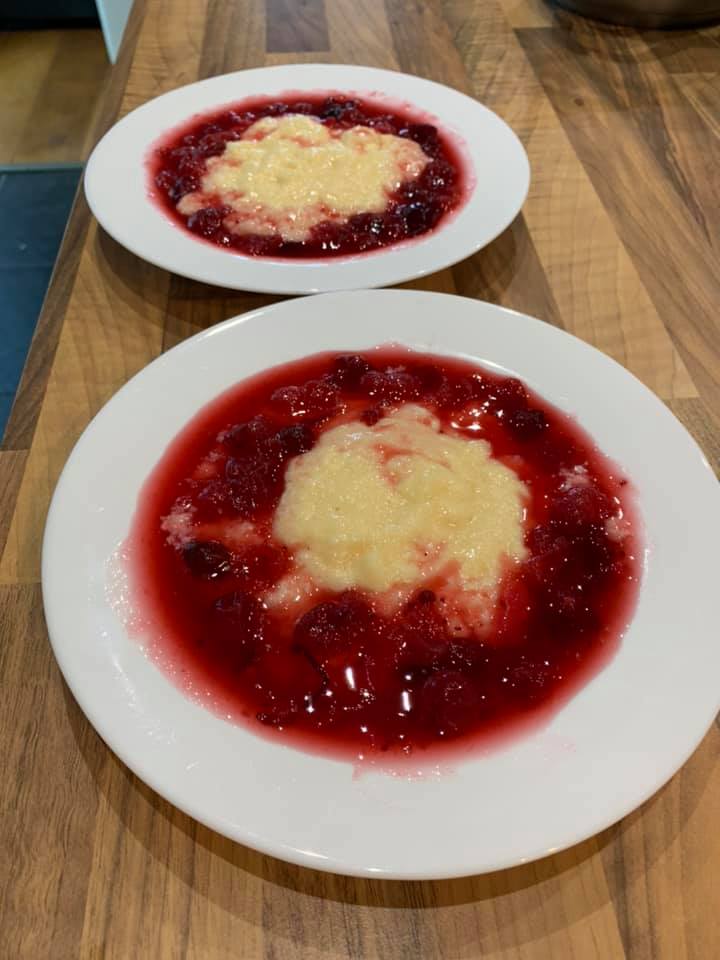
Signe has been living outside Latvia for 17 years. Although she enjoys foods from other cultures and rarely eats desserts, she sometimes still feels the urge to prepare buberts—a dessert she remembers well from her childhood.
Whisk until it is fluffy and airy (Maruta Bergs)
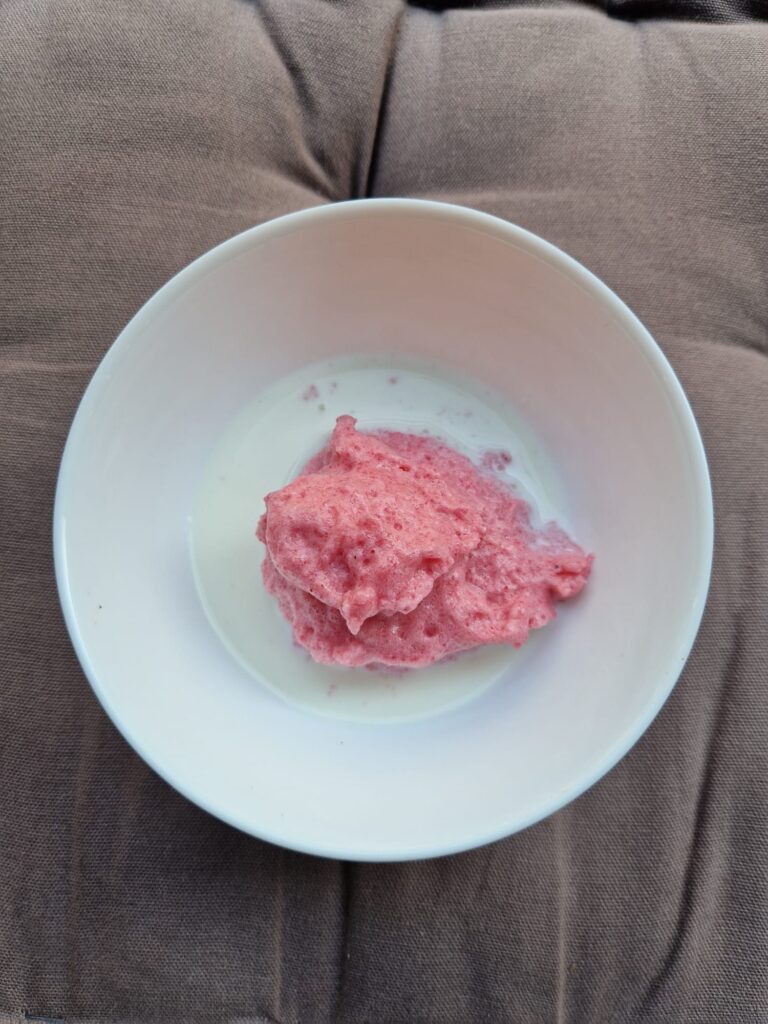
While living in Latvia, Maruta remembers how her mother and grandmother prepared a variety of sweet dishes during her childhood. After moving to America, she had to relearn everything from scratch! Watch the interview with Maruta Bergs, where she talks about how she prepares semolina mousse (debesmanna), fruit jelly (ķīselis), and pashka.
70-year-old wooden molds (Aija Ērgle)
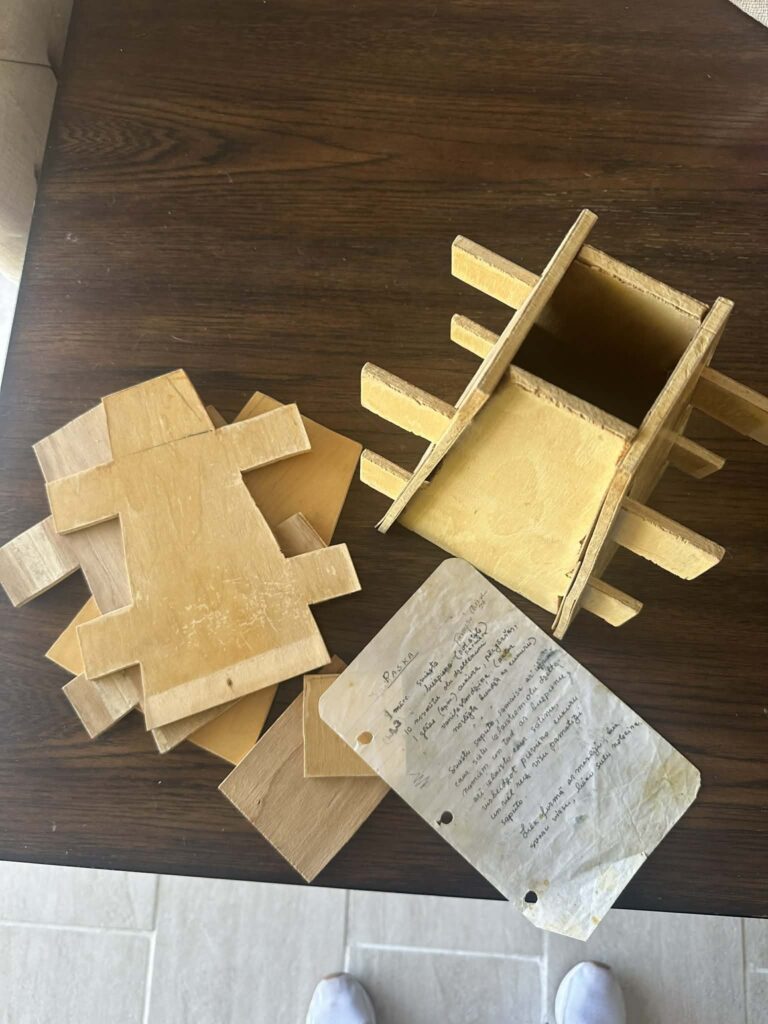
Aija’s mother always made paskha for Easter, using wooden molds that her husband had made about 70 years ago. Today, Aija continues this family tradition by preparing paskha according to her mother’s recipe and using the very same time-worn wooden molds, which carry both the taste of the holidays and cherished family memories.
One loaf was always given to the minister! (Jānis Grimbergs)
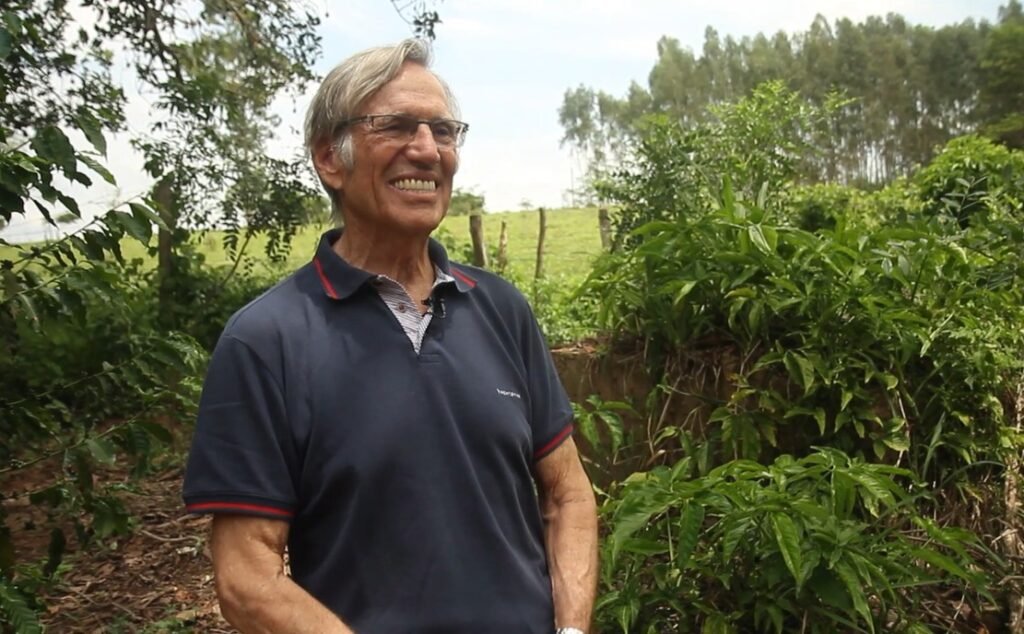
Jānis Grimbergs talks about bread baking in his childhood home — how loaves were baked on banana leaves, and how his mother managed to bake bread with the “real” taste, even though rye flour was not available. The interview with Jānis Grimbergs was given to the curator of the museum “Latvians in the World,” Marianna Auliciema, and researcher Brigita Tamuža during a museum expedition in Vārpa, Brazil, in 2013.
She mixed maize flour with sweet potato… (Luzija Osis)
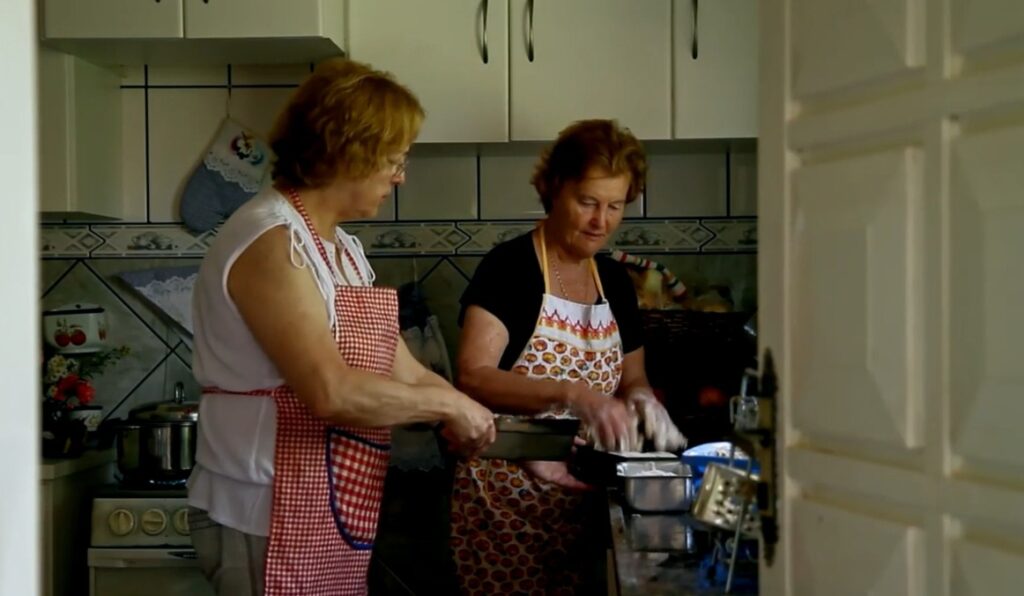
Luzija and Verners Osis, in their home in Vārpa, Brazil, demonstrate and talk about bread baking in their household in the past and today.
The interview was given to the curator of the museum “Latvians in the World,” Marianna Auliciema, and researcher Brigita Tamuža during a museum expedition in Vārpa, Brazil, in 2013. The video excerpt is from the museum’s documentary film “Vārpa: The Promised Land” (2017).
The Dambergs family kneading trough (Jaime Dambergs)
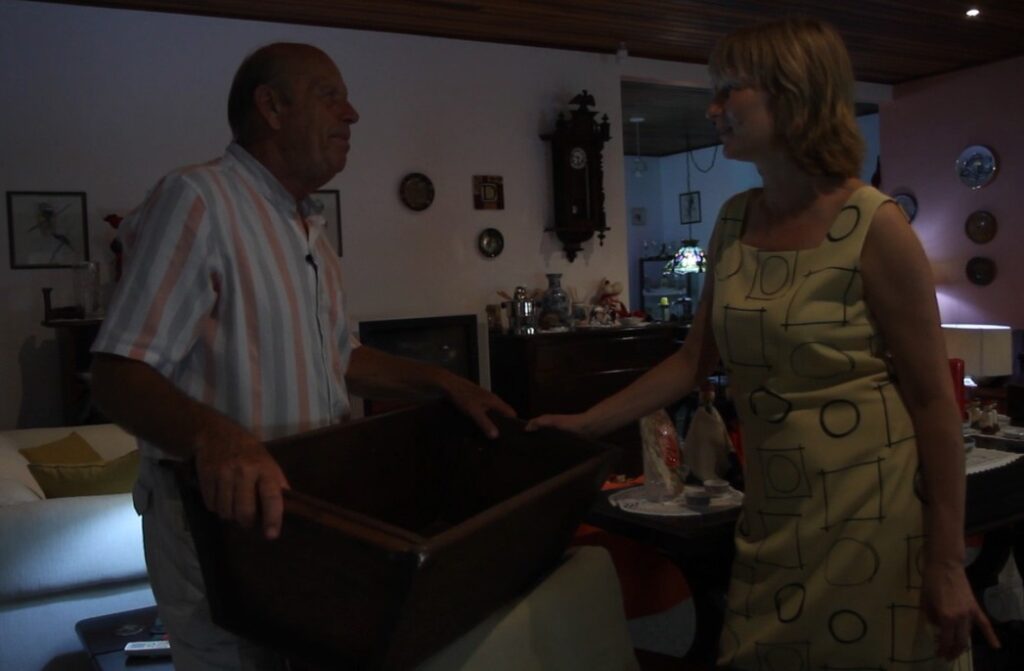
Jaime Dambergs talks about the “terribly” delicious bread that his mother used to bake on weekends in Brazil. The interview with Jaime Dambergs was given to the curator of the museum “Latvians in the World,” Marianna Auliciema, and researcher Brigita Tamuža during a museum expedition in Vārpa, Brazil, in 2013.
Her recipe relied on memory (Recipe – Modris Pukulis)
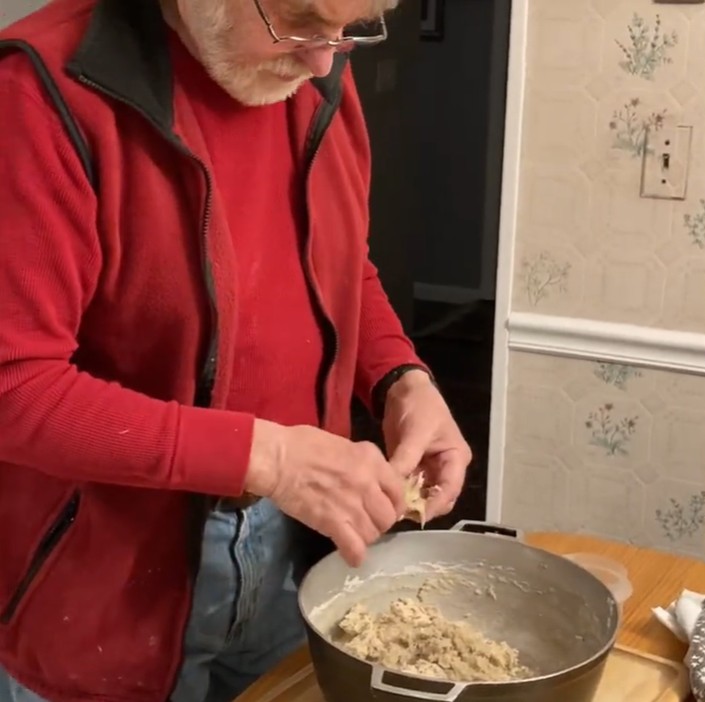
Modris Pukulis writes:
“The recipe for this bread comes from watching my mother making it – stopping her at times to measure what amount of ingredients were in hand. My mother was a great cook of her native Latvian food which we all ate while living at home (for me that was until I left for college at age 17). We all spoke Latvian as that was our first language learned at home and one that we were required to speak by and to our parents.
Not sure of the year but it was some time before I left for college that I decided that I wanted to learn how to make this bread – I had eaten other versions of this bread as made by Latvian friends of my parents but none were as good as hers.
I watched my mother through the whole two-day process, measuring ingredients as she went along, and taking notes (my memory not as good as hers). To my knowledge she never had a recipe but recalled everything from memory, though each time she made it, it tasted the same. We would eat it for breakfast with a slice of cheese or salami on top, and eat it for dinner with any soup she made. Though my favorite was the bread with my father’s smoked eel on top.
I similarly watched her make my favorite soup (biešu zupa – beet soup) and still make it whenever I make saldskābmaize (sourdough bread).
One thing I don’t know how to make,though I will try some day is speķu rauši.
Moe (or Mod as my sisters call me) Pukulis”