“Kundziņš” Rasols (Inta Gertners)
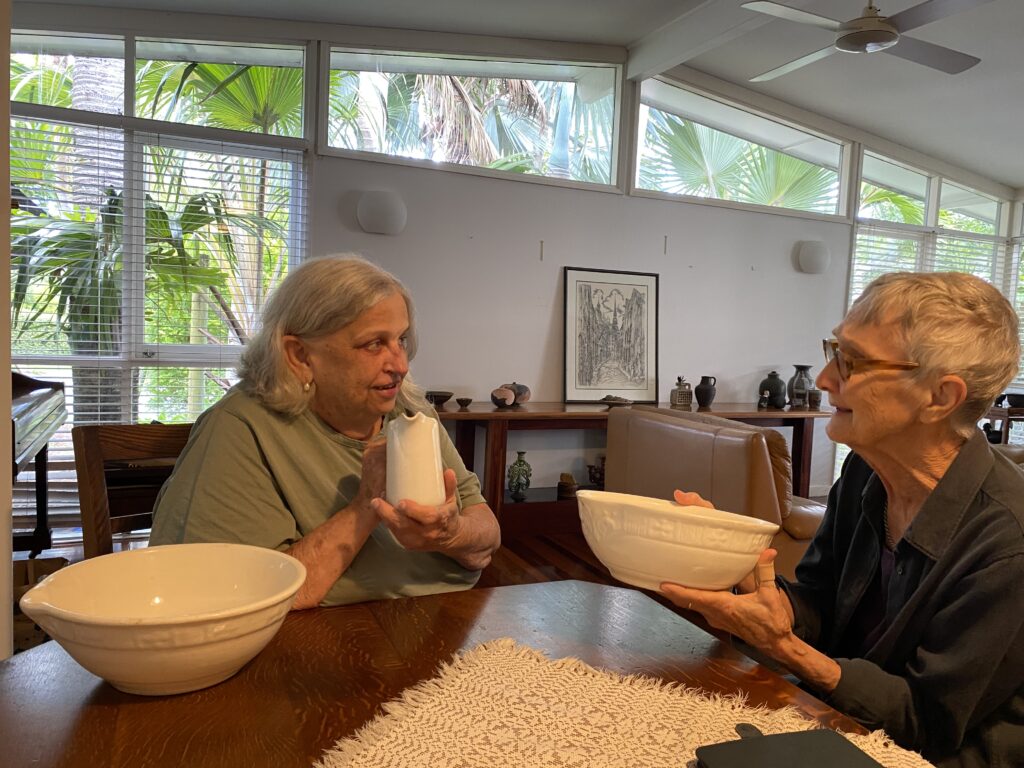
In Inta Gertners’ family, there is a very unusual rasols recipe that she inherited from her grandmother, Milda Veidis (b. 1901).
First You Have to Decorate the Bowls! (Maruta Bergs)
Maruta shares her “tips and tricks” for making a successful aspic.
Latvians and Cow Heads (Jānis Dzenis)

Fragment from an interview with Jānis Dzenis (1918–2021) about life in the Palma collective farm in Brazil in the first half of the 20th century.
Aspic From a Sour Cream Container (Selga un Edgars Apse)
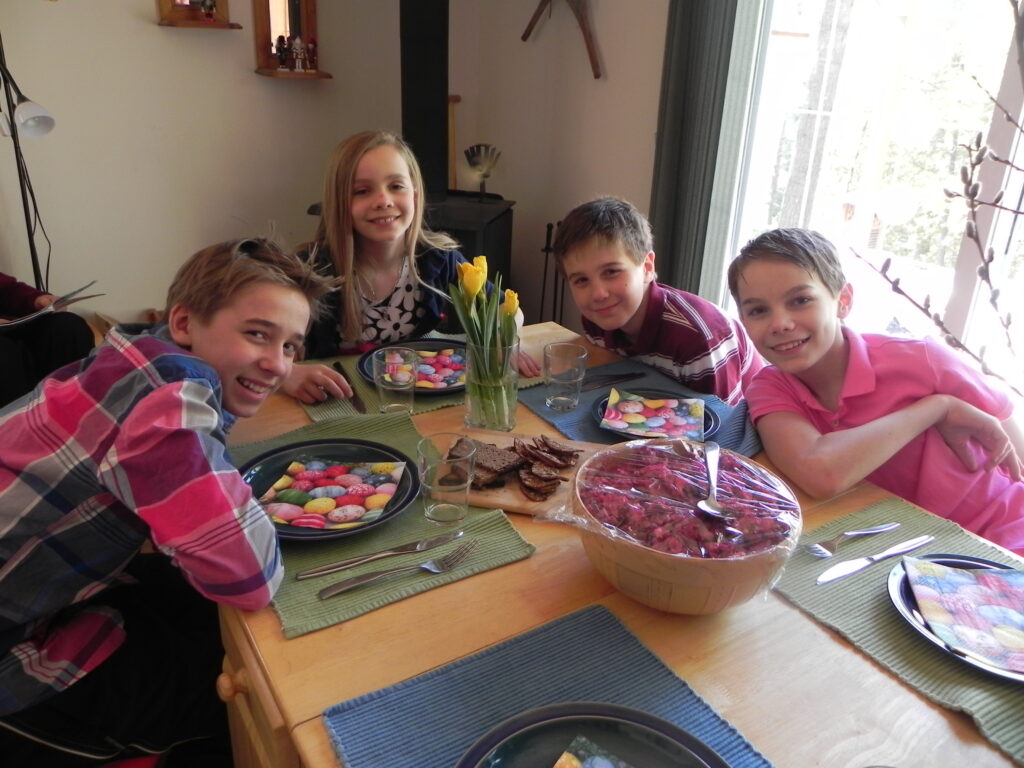
Selga and Edgars share their family’s rasols recipes. Edgars also talks about the aspic and cold buffet at the Latvian Centre in Toronto, as it was during the time he worked there as a catering staff member.
I Even Had a Second Slice! (Ilze Kancāns)
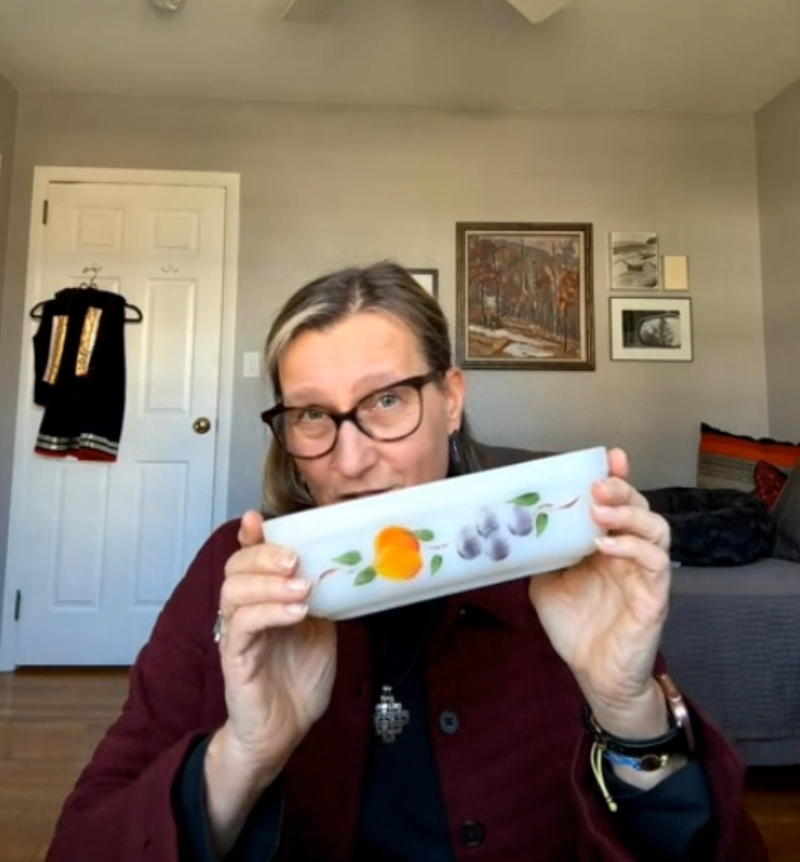
Ilze talks about her mother’s special aspic dish and her memories of the family Christmas table. Although she couldn’t eat aspic as a child, Ilze recently discovered that she now likes it and has decided to try making it next Christmas.
We’re Not Having Rasols?! (Astrīde Cīrule)
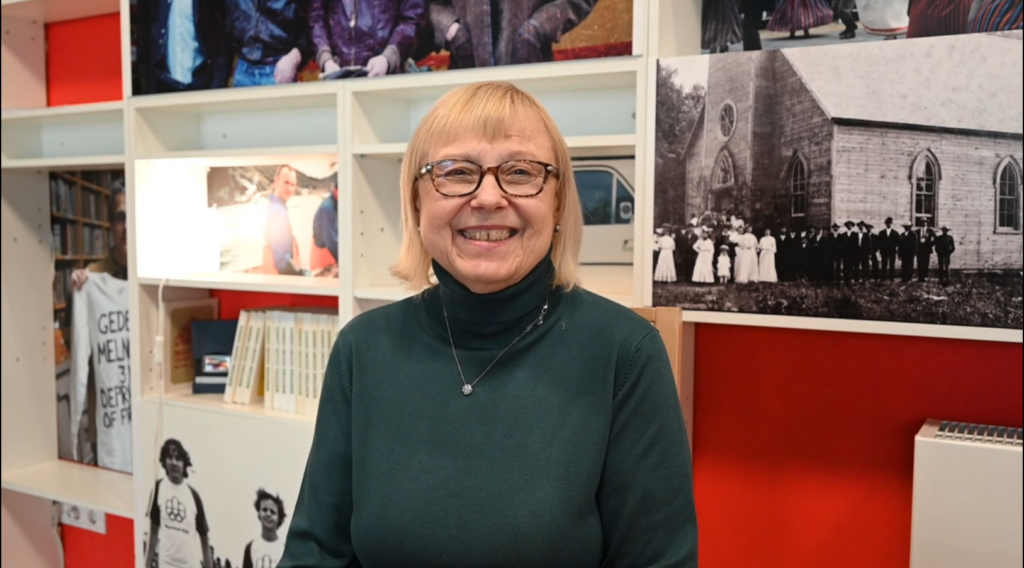
Astrīde Cīrule tells about rasols as an essential addition to her family festive table in the US.
Some People Don’t Want To Taste It! (Ingrīda Hawke)

Ingrīda, who sets the tables for Latvian events, talks about people’s attitude toward “meat in jelly” — and where in Melbourne you can find the best cuts of meat to make it.
I Didn’t Know Rasols Is Made Without Beets! (Dārija Teika Gulēna)
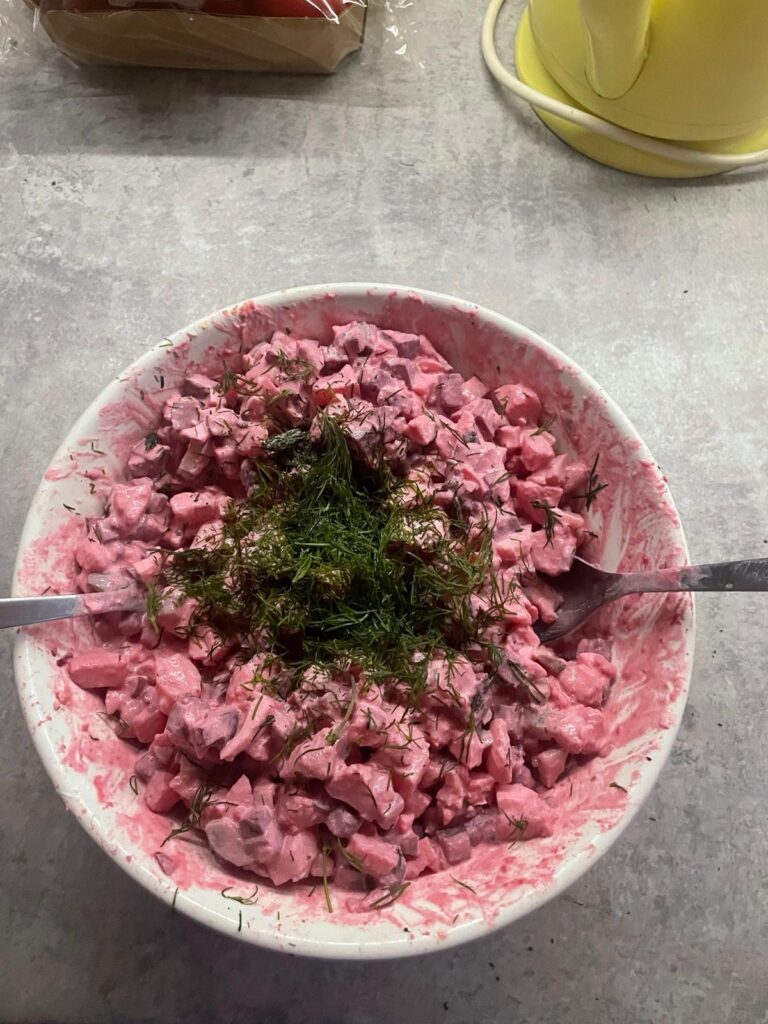
Dārija talks about her family’s rasols recipe: without herring, without meat, and with beets. Listen to the interview to learn more about her rasols—and about her experience with aspic!
Capers in Rasols Is a Game changer! (Elīna Kursīte)
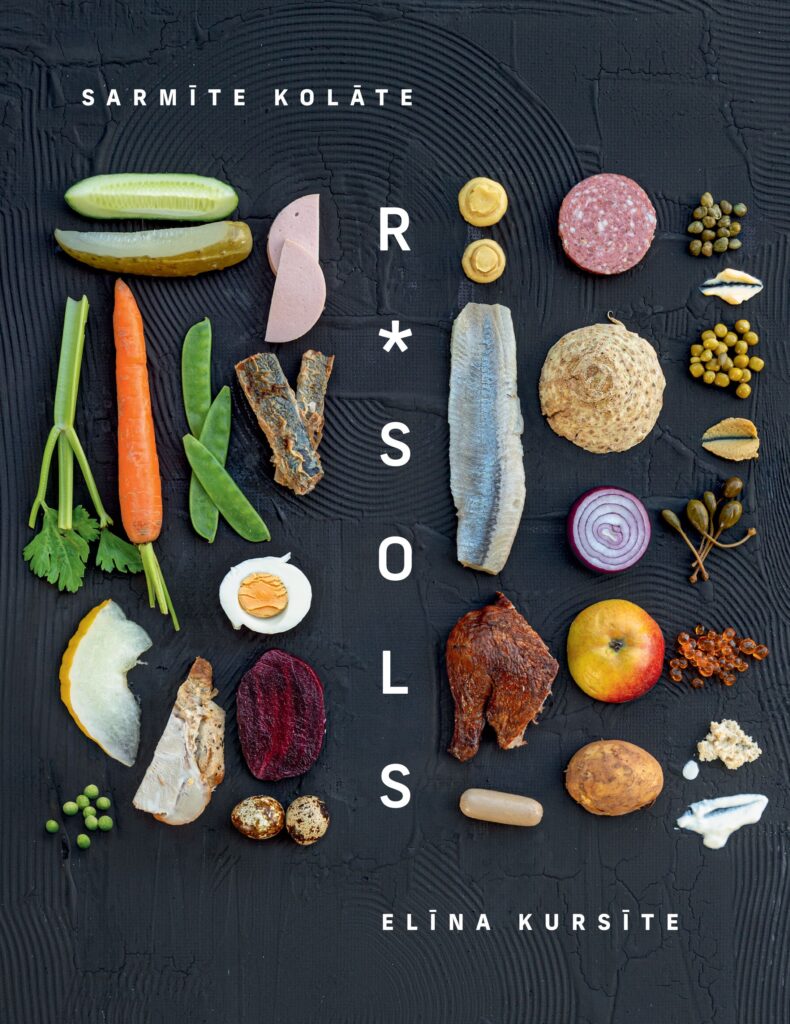
The book “R*SOLS”, by Sarmīte Kolāte and Elīna Kursīte, was launched in Riga in 2014. This informative publication examines rasols from many perspectives. In this interview Elīna Kursīte talks about how the book was created, what ingredients can be put into rasols, and also answers the most important question: rAsols or rOsols?
Pashka in the Shape of a Hedgehog (Māra Siksna)
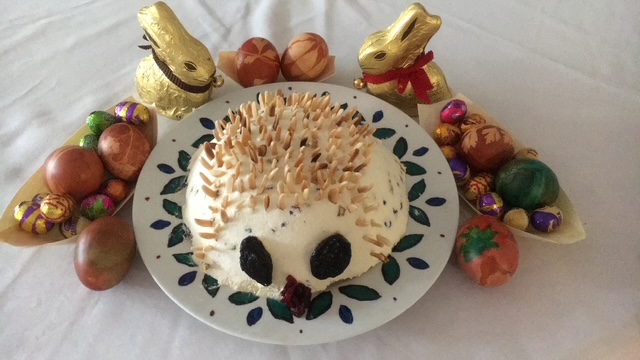
In Māra’s family, a special tradition of making pasha has developed for Easter. Each year Māra prepares uncooked pasha, while her daughter chooses to make the cooked version.