Australians Only Eat Soup in the Winter (Līva Ulmane)
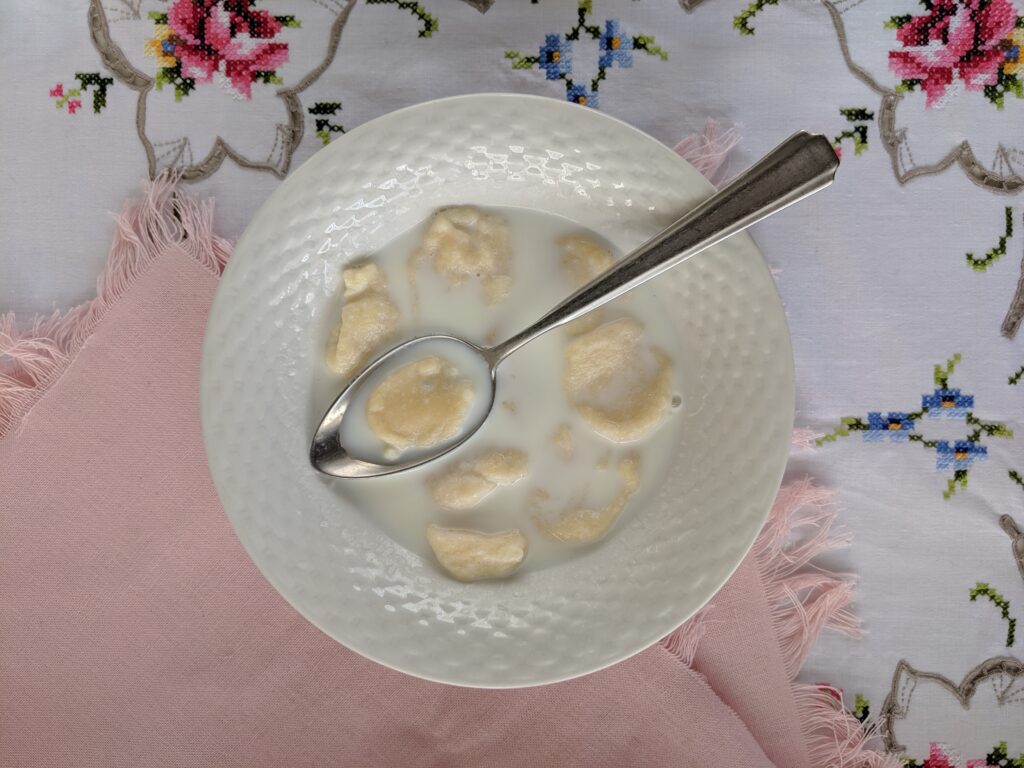
Latvian Eats blogger Līva believes that soup is more of a summer dish, but in Australia the view is quite the opposite. In the video, she talks about how Latvian Eats came to be, which soups are the most popular in her home, and which ones are cooked in a small pot just for herself because no one else is interested.
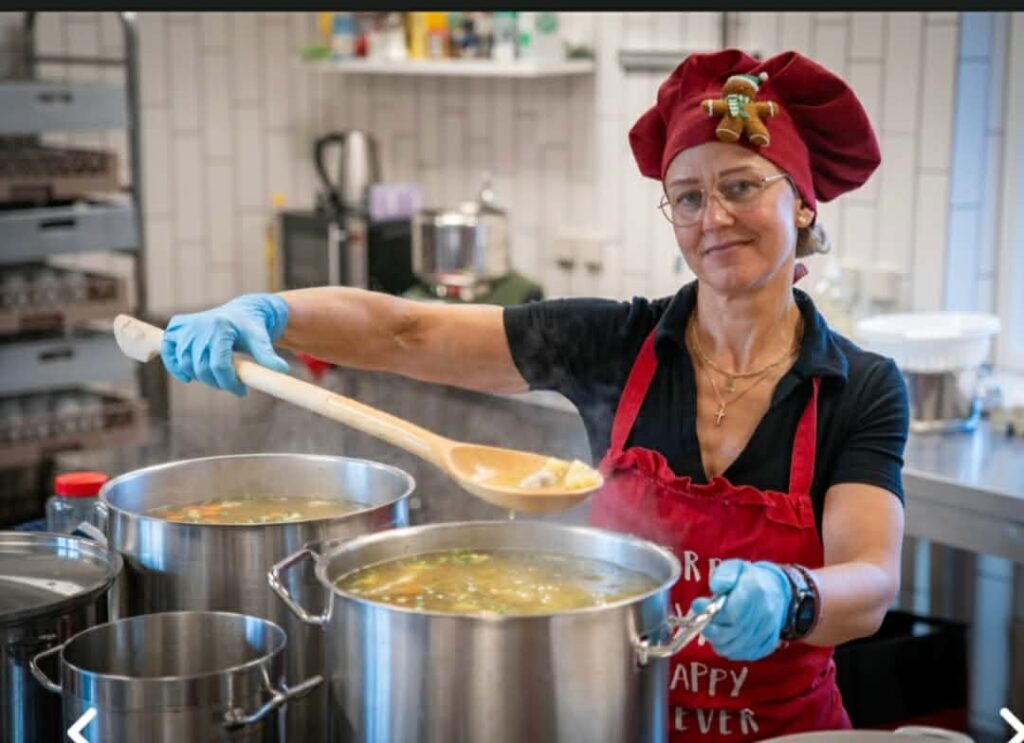
TLP Soups!
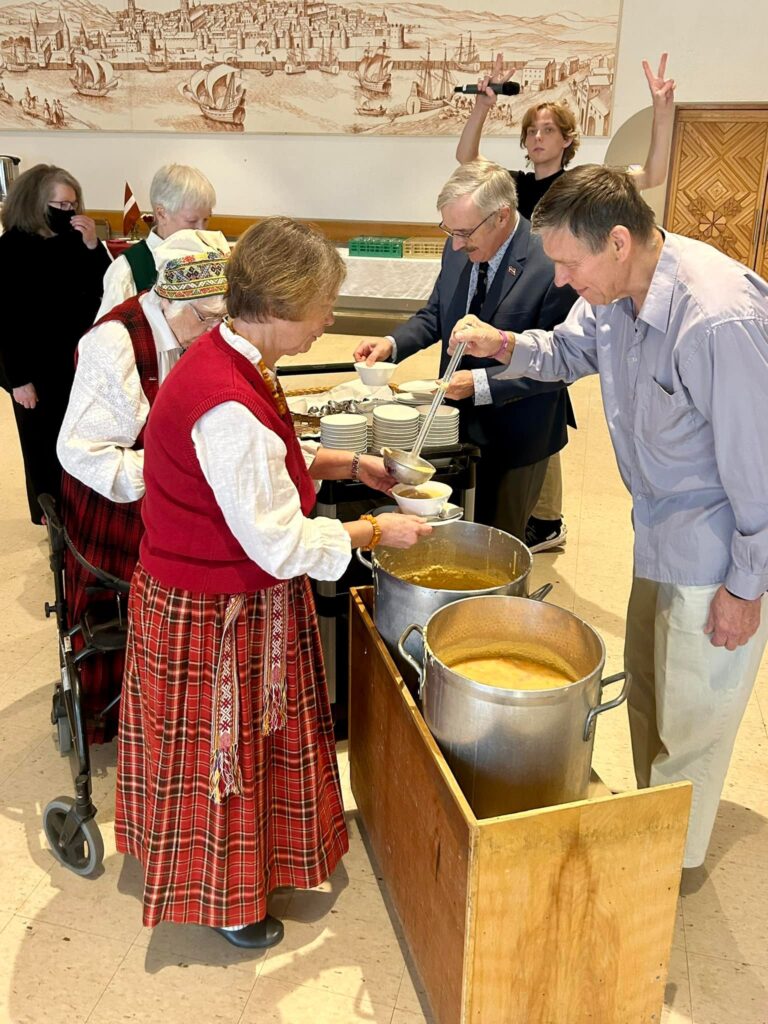
“Thirty times a year, for TLP’s (Toronto Latvian Pensioners) weekly gatherings, Toronto chef Ingo Kārkliņš prepares delicious soups. We get to enjoy both traditional Latvian soups—meatball soup, sauerkraut soup, and cold soup—as well as soups from other parts of the world, such as Italian minestrone and Mexican sopa de lima. As is typical with Latvians, even exotic soups are sometimes garnished with dill. And certain soups simply are not eaten without sour cream!”
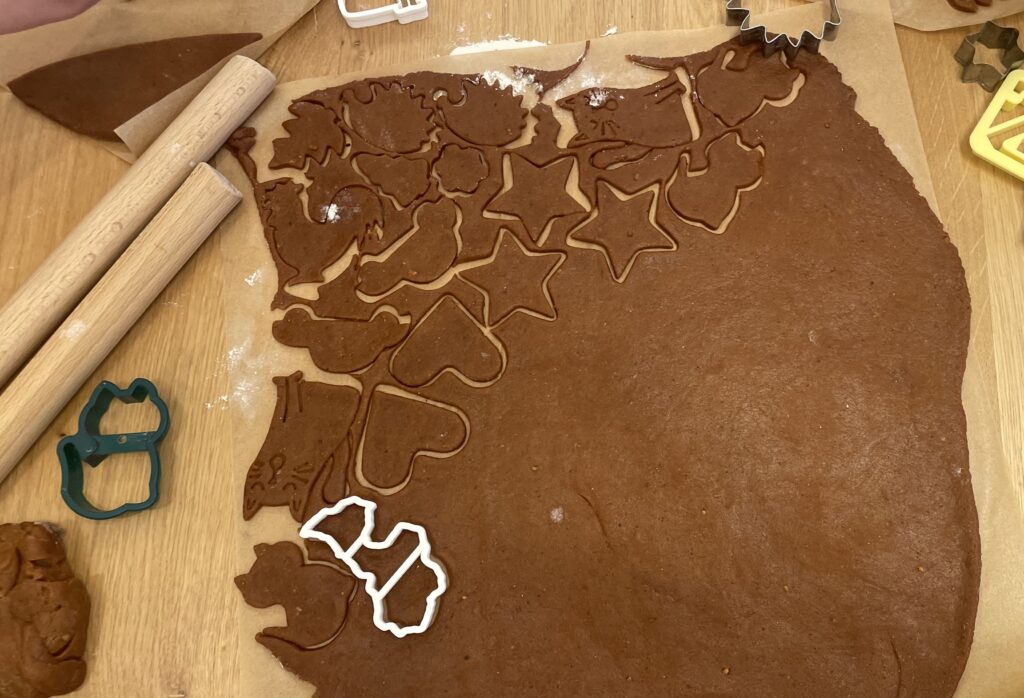
Crystallised ginger piparkūkas (Maija Liiv)

My mother Lauma taught me to make piparkukas when I was a little girl, and I still make them now that I am 75.
I was born in Brisbane, Australia, in December 1950, and lived there all my life until moving 100km north to the Sunshine Coast in 2016.
I still use my mother’s piparkuka recipe, with only a couple of variations. Where my mother used Golden Syrup, I now sometimes use Treacle and brown sugar. We always used to put a slivered almond in the centre of each piparkuka, like generations of my family in Latvia have always done, but now that we live in a ginger-growing area (Buderim) we are placing a small piece of crystallised ginger in the centre of each piparkuka, and find it delicious.
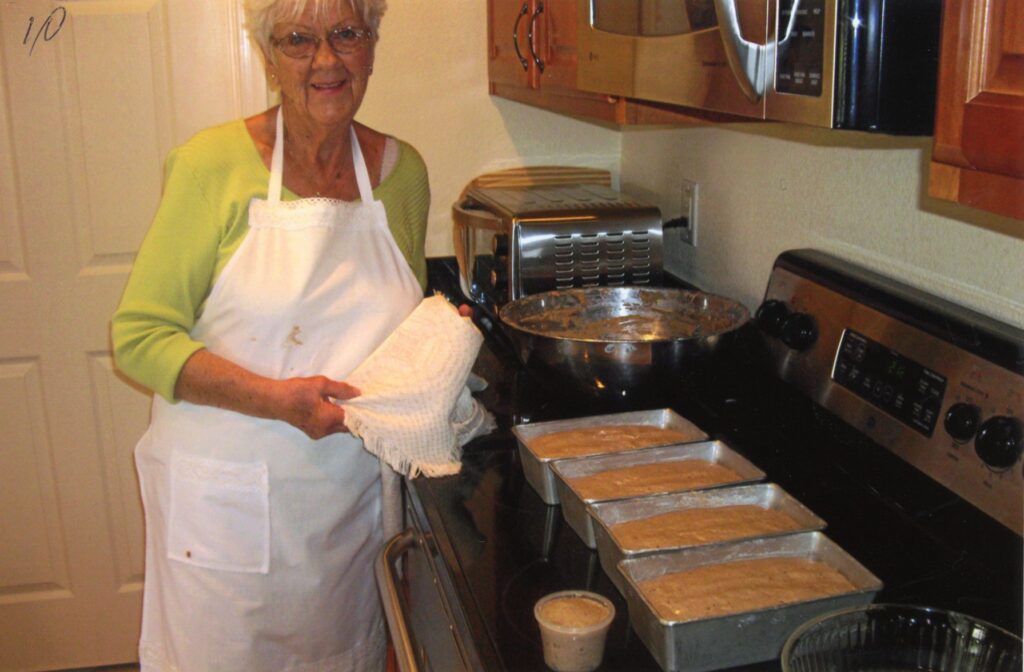
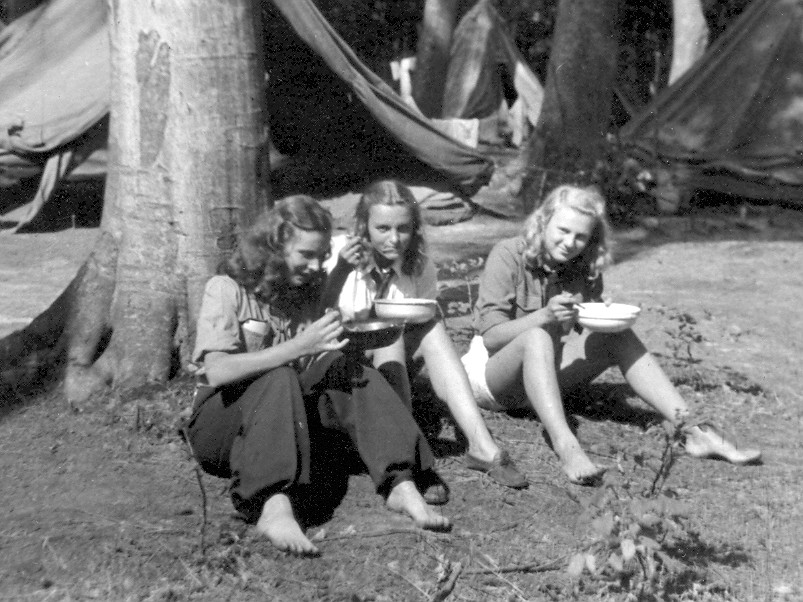
Pīrāgi Making Outside Latvia: Photos From the Collection of the Museum “Latvians Abroad”

This album features photographs of pirāgi making in various corners of the world and across different periods of time.
It’s Not Christmas Without Pīrāgi (Anda Cook)

For as long as I can remember, pīrāgi held a place of honor at the Christmas table, and also at Easter. The necessary ingredients were not always easy to find, but my mother made sure to get them in time. In Cleveland, she had discovered a stall at the Westside Market, where she would go after work on Fridays. Her pīrāgi were not only delicious, but she always tried to make them very small, with plenty of meat filling.
My mother has been gone for a long time, and together with my daughter Lisa and granddaughter Greily, we have tried various recipes – but none are quite like my mother’s pīrāgi, neither in appearance nor in taste. The closest we’ve come was a few years ago. We use Dzidra Zeberiņa’s Ģimenes pavards (with a few variations – ed.).
It’s a lot of work, but we listen to Latvian folk songs and linger over memories. Sometimes, it even happens that a pīrāgs gets burned at both ends! And, of course, it’s not Christmas without pīrāgi.
The Decorating Process Takes Seven Hours (Anita Kupcis-Clifford)

Anita writes: “After seeing some videos of cookies being decorated I was intrigued. That was seven years ago and since then I have decorated many cookies. My sense of design for my cookies might be attributed to my years of embroidery, specifically Latvian designs.
My piparkukas are different from my mom’s, hers were rolled very thinly and glazed with egg yolk. I recall when my mother would come for visits with a suitcase full of piparkukas, pirags and pounds of butter. I started making both when my mother was no longer able to do it.”
Grandma’s Pīrāgi in Rome (Austra Muižniece)

Austra Muižniece tells about baking Oma’s pīŗagi in Rome:
“They turn out quite well, but for me the dough made with Italian tipo 00 flour tastes a bit sweeter. I didn’t have caraway seeds, and pancetta or guanciale are different from our smoked meats. But at least the yeast worked perfectly — the dough rose beautifully, which made me happy. Complete nostalgia, feels like grandma’s food.”
Communal Baking in Shanghai (Ilma Wilkinson)

Ilma Wilkinson: “I bake piparkūkas every year — for me, Christmas just isn’t Christmas without “real” Latvian gingerbread. We used to bake together as a family, but when we moved to Shanghai in 2004, we began inviting friends and colleagues to join the tradition — Chinese, Australians, Europeans. In the early years, finding all the necessary spices was more difficult, and some I even had to grind myself.
In 2013, for the first time, the bakers were only Latvians, and the joy of being together was so great that from then on we continued baking gingerbread specifically with the Latvian crowd. We soon added pīrāgi to the tradition as well. Many friends lived in student dorms or apartments without an oven (common in Chinese kitchens), but we were renting a newer apartment and had one available. For those who couldn’t join on the planned baking day, I handed out little portions of piparkūkas dough (which my husband Andrew jokingly called “hashish blocks”) so they could bake at home. By December, our office reception had even gotten used to people dropping by to pick up a lump of dough.
In 2020, we had the largest group ever — because of COVID, many couldn’t travel home for the holidays. That also turned out to be our last Christmas season in Shanghai, as we returned to Australia in October 2021.
To my great joy, I recently received a message from a friend who still lives in China — two years ago, the Latvian Embassy allowed the community to use its kitchen and oven for baking pīrāgi. The new ambassador’s spouse has embraced this as a tradition, and this year, on the first Sunday of Advent, Latvians in Shanghai once again gathered to bake Christmas treats together!”
I Wouldn’t Offer These to Pīrāgi Purists! (Maija Hinkle)

The founder of the Latvians Abroad Museum and Research Center museum shares the story of her family’s pīrāgi baking tradition. The Hinkle family includes several vegetarians, so they have had to invent various filling variations that everyone would enjoy. The family’s creative approach to pīrāgi doesn’t stop at the filling – for convenience, they use store-bought bun dough, and a ravioli press is used to shape the pīrāgi!
Pīrāgi as the Feeling of Home (Līva Ozola)

Līva, a home economics teacher in New Zealand, says that pīrāgi give her a feeling of warmth and home. She has treated her colleagues at school to pīrāgi and has even included making them as an assignment for her students in cooking class…