

I Didn’t Know Rasols Is Made Without Beets! (Dārija Teika Gulēna)
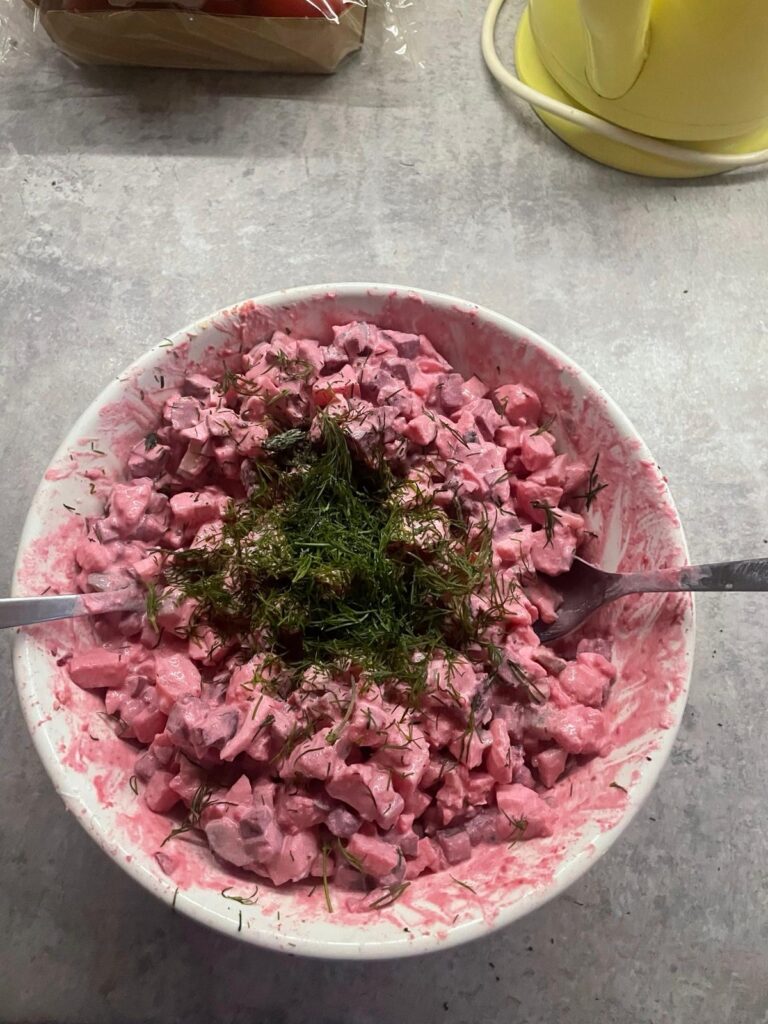
Dārija talks about her family’s rasols recipe: without herring, without meat, and with beets. Listen to the interview to learn more about her rasols—and about her experience with aspic!
Pashka in the Shape of a Hedgehog (Māra Siksna)
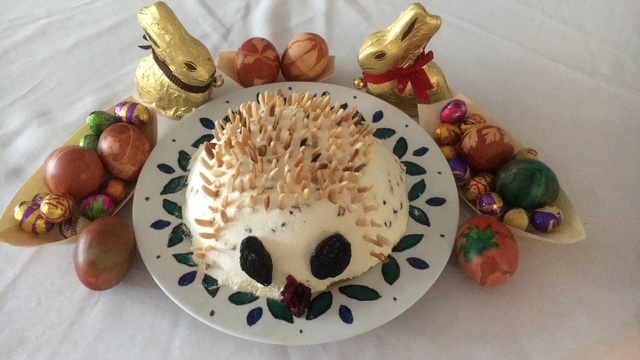
In Māra’s family, a special tradition of making pasha has developed for Easter. Each year Māra prepares uncooked pasha, while her daughter chooses to make the cooked version.
Flower Pot Pashka (Laima Grāmatiņa)
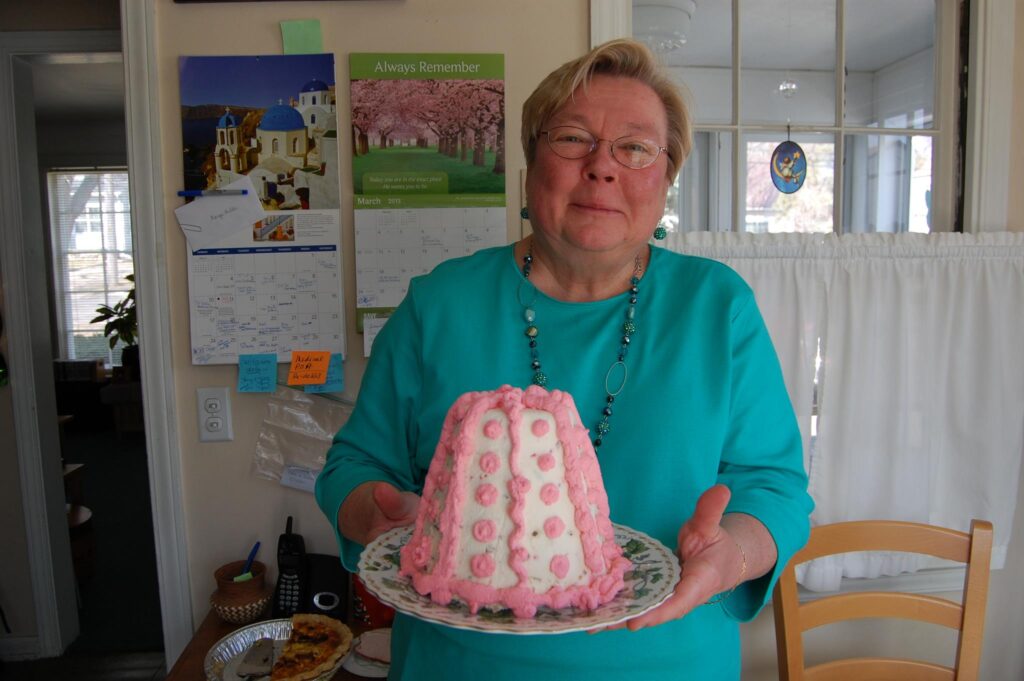
Living in America, Mirdza Grāmatiņa began making paskha at Easter using a recipe she found in a magazine. Mirdza’s daughter Laima adopted this tradition, and every Easter Laima tries to make paskha using that same recipe. She shapes the paskha by using a flower pot.
“Buberts” From Grandmother’s Wartime Refugee Cookbook (Andris Valdmanis)
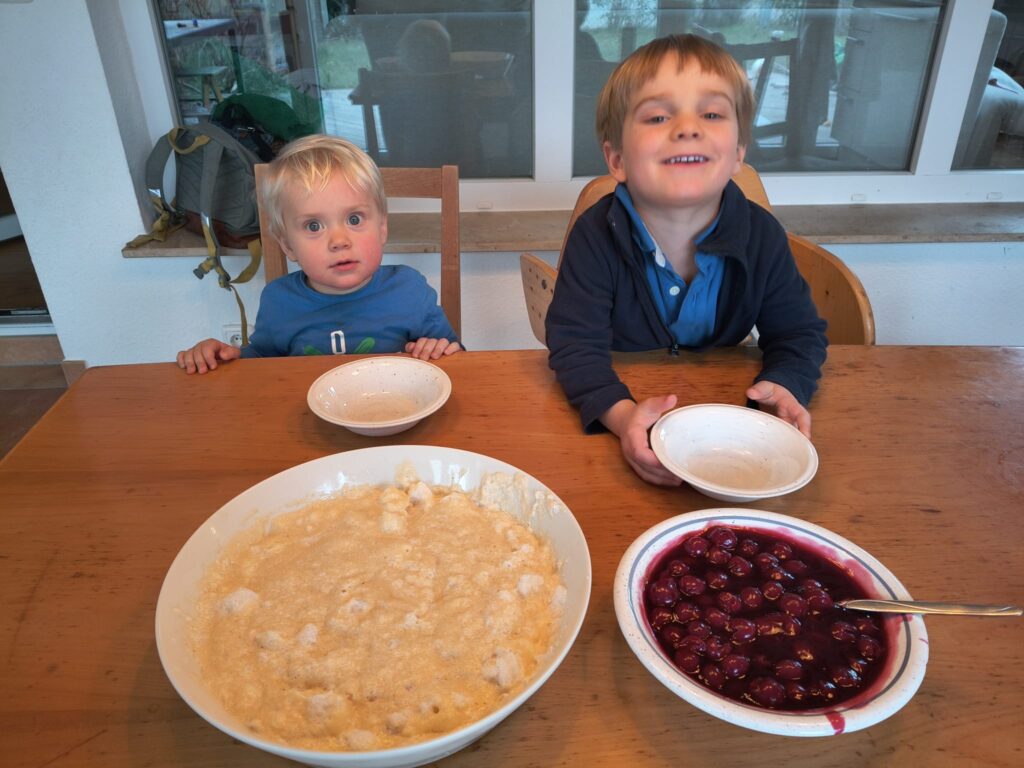
Andris prepared buberts together with his four-year-old son Māris, using a recipe from his grandmother’s wartime-refugee cookbook, so there would be something tasty ready when little brother Lauris woke up from his nap. Before long, Lauris was awake, and both brothers eagerly prepared to enjoy the freshly made buberts.
Our House Smells Like Latvia (Līga Druka-Smalka)
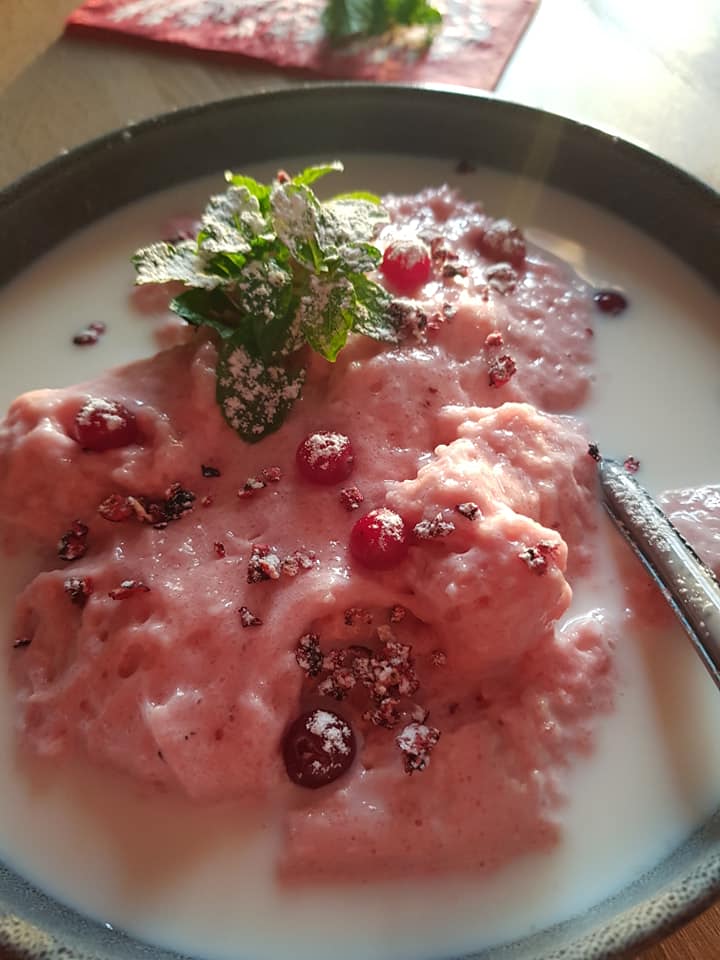
Līga is from Latvia. Before moving to the United Kingdom, she lived in Aizkraukle, a town that is still her second home. Now she lives in Wales, in Cardiff, yet Latvia is always in her heart.
Pancake Breakfast in Boston (Gints Grinbergs un Armands Ramoliņš)
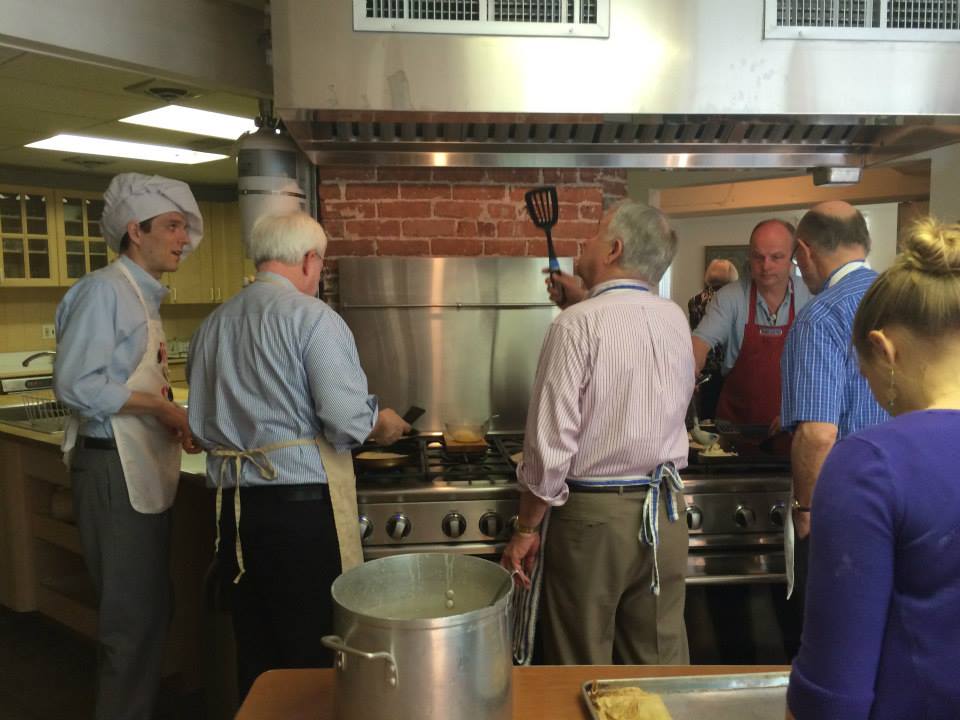
For about 30 years, the Latvian community in Boston has had a special Family Day tradition: making pancakes. However, this tradition has a small twist compared to usual—only the men make the pancakes! Listen to an interview with Gints and Armands, long-time Family Day pancake makers, about how this tradition began and how it continues today.
Pascha Mold from the Lauri Colony (Nata Meģe)
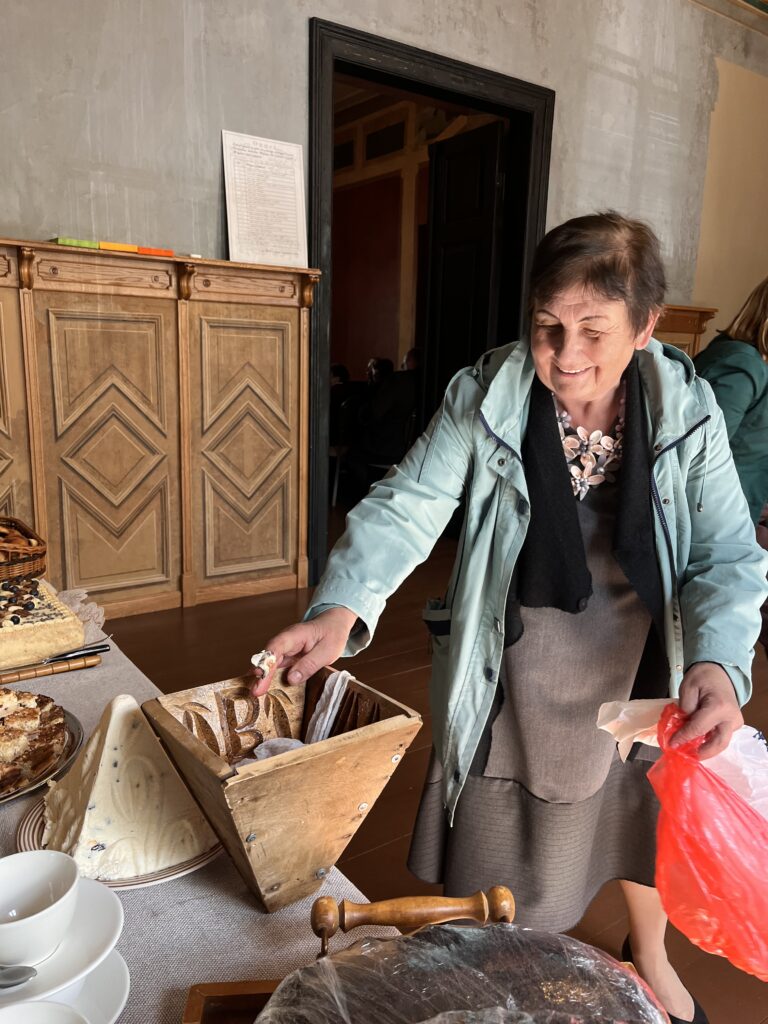
Laura Latvian descendant Nata Meģe shares her family’s pasha recipe and the wooden mold used to make pasha, which has been passed down in her family from generation to generation.
“Debesmanna” in Vanilla Sauce (Silvija Gurtiņš Mežgailis)
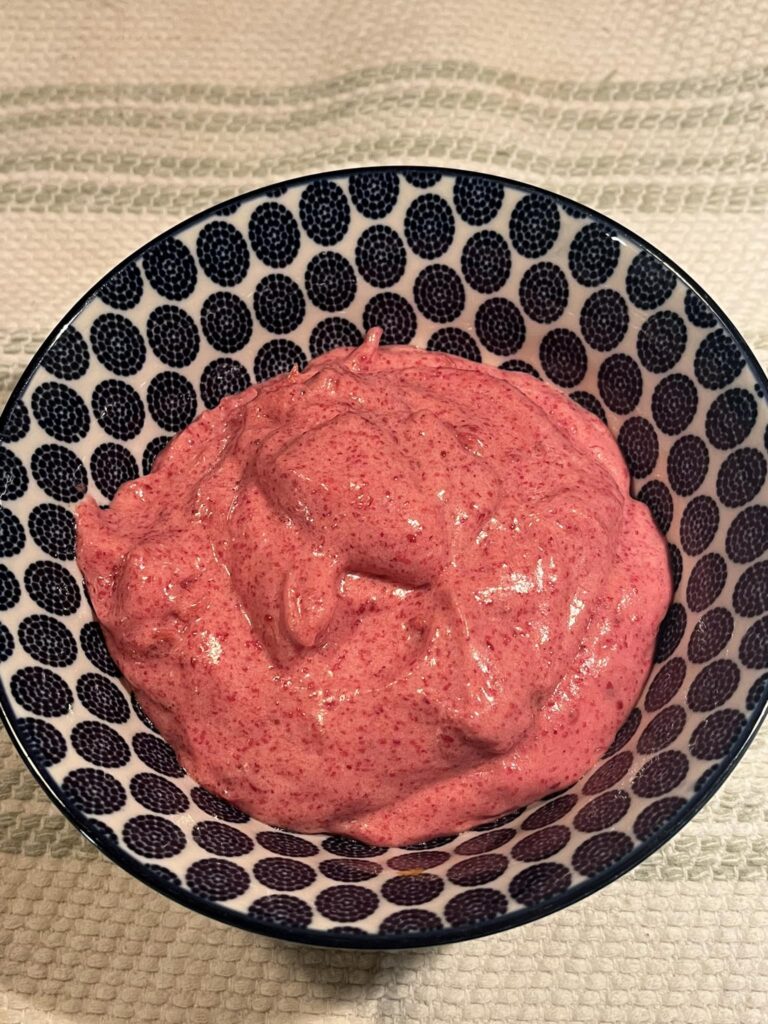
Silvija says that her mother and mother-in-law used to make debessmanna in the traditional way — first boiling the berries, then pressing them through a sieve to obtain a smooth mixture.
Childhood “Buberts” (Signe Miķelsone)
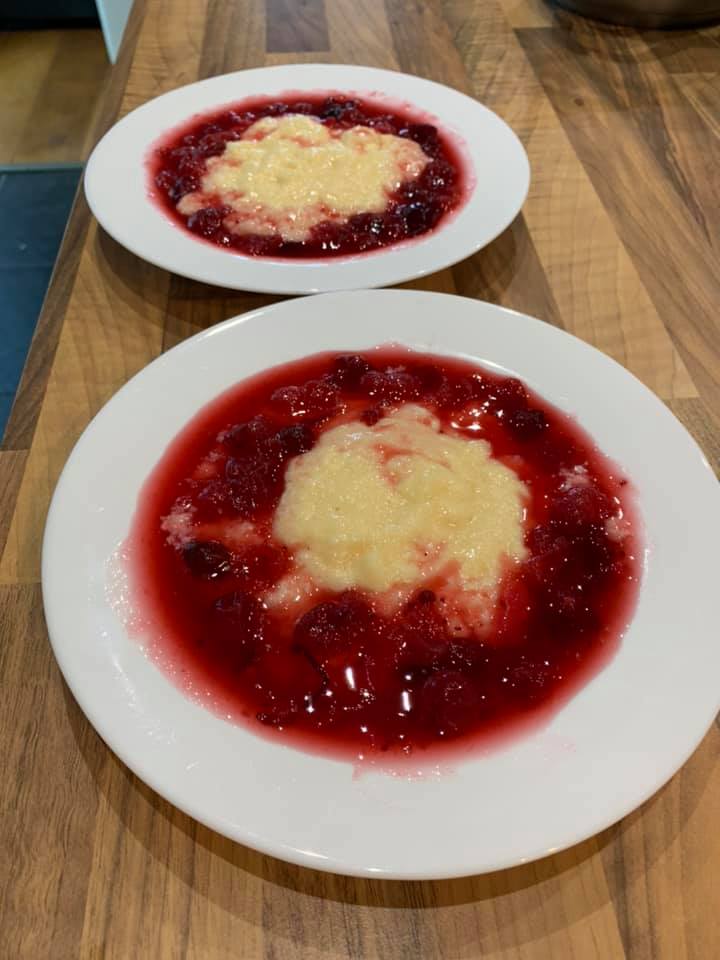
Signe has been living outside Latvia for 17 years. Although she enjoys foods from other cultures and rarely eats desserts, she sometimes still feels the urge to prepare buberts—a dessert she remembers well from her childhood.
70-Year-Old Wooden Molds (Aija Ērgle)
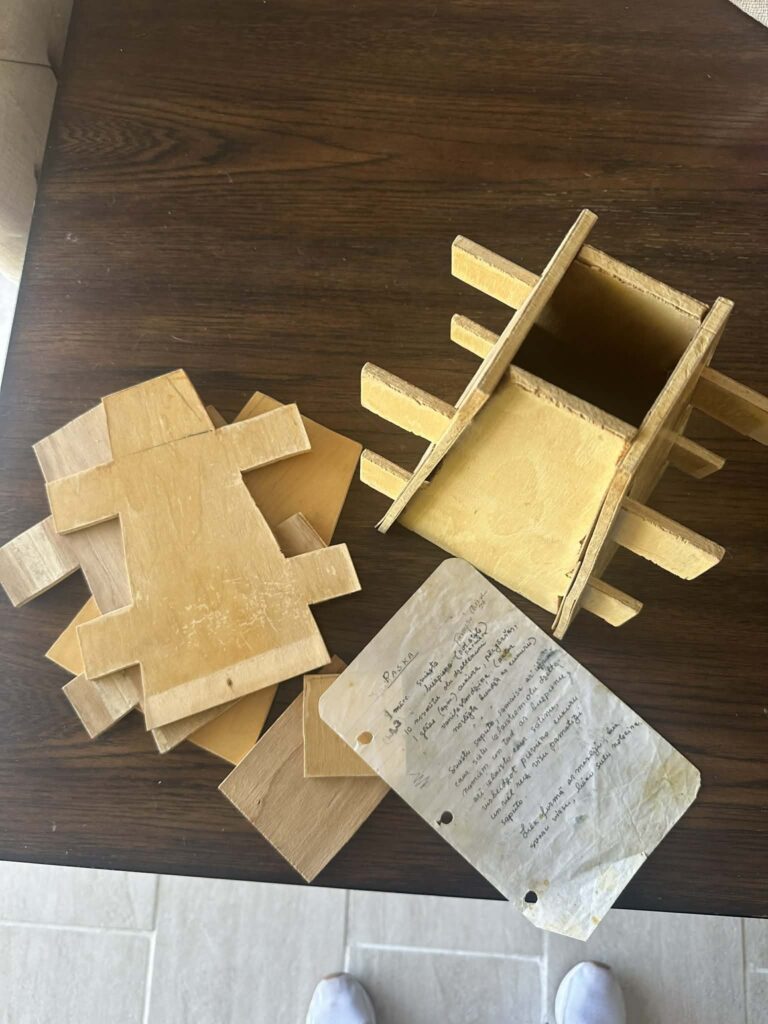
Aija’s mother always made paskha for Easter, using wooden molds that her husband had made about 70 years ago. Today, Aija continues this family tradition by preparing paskha according to her mother’s recipe and using the very same time-worn wooden molds, which carry both the taste of the holidays and cherished family memories.