

Latvian sweet soup in Brazil
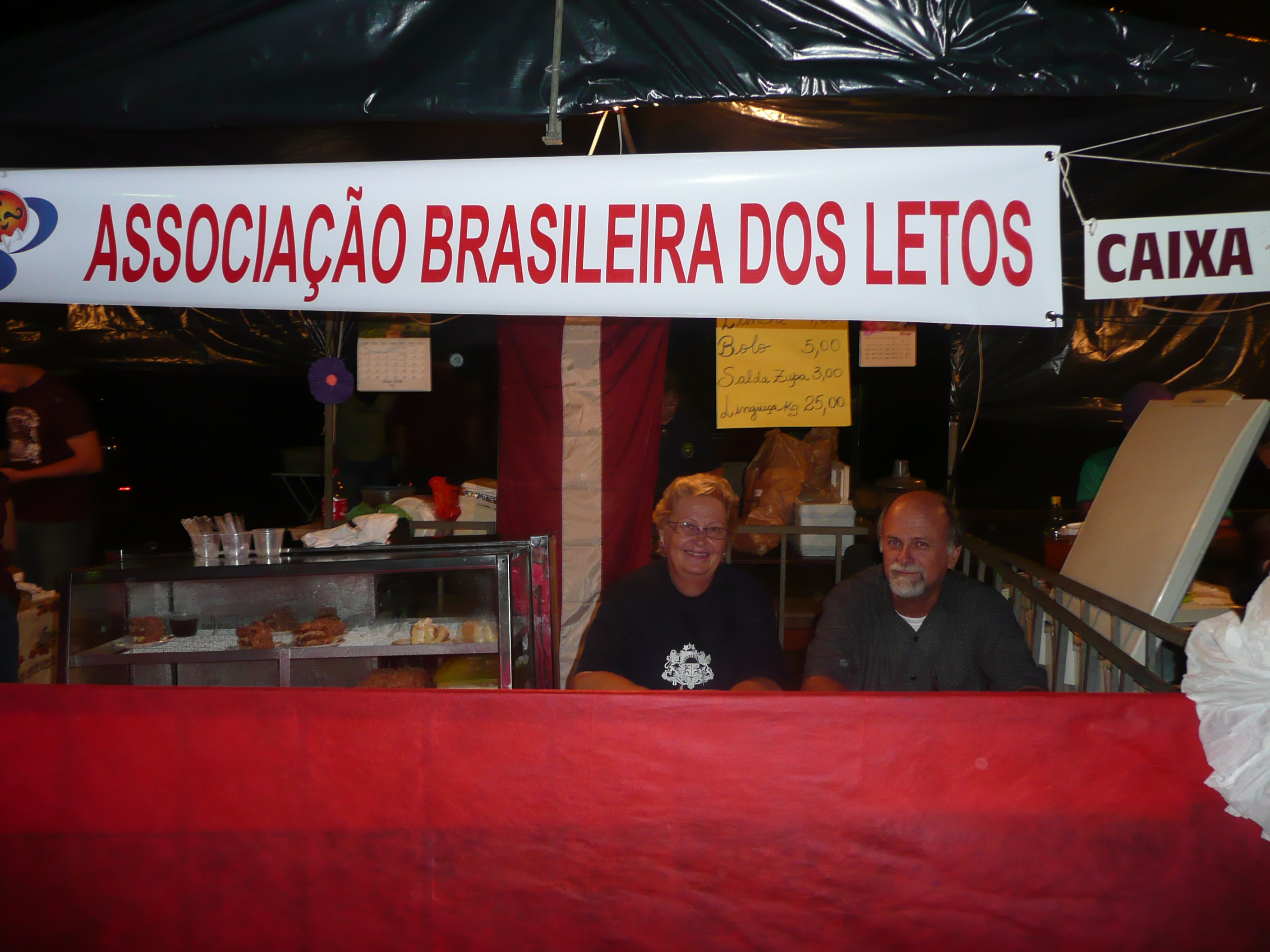
In 2009, the museum went on an expedition to Brazil. During the expedition, a multicultural food market in the city of Americana was also visited, where local Brazilian Latvians had their own stand offering traditional Latvian dishes. One of the dishes available for purchase was “sweet soup.” The photo shows Erliņš Arājs with his sister Nansi.
A bread oven built from an anthill (Edith Siemel)
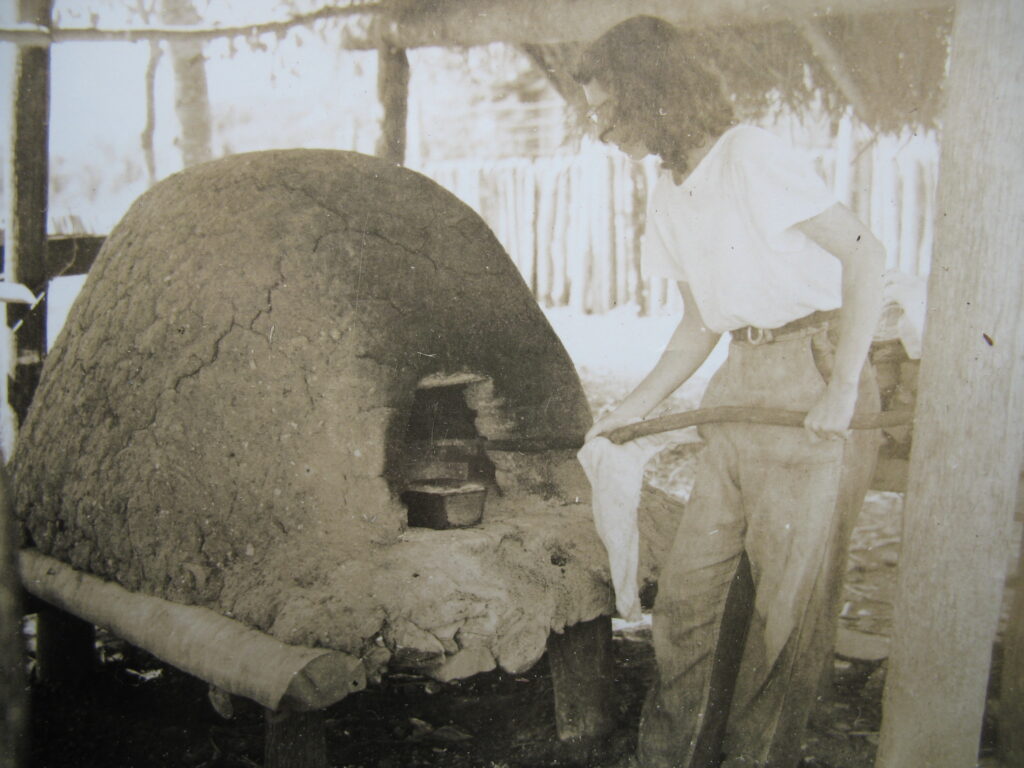
Aleksandrs Ziemeļs’s wife, Edīte (Edith Louise Bray Siemel), stands by a bread oven built from an anthill.
One loaf was always given to the minister! (Jānis Grimbergs)
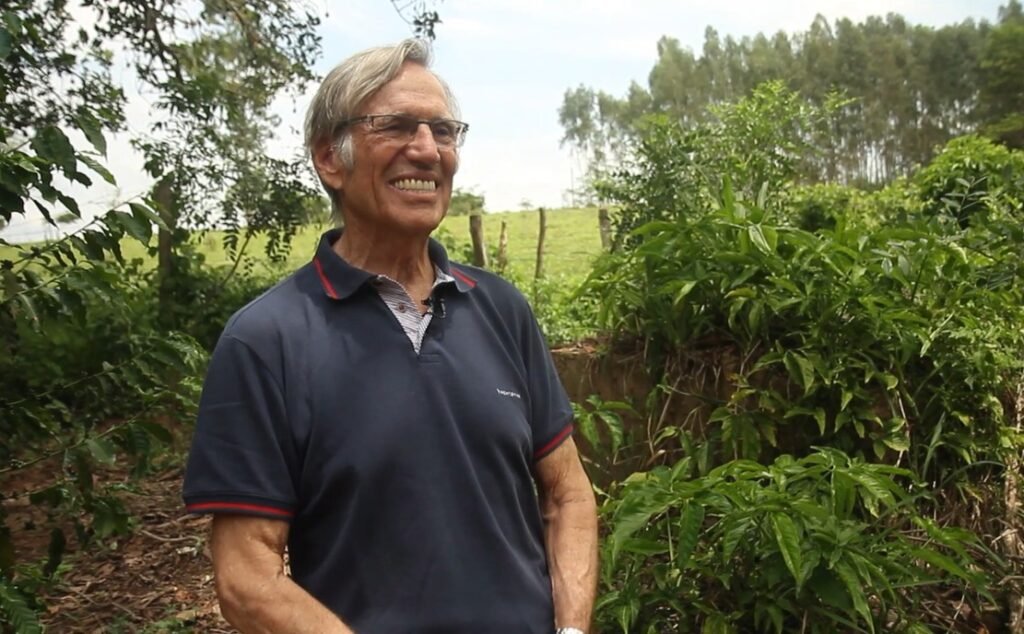
Jānis Grimbergs talks about bread baking in his childhood home — how loaves were baked on banana leaves, and how his mother managed to bake bread with the “real” taste, even though rye flour was not available. The interview with Jānis Grimbergs was given to the curator of the museum “Latvians in the World,” Marianna Auliciema, and researcher Brigita Tamuža during a museum expedition in Vārpa, Brazil, in 2013.
She mixed maize flour with sweet potato… (Luzija Osis)
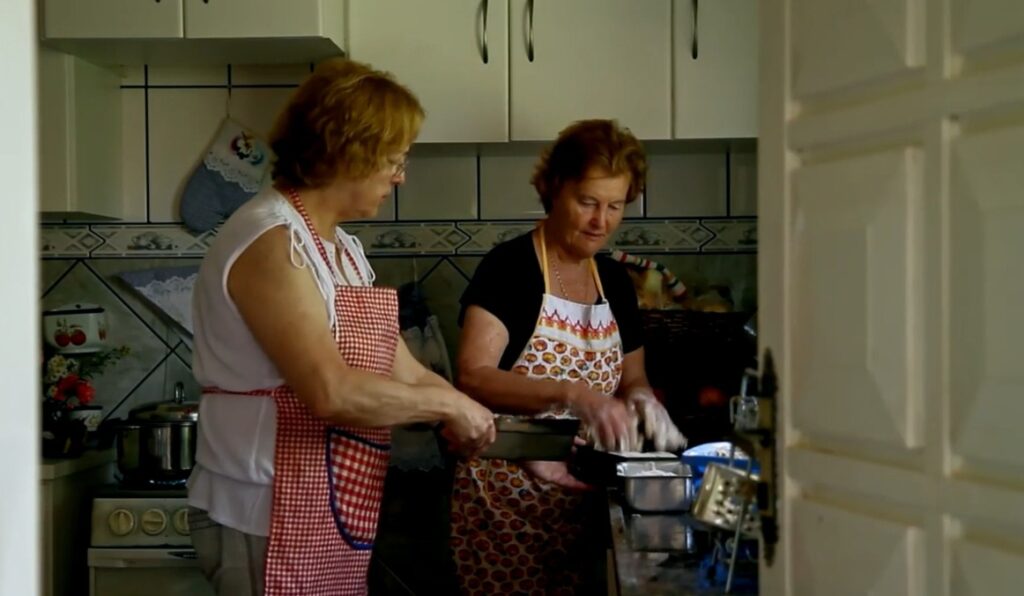
Luzija and Verners Osis, in their home in Vārpa, Brazil, demonstrate and talk about bread baking in their household in the past and today.
The interview was given to the curator of the museum “Latvians in the World,” Marianna Auliciema, and researcher Brigita Tamuža during a museum expedition in Vārpa, Brazil, in 2013. The video excerpt is from the museum’s documentary film “Vārpa: The Promised Land” (2017).
The Dambergs family kneading trough (Jaime Dambergs)
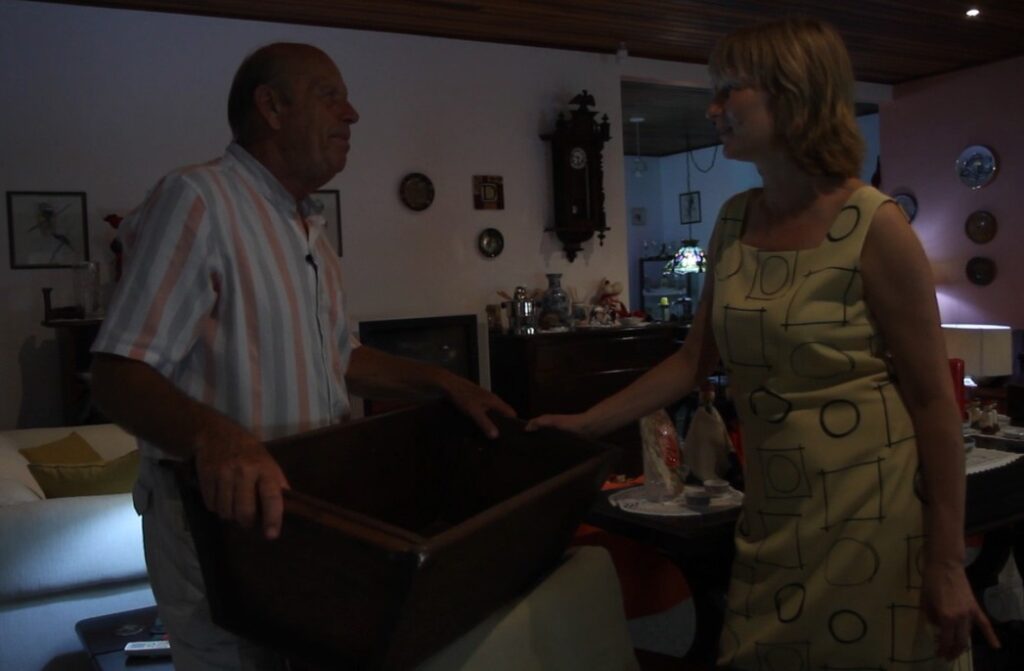
Jaime Dambergs talks about the “terribly” delicious bread that his mother used to bake on weekends in Brazil. The interview with Jaime Dambergs was given to the curator of the museum “Latvians in the World,” Marianna Auliciema, and researcher Brigita Tamuža during a museum expedition in Vārpa, Brazil, in 2013.
Now I can give my recipe to everyone! (Dzidra Ādamsone)
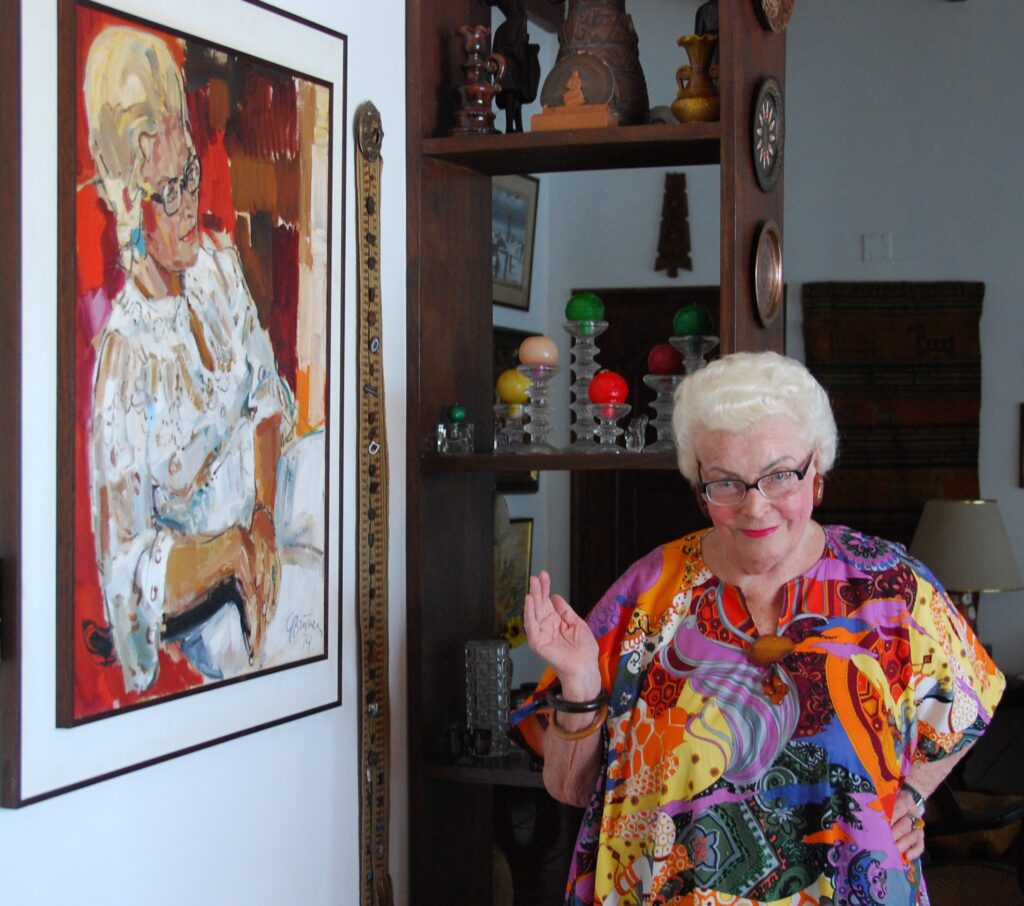
Dzidra Ādamsone writes about her pīrāgi recipe in an email in 2003.
Pīrāgi making outside Latvia: photographs from the collection of the museum “Latvians Abroad”
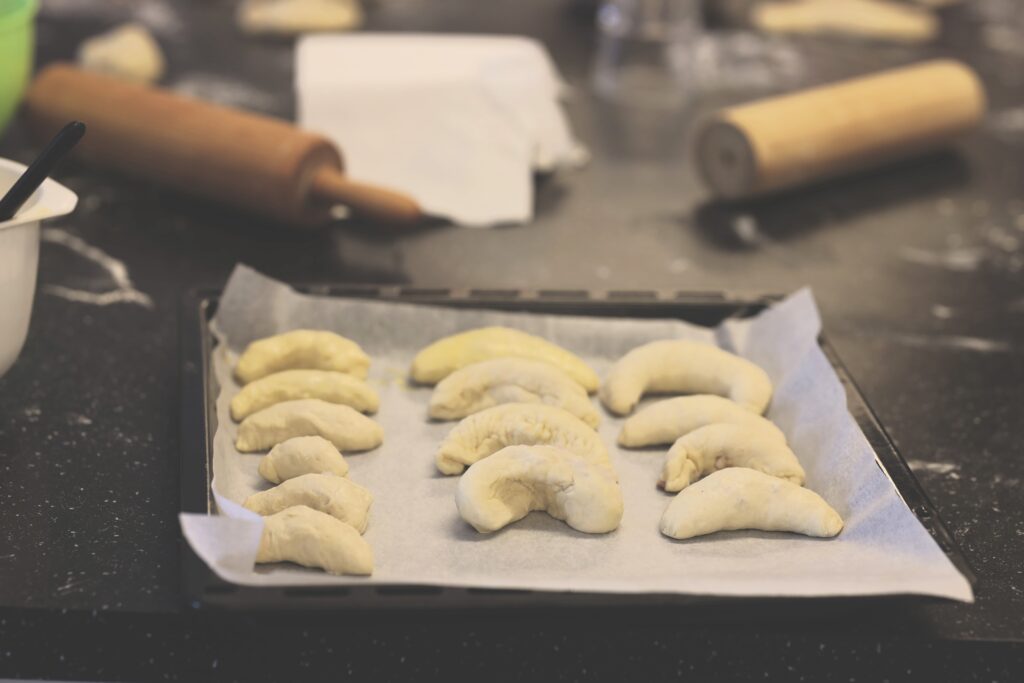
This album features photographs of pirāgi making in various corners of the world and across different periods of time.
It took two or three days and the sauerkraut was ready (Nestors Refbergs)
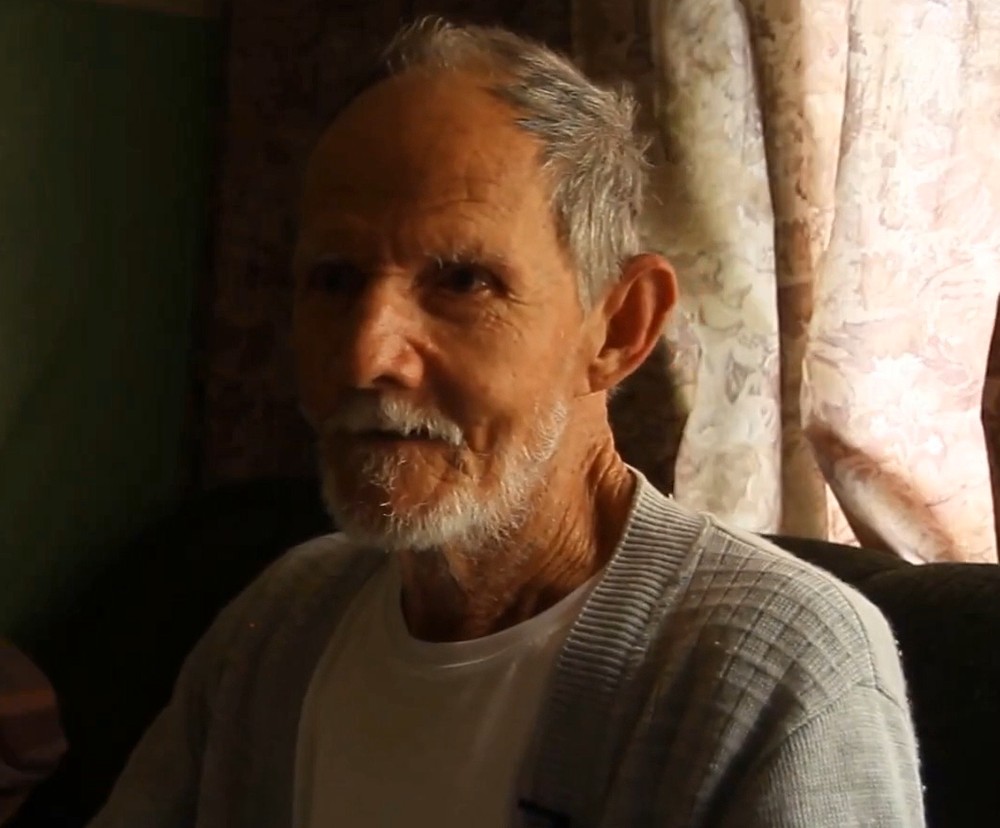
Nestors Refbergs was born in the Latvian colony Letonija in Brazil in 1933. He recalls how his mother made sauerkraut: she crushed the cabbage in a wooden dough trough and then transferred it into a special ceramic fermentation pot. After two or three days, the sauerkraut was ready!