

Now I can give my recipe to everyone! (Dzidra Ādamsone)
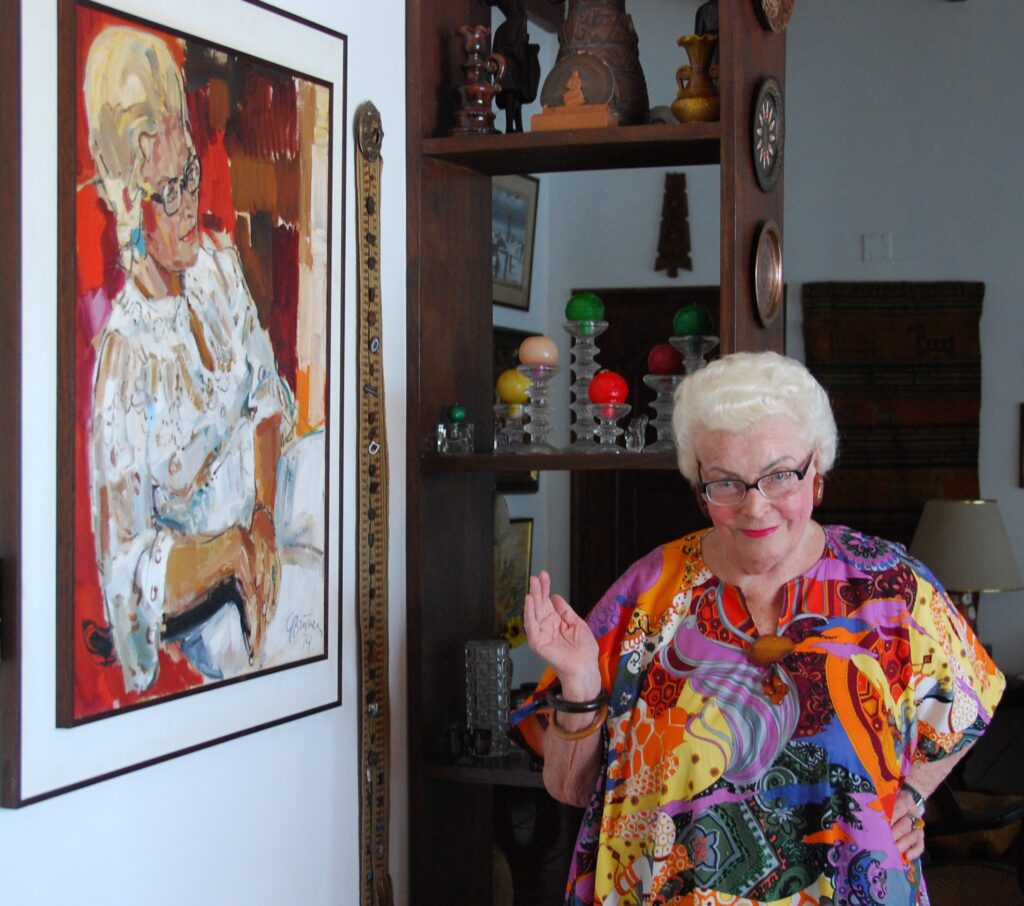
Dzidra Ādamsone writes about her pīrāgi recipe in an email in 2003.
We send pīrāgi by mail! (Dace Gulbe un Inta Grunde)
Dace and Inta talk about baking pīrāgi, sending them by mail, and the different fillings they make.
Pīrāgi is a comforting food for me (Māra Goldsmith)
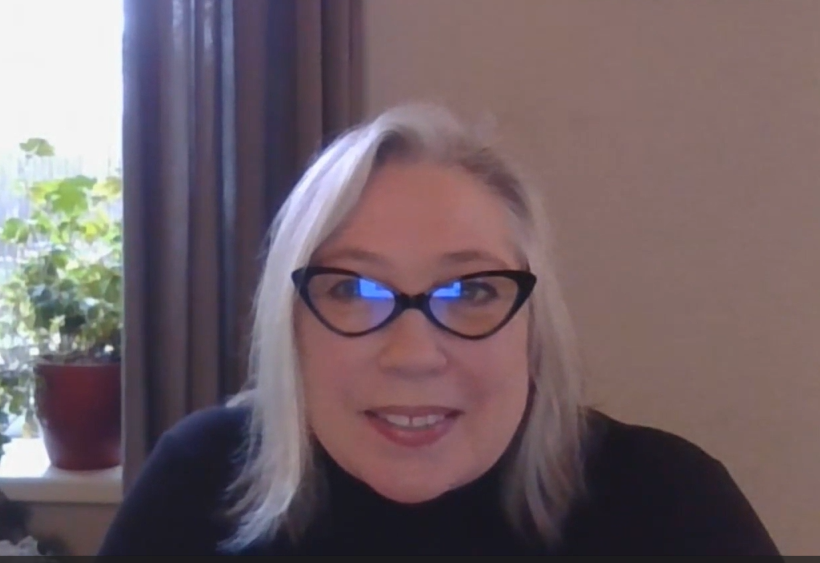
The pīrāgi recipe that Māra Goldsmith uses every year when baking pīŗāgi for Christmas was passed down to her by Mrs. Arnoldija in Sydney. In this interview, Māra talks about a special trick that makes the dough magical. According to her, it is exactly this that allows you to bake the most delicious pīrāgi in the world!
It’s not Christmas without pīrāgi (Anda Cook)
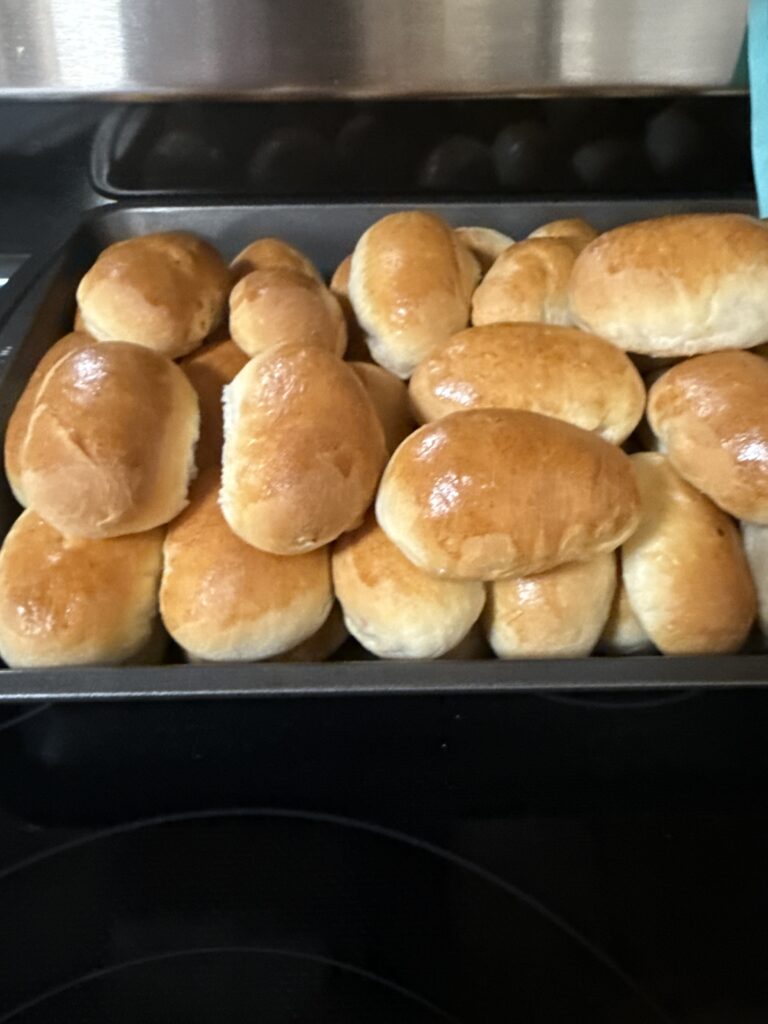
For as long as I can remember, pīrāgi held a place of honor at the Christmas table, and also at Easter. The necessary ingredients were not always easy to find, but my mother made sure to get them in time. In Cleveland, she had discovered a stall at the Westside Market, where she would go after work on Fridays. Her pīrāgi were not only delicious, but she always tried to make them very small, with plenty of meat filling.
My mother has been gone for a long time, and together with my daughter Lisa and granddaughter Greily, we have tried various recipes – but none are quite like my mother’s pīrāgi, neither in appearance nor in taste. The closest we’ve come was a few years ago. We use Dzidra Zeberiņa’s Ģimenes pavards (with a few variations – ed.).
It’s a lot of work, but we listen to Latvian folk songs and linger over memories. Sometimes, it even happens that a pīrāgs gets burned at both ends! And, of course, it’s not Christmas without pīrāgi.
Grandma’s pīrāgi in Rome (Austra Muižniece)
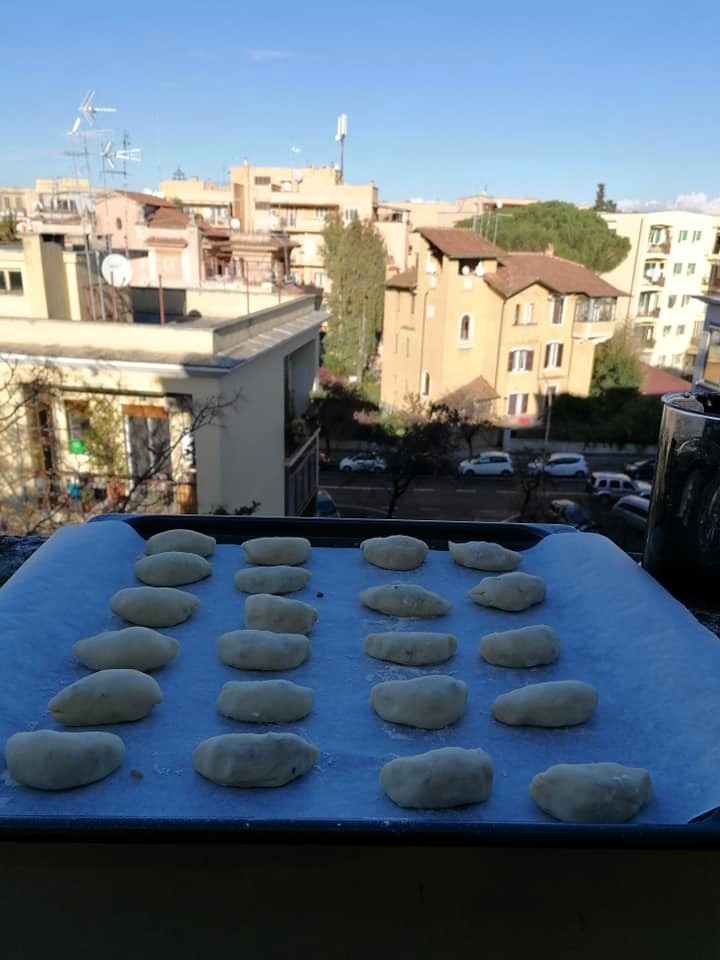
Austra Muižniece tells about baking Oma’s pīŗagi in Rome:
“They turn out quite well, but for me the dough made with Italian tipo 00 flour tastes a bit sweeter. I didn’t have caraway seeds, and pancetta or guanciale are different from our smoked meats. But at least the yeast worked perfectly — the dough rose beautifully, which made me happy. Complete nostalgia, feels like grandma’s food.”
My family pīrāgi recipe – with commentary (Aivars Sinka)

Aivars Sinka: “Quite often my English acquaintances wanted to try baking pīrāgi, so I wrote the recipe in English. I used to bake a lot. It felt important to me that my daughters understood that Latvian food is different from English food. I often put a pīrāgs in their school lunchbox.
I bake my pīrāgi using the same recipe my mother used and, very likely, the one her mother used as well.”
I wouldn’t offer these to pīrāgi purists! (Maija Hinkle)
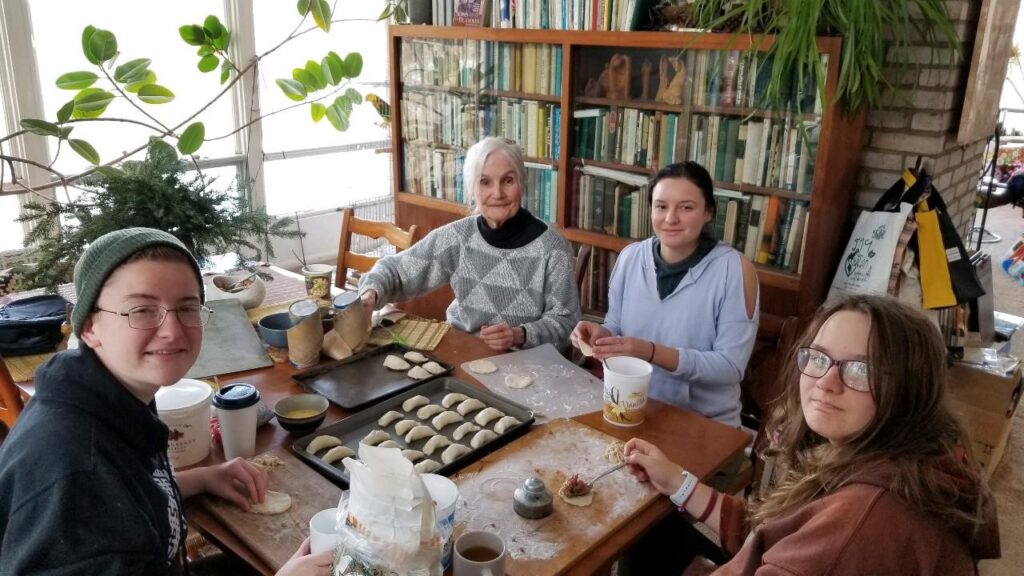
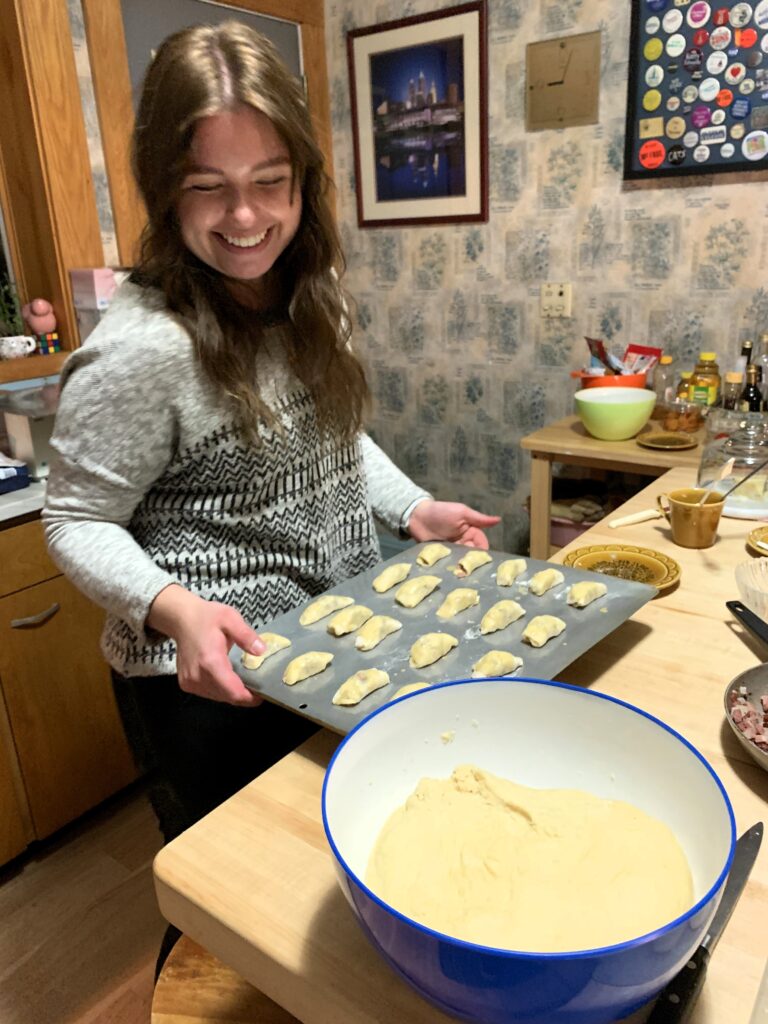
The founder of the Latvians Abroad Museum and Research Center museum shares the story of her family’s pīrāgi baking tradition. The Hinkle family includes several vegetarians, so they have had to invent various filling variations that everyone would enjoy. The family’s creative approach to pīrāgi doesn’t stop at the filling – for convenience, they use store-bought bun dough, and a ravioli press is used to shape the pīrāgi!
Pīrāgi as the feeling of home (Līva Ozola)
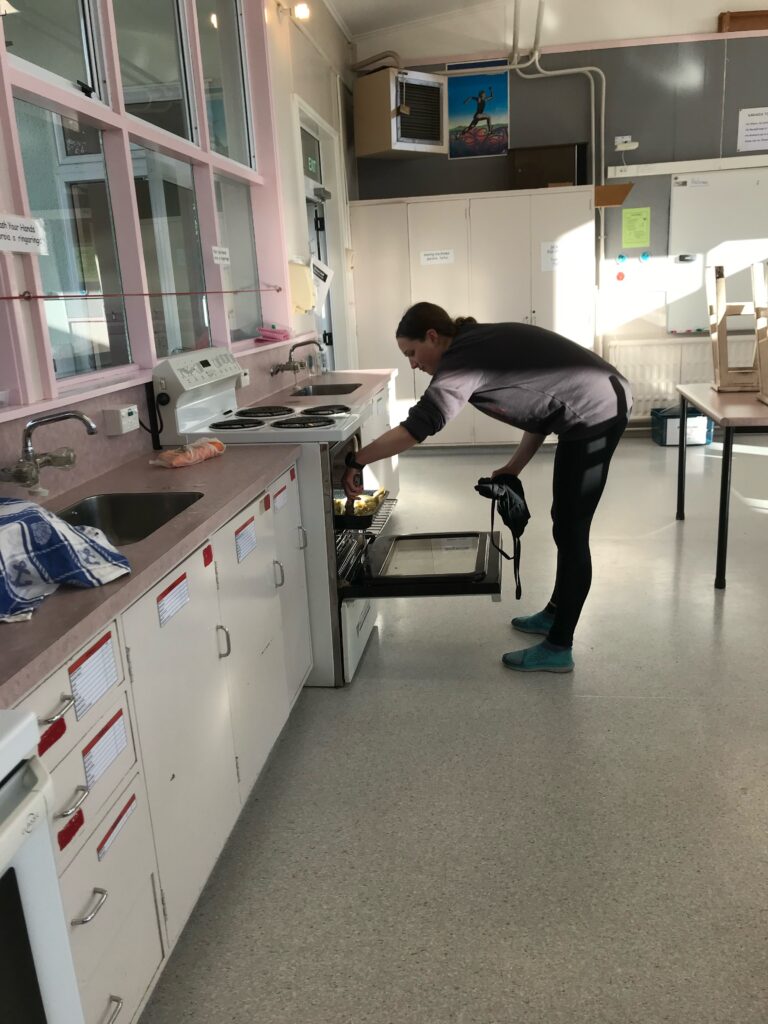
Līva, a home economics teacher in New Zealand, says that pīrāgi give her a feeling of warmth and home. She has treated her colleagues at school to pīrāgi and has even included making them as an assignment for her students in cooking class…
A Mindful Pīrāgi Making Adventure (Dace Dambergs)
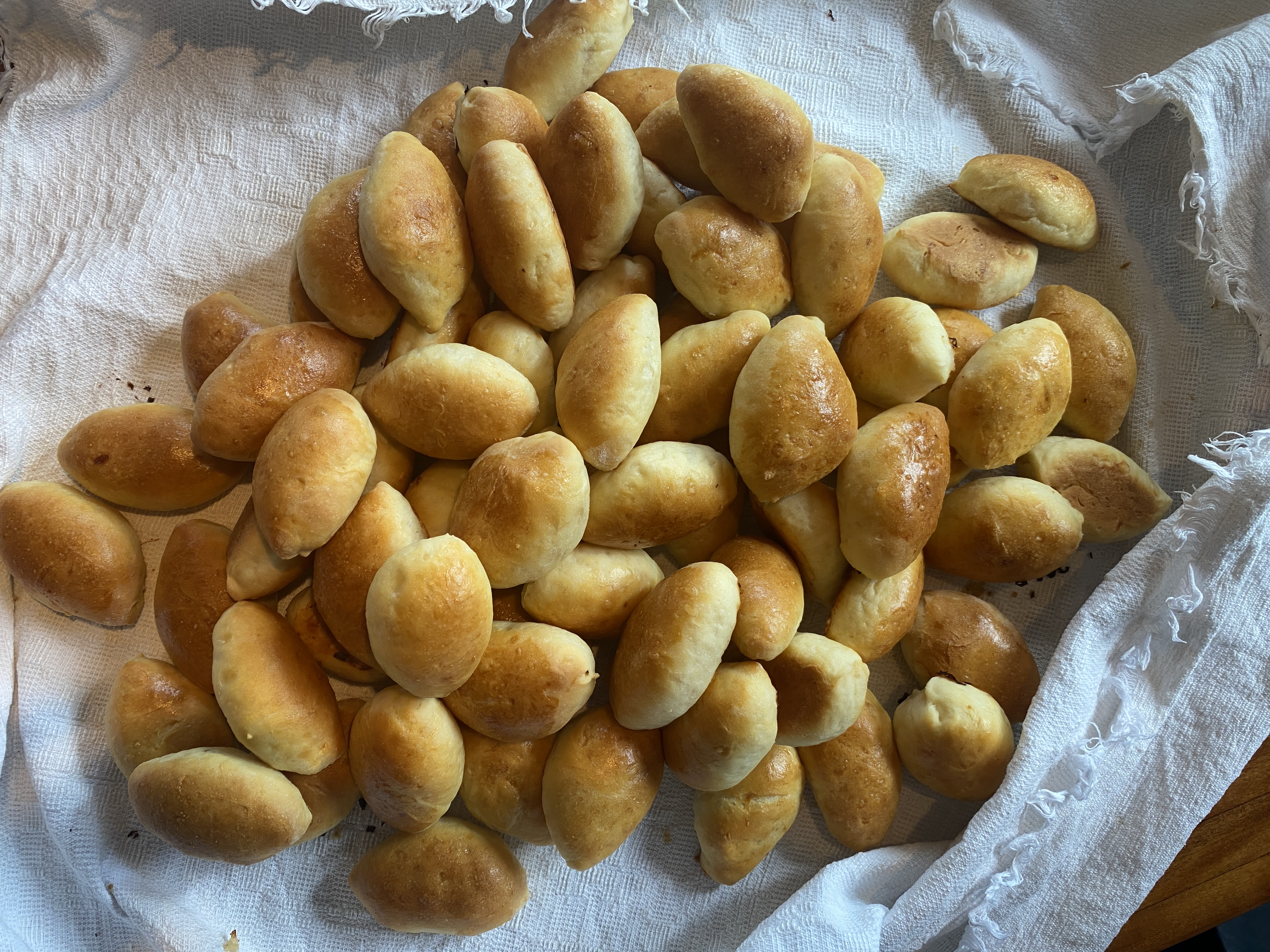
Dace Dambergs has a “”foolproof”” pīrāgi recipe, that she has adapted from Mrs Silmanis’ 1960s recipe for “”Savoury Bacon Rolls””, which she entered in to the iconic Australian women’s magazine “”The Women’s Weekly”” recipe competition, winning a prize. Dace explains: “”The art of making pīrāgi is steeped in Latvian legend and folklore. For centuries grandmothers, mothers and daughters sat around many a table plying their art and chatting about ‘women’s business’. This pīrāgi recipe relies on 21st century ‘mod cons’ making the task somewhat less strenuous and stressful.These include a mixmaster with a dough hook, a microwave, cling wrap, baking paper and an electric blanket. The recipe does however call for a mindful, albeit eastern philosophical approach to the pīrāgi making process.”” The photographs demonstrate step-by-step dough preparation, as prepared by Inga Česlis (Brisbane).
There must be 12 different dishes on the Christmas table! (Inga Čulkstēna)
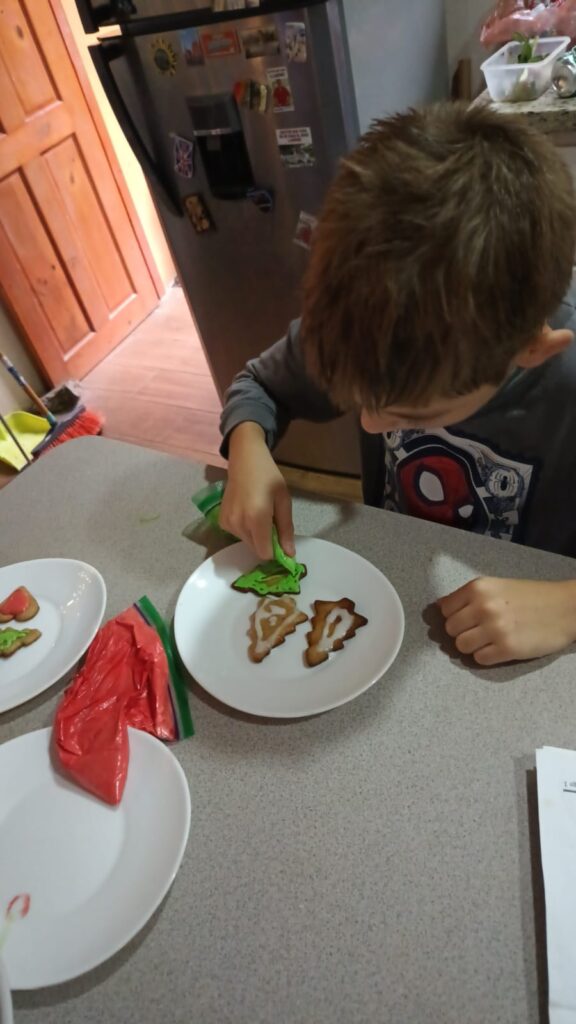
Inga, who now lives in Costa Rica, bakes piparkūkas and pīrāgi every year together with her sons. She talks about her experience searching for ingredients that are not always easy to find in Costa Rica, and fondly remembers her family’s Christmas traditions from her childhood.