

When fermenting cabbage, you have to kiss over the barrel (Laila Rudzone)
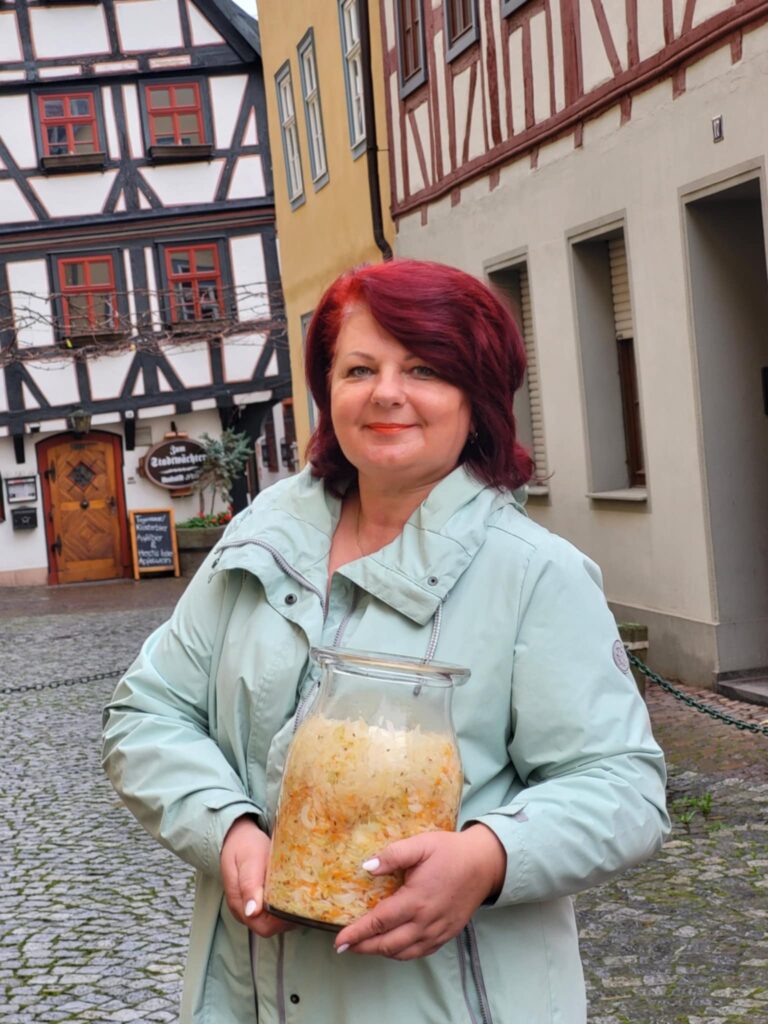
“So it has happened that I’ve been living in Germany for some time now. Homemade food carries a kind of genetic memory — of grandma’s pancakes or dad’s pike patties, those familiar childhood tastes. Even the stewed sauerkraut on the Christmas table reminds me of the cabbage fermenting days at grandma’s countryside home. In autumn, when the big heads of cabbage were harvested from the field, they were piled up in the middle of the yard under a broad oak tree, waiting for busy hands. The yellow oak leaves slowly swirled through the air, falling onto the cabbage heads. The slightly chilly, misty morning was no obstacle to the great cabbage-souring party. A wooden tub was prepared in advance, scalded with boiling water and scrubbed clean. My grandfather made the wooden barrels and tubs himself. From the attic, the cabbage grater was brought down — it had been carefully stored year after year. Grandma, wearing her apron, cleaned each cabbage head thoroughly, peeling away the outer leaves until only the white heart remained. Grandfather placed it on the grater and, pushing the wooden box back and forth, shaved it down. The white cabbage strips, mixed with a few grated carrots and caraway seeds, pleasantly crunched in the barrel under the wooden pestle. The cabbage was pressed until the juice started to separate. When the tub was full, a wooden lid and a stone weight were placed on top, and the cabbage was left to ferment. For about a week, it was poked every day down to the bottom of the barrel so that the gases could escape. From the Lubāna region in Latvia, there’s an old saying that when fermenting cabbage, one should kiss over the tub — then the cabbage will keep well. Everyone who has made sauerkraut can test the truth of that for themselves :))) To make the sauerkraut healthy, rich with good probiotic bacteria that help produce the happiness hormone serotonin in the gut, only salt should be added — 20 grams per 1 kilogram of the combined cabbage and carrot mass. It shouldn’t be oversalted so that it doesn’t need to be rinsed before eating, and all the goodness stays in the cabbage. In the winter season, when someone caught a cold, grandma would hurry to the cellar with a bowl in hand, scoop out some sauerkraut from the big tub, and bring back a dose of vitamin C. For the children, she sprinkled a bit of sugar on top to make it tastier. That vitamin boost would get all the weak ones back on their feet. And there’s strength in sauerkraut juice — many a market woman has revived herself with it after having one drink too many. Cabbage gives strength and health, and that strength goes straight through the stomach. In Germany, I don’t ferment full tubs of cabbage, but smaller amounts — just enough for sauerkraut soup, stewed cabbage with roast pork, or as a salad mixed with chopped onions and oil to eat with pleasure.”
Story submitted by Laila Rudzone. Photograph from Laila’s private collection.
(Originally written in Latvian).
Grandma’s secret ingredient used in pickled vegetables (Ana Beatrise Apse-Paese)
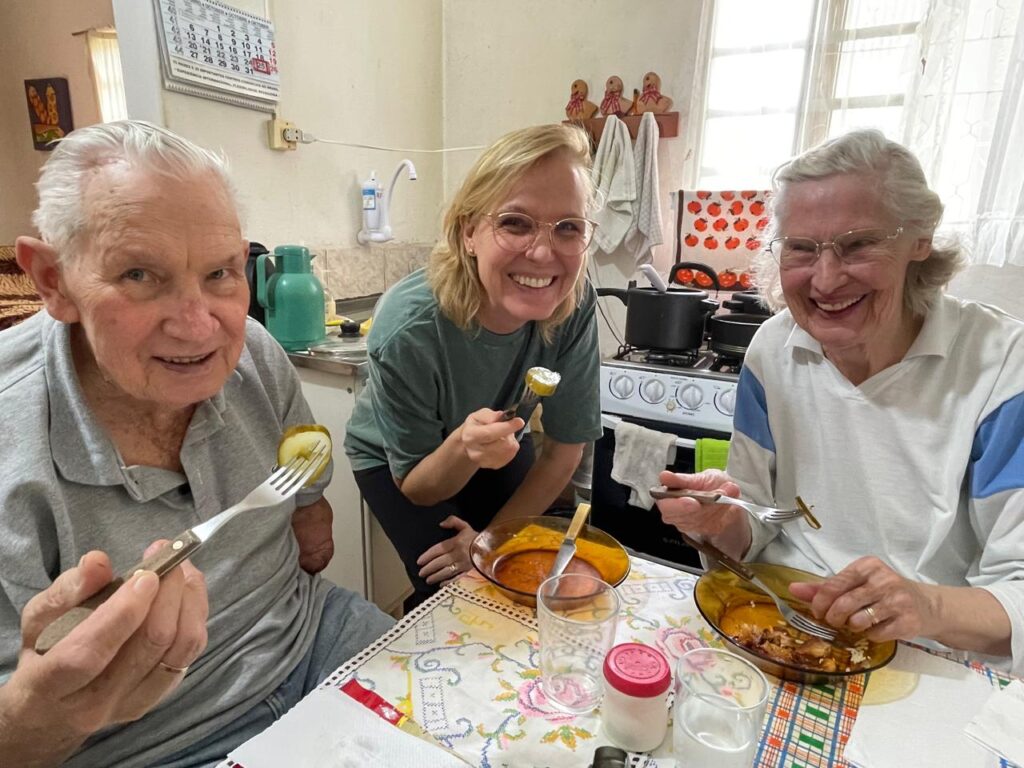
“My grandma, Eunise, pickles vegetables on the regular. Cucumber, carrots and cauliflower. She adds onion and garlic and her secret ingredient are cloves. She cooks them in water, vinegar and salt (two cups of vinegar for four large cucumbers) until the cucumber loses its green hues and then stores it in jars in the fridge. My grandparents eat pickled vegetables everyday at lunchtime. As kids, me and my siblings were never fond of pickled vegetables, but my mom, Leila, has always had quite Latvian tastebuds, so, when we went out to eat burgers, we would all pick out the pickles to give to her, who gladly ate them. As a grown-up, I now appreciate my grandma’s pickles and reproduce them in my small apartment in Germany, where I study.””
Story submitted by Ana Beatrise Apse-Paese. Photos are from Ana’s personal archive.
What I truly miss here when I think of Latvia
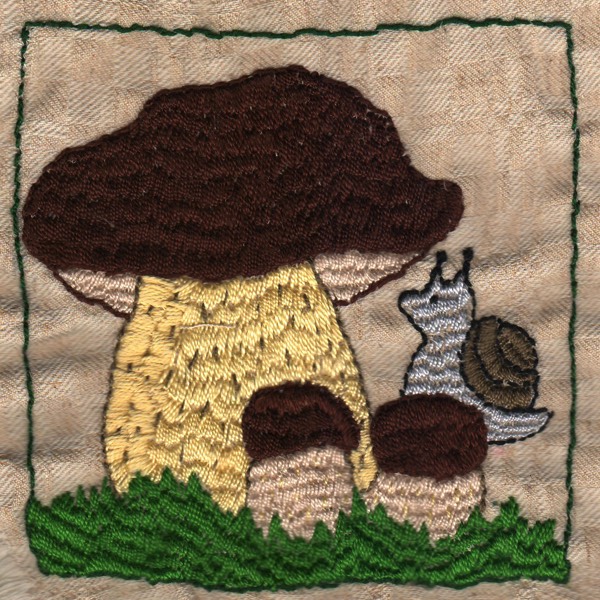
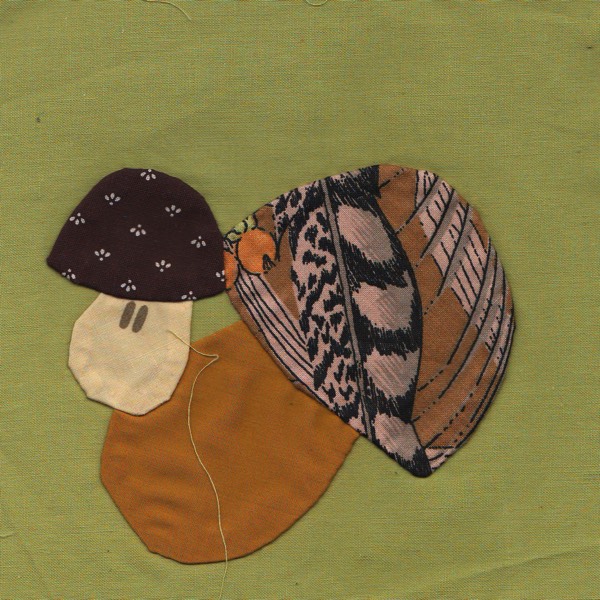
I am not a child of exile, but it so happened that I have been living in Canada for seven years now. Latvia has always been and remains dear and close to my heart. I am proud to have been born in Latvia. This square was created with the idea of showing what I truly miss here when thinking about Latvia. It’s the fragrant forests and fields, the meadows. Mushroom picking, berry picking. Remembering my childhood through Margarita Stāraste’s illustrations and fairy-tale books, this porcini mushroom square was made.
Description submitted by Ingrīda Eglīte for the Museum “Latvians Abroad” project “Story Quilt” (2018)
Mom runs around the stores looking for the “right” kind of cabbage
Inese Šteinbaha: We make our own sauerkraut. My mom, Māra Rozenberga, is the one running around the stores looking for the right kind of cabbage. She knows exactly what they should be like. We even have our own cabbage slicer, brought from Latvia.
Searching for Latvian mushrooms
Mushrooms & sauerkraut OCTOBER 2025 Searching for Latvian mushrooms Toronto, Canada When I was a little girl, my greatest joy in summer was going mushroom picking with my father in Latvia’s beautiful forests. Wandering around the world, I’ve seen many beautiful forests. I’ve walked through them, searching for the mushrooms of Latvia. I didn’t find them…” Aina Zūlis. Quote from the “Story Quilt” project by “Latvians Abroad” museum 2018 Oktober news Latvijas sēņu meklējumos Kā var kāpostus rīvēt, ja neiedzer aliņu? (Pēteris Freimanis) Mazā Māra mežā gāja… Ēriks un Aina stāsta par sēņošanu Skābēšana trijās paaudzēs Kanādā (Aija Zichmane) Liene marinē gurķus Madara Riley – “Mushroom Maddie” Sertificētā sēņotāja Mičigānā (Larisa Mednis) Jūs, ko, mani uz sēņu skolu sūtīsiet? (Austra Muižniece) Liene gatavo kotletes Skābo kāpostu meistarklase Melburnā Londonas latviešu skolas sēņošanas izbraukums Itāļiem ir nepareizi gurķi! (Austra Muižniece) Rudmiešu pilni grozi! (Iveta Leitase) Omīte iemācīja, kā skābēt kāpostus (Kalvis Mikelšteins) Divas, trīs dienas un jau skābi kāposti bija (Nestors Refbergs) Latviskā sirds un dārgās dilles (Iveta Leitase) Bergenas latvieši skābē kāpostus kopīgām svinībām Karbonāžu maratons vienā laidā (Austra Muižniece) Grāmatas “Letts Eat!” tapšana (Vija Doks) Recepte draudzībai un latviešu pavārgrāmatas diasporā (Signe Rirdance) Pavārgrāmatas izdotas ārpus Latvijas Manas vecmāmiņas recepšu grāmata (Marianna Auliciema) Kā es gatavoju rasolu (Dastins Betčers) No posts found
How can you shred cabbage without having a beer? (Pēteris Freimanis)
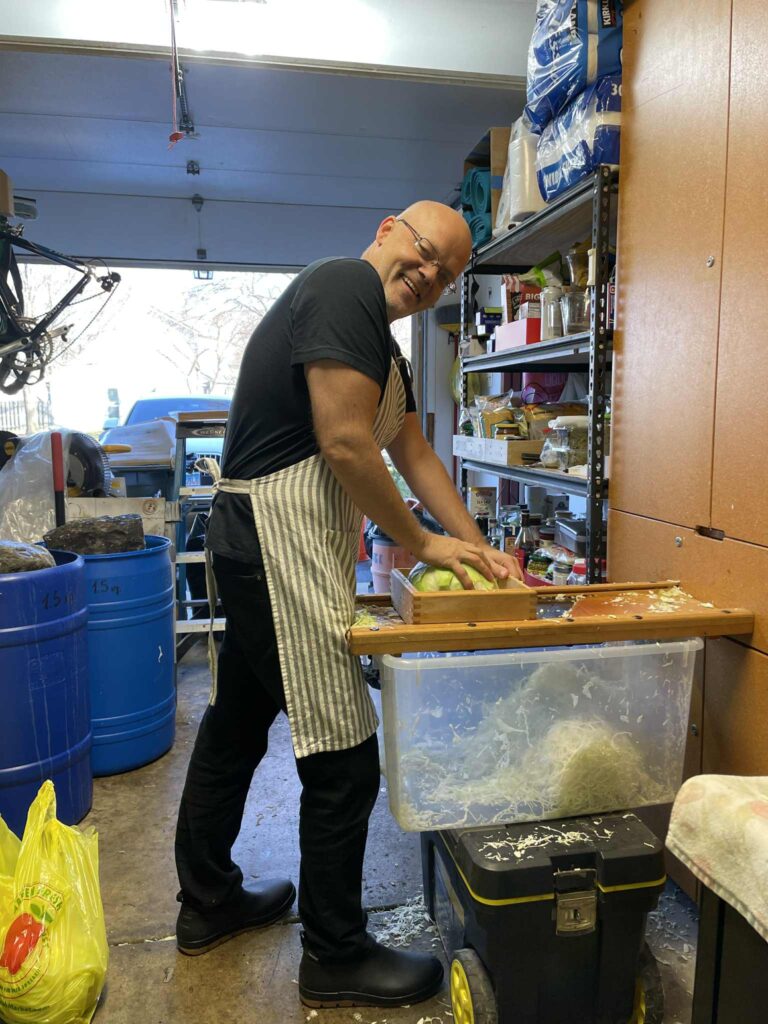
Pēteris Freimanis shares childhood memories of his grandmother’s sauerkraut and tells how he began fermenting cabbage himself, inspired by his friend Aigars. This activity has become a tradition for him.
Little Māra went into the forest…
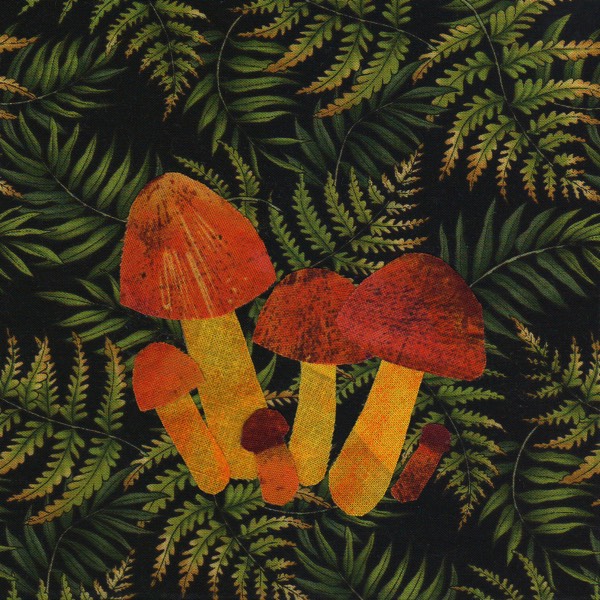
“Little Māra went into the forest, the green forest was her home.” I heard this from my grandmothers while going mushroom picking together in the beautiful forests of Latvia. Unforgettable memories. I lived in Garciems for the first six years of my life. During the Second World War, my family began the life of refugees. On October 4, 1944, we left Riga. Upon arriving in Germany, we lived in the barracks of the Fischbach camp. That’s where I started elementary school. The lessons were conducted in Latvian. In December 1949, my family had the opportunity to go to America, to earn a living as lumber workers. Later, we moved to Milwaukee.
Ēriks and Aina on mushroom picking
They wanted to arrest me and Aina. We went to the forest to pick mushrooms, and they wanted to arrest us. Apparently, we were trying to poison someone!
The police arrived. The English people who walk there saw us picking mushrooms and had reported us to the police.
When we bought that other house — the bungalow — it was near the forest. During the day, my friend’s dog and I would go for walks after work and pick mushrooms. Sometimes Erik and the children came along too. And then — ‘What are you doing? Picking mushrooms? They’re poisonous!’
I said, ‘If they were poisoned, I’d have been dead long ago
Fermenting for three generations in Canada (Aija Zichmane)

Aija Zichmane (née Bramane)’s parents began fermenting cabbage in Canada in the 1960s. When they grew older, the sauerkraut-making tradition — along with the large fermentation barrel — was taken over by Aija and her husband Klāvs. Every autumn, they organized sauerkraut-making gatherings, involving a wide circle of relatives and friends. Today, the tradition is carried on by the next generation, and Aija’s son-in-law, a Canadian named Brad, has been crowned the “Cabbage King”!
Liene pickles cucumbers
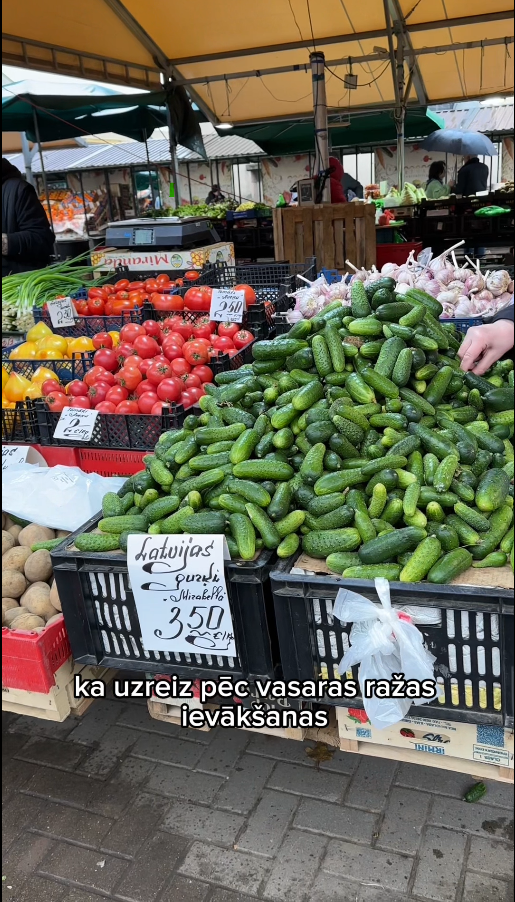
Liene is marinating cucumbers for the first time, which she says is a skill every Latvian should know. She partly follows her grandmother’s recipe, half vinegar and half water, and partly improvises.