Piparkūkas (Mirdza Rollis, Kalamazoo Ladies’ Auxiliary)
Kalamazoo, USA
INGREDIENTS
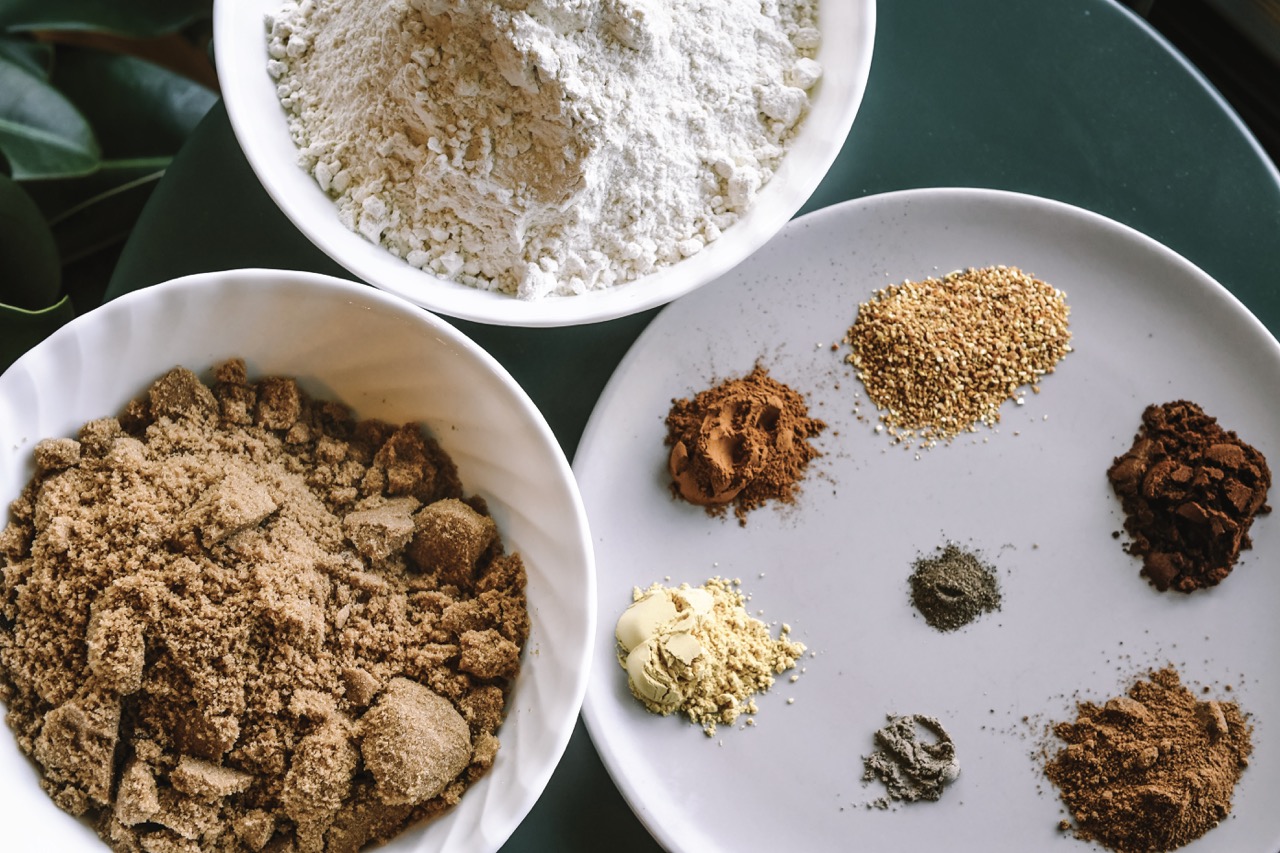
225 g dark brown sugar syrup (or honey)
225 g butter
225 g brown sugar
525 g wheat flour
½ tsp ground orange zest
1 tsp ginger powder
1 tsp ground nutmeg
1 tsp ground cloves
½ tsp cinnamon
⅛ tsp ground cardamom (a tiny pinch)
⅛ tsp ground black pepper (a tiny pinch)
2 eggs (one for the dough, one for the egg wash)
PREPARATION
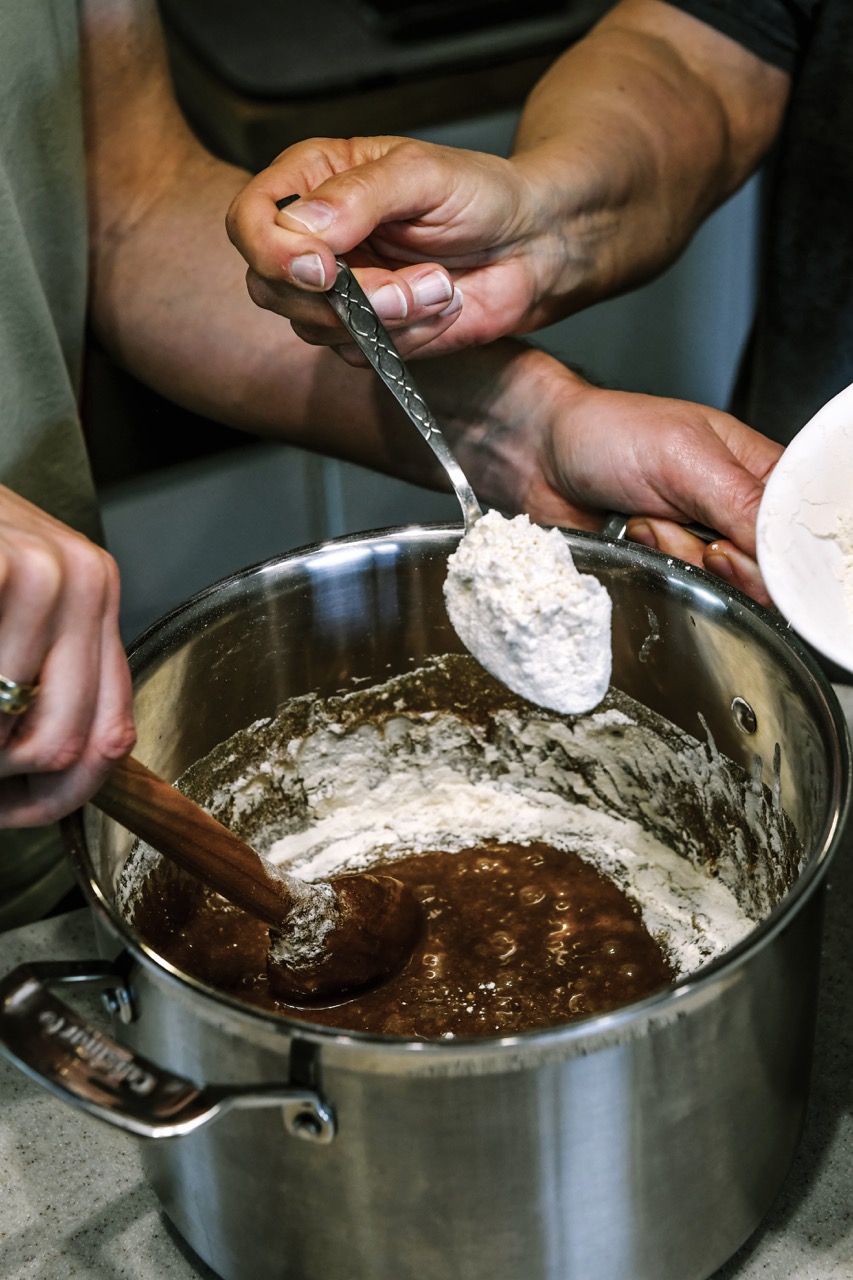
1. Heat the liquids. In a pot, slowly heat the butter, brown sugar syrup, and brown sugar until a smooth, uniform mixture forms while stirring.
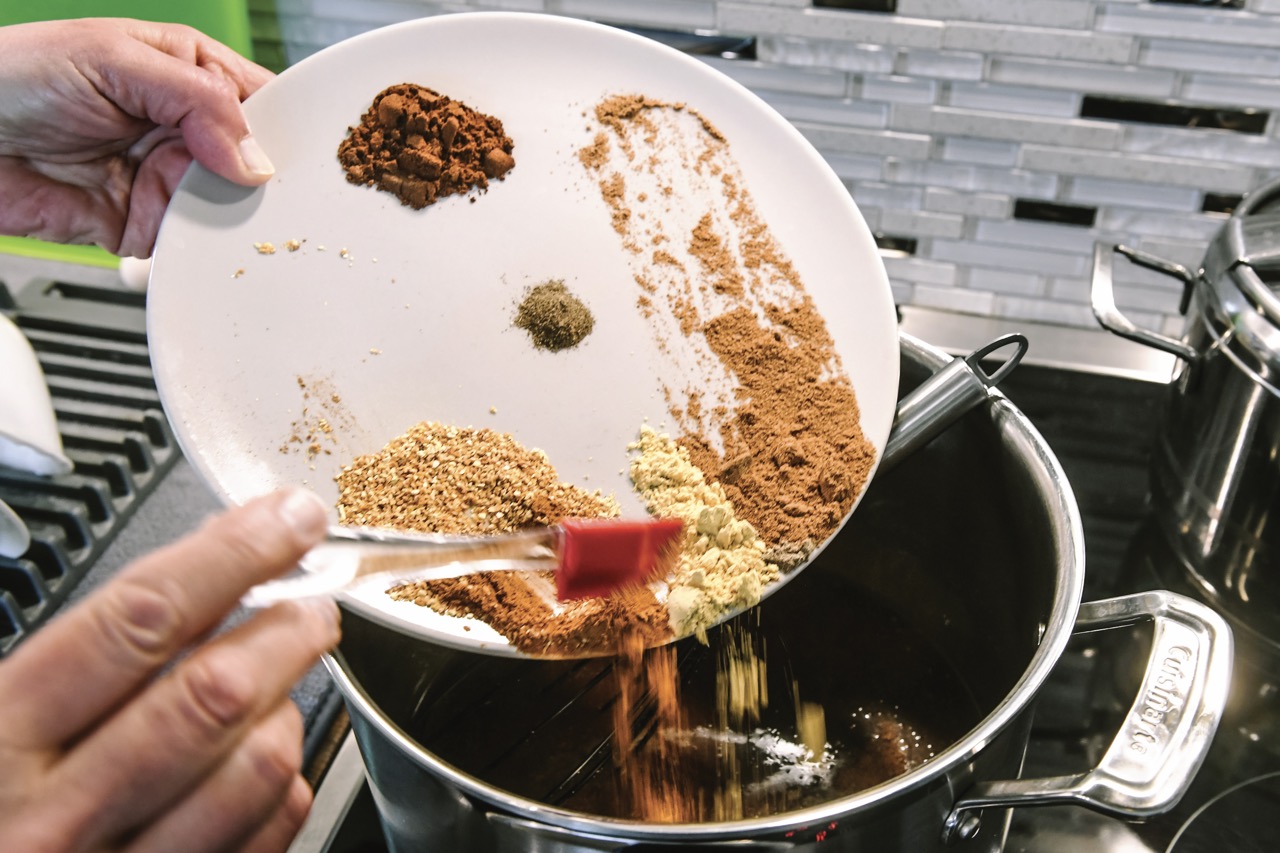
2. Add spices and part of the flour. Remove from heat and thoroughly stir in one-third (175 g) of the flour along with all the spices.
3. Knead the dough. Beat one egg and slowly add it to the mixture, continuing to stir while gradually incorporating the remaining flour. Mix until the dough is completely smooth.
4. Chill. Divide the dough in half and place into 4-litre freezer bags. Lay flat in the refrigerator overnight until baking day, or freeze if baking much later.
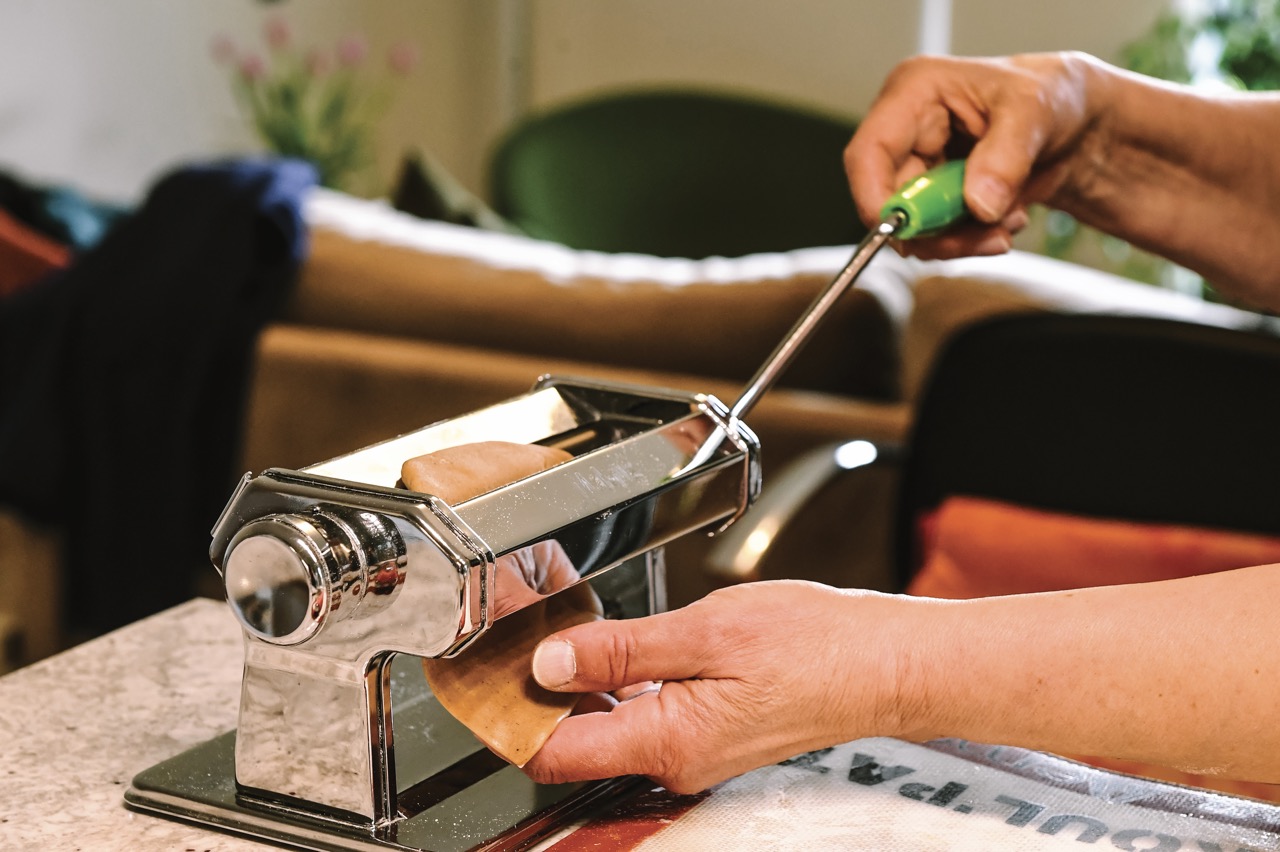
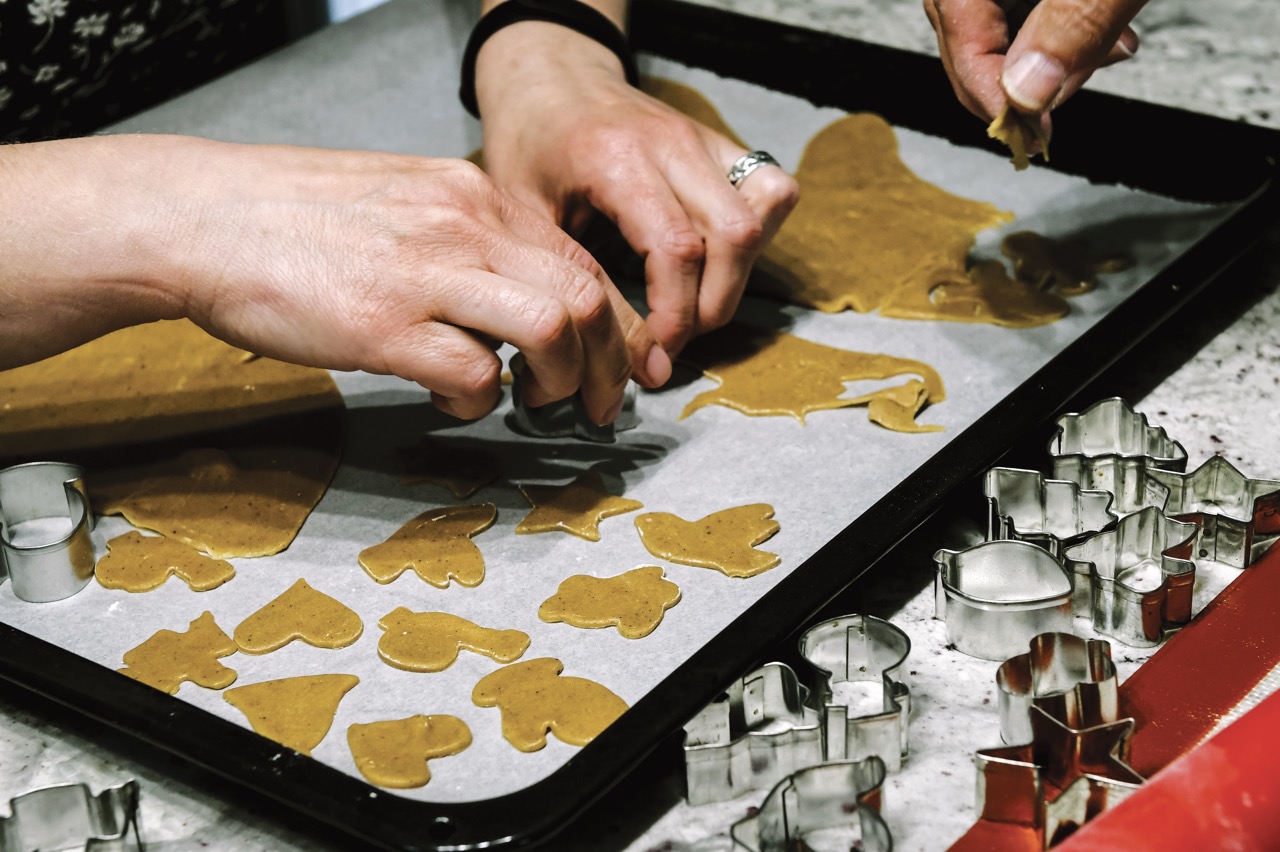
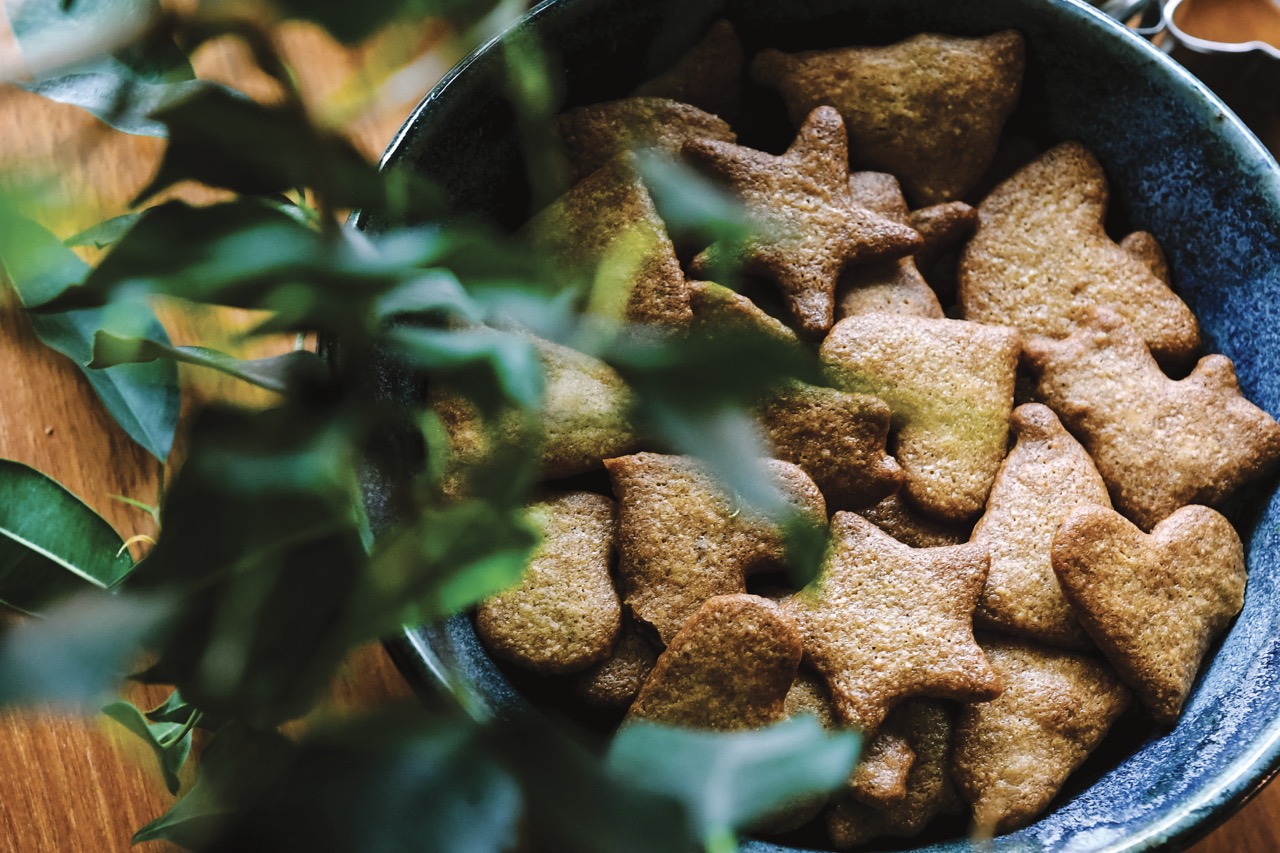
5. Bake. On baking day, prepare cookie cutters, a baking sheet lined with parchment paper, and a rolling pin or pasta roller. On a floured surface, thinly roll out the dough, cut out your favourite shapes, place on the parchment paper, brush with a beaten egg, and bake at 170°C (340°F) for 5–7 minutes until light brown.
NOTE FROM THE MUSEUM KITCHEN
If you wish to highlight a specific flavour profile in your piparkūkas, you can increase the amount of that respective spice.
Photo: Elīna Kalniņa


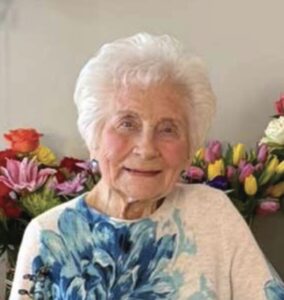
Mirdza Rollis was born in 1925 in Ezere, Latvia. During World War II, she fled into exile with her family. After moving to Kalamazoo, Michigan, USA, Mirdza became actively involved in the Latvian Evangelical Lutheran Church and its Ladies’ Auxiliary.
The Kalamazoo Ladies’ Auxiliary has used the same piparkūkas recipe for over 50 years, since charity baking bees were initiated in 1962. The bees continue to this day. Using this recipe in 2023 at the age of 98, Mirdza Rollis baked piparkūkas herself to gift to friends, including Ilze Bērziņa, who donated them to the museum.
It is worth noting that food is rare in museum collections due to preservation challenges. However, in the collection of the Latvians Abroad Museum, Mirdza’s piparkūkas look almost freshly baked because the sugar and spices act as natural preservatives. In the dry, stable museum environment they do not spoil, though they are no longer edible because they have become hard and dried out.
Mirdza Rollis’ recipe for piparkūkas is also preserved in the museum collection.
