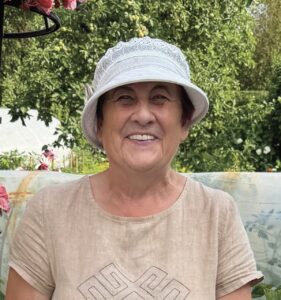
Easter pashka (Nata Meģe)

Alūksne, Latvia

INGREDIENTS
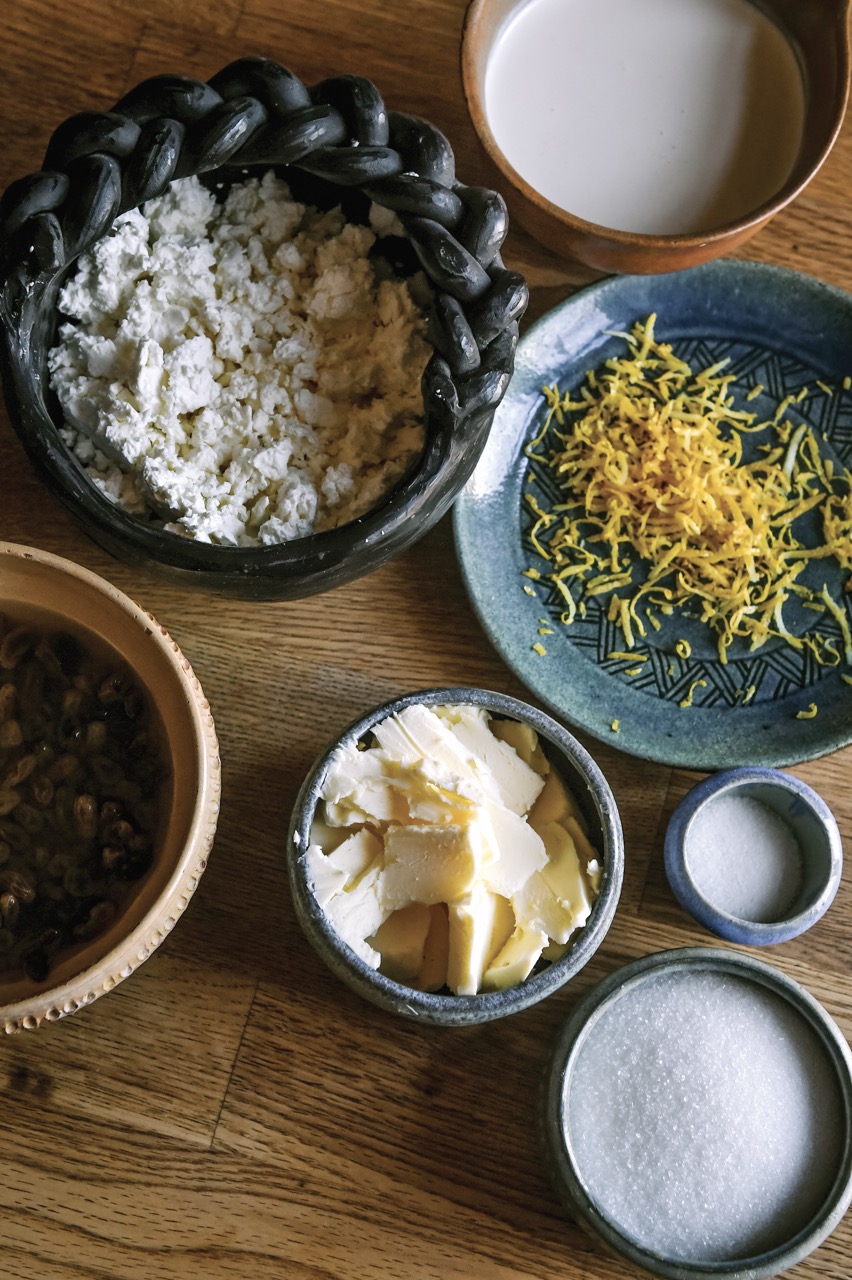
1 kg curd cheese
150 g butter
200 g sugar
250 ml or 1 cup heavy cream (at least 30% fat content)
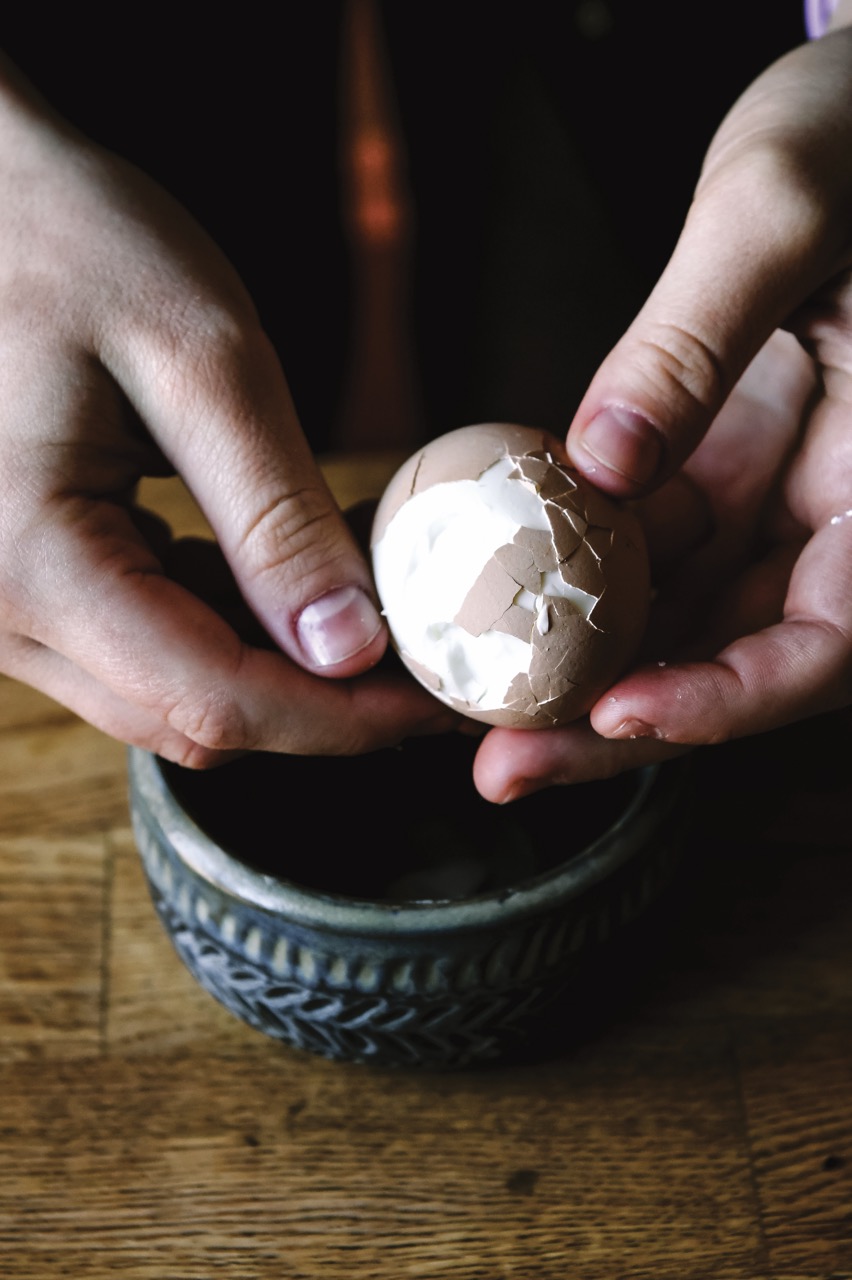
3 boiled egg yolks
2 tsp vanilla sugar or a little vanilla extract
A handful of raisins or other dried fruit
Zest of 1 whole lemon

PREPARATION
1. Prepare the curd cheese by grinding it twice through a meat grinder, or use a food processor. Place the curd cheese in a large bowl.

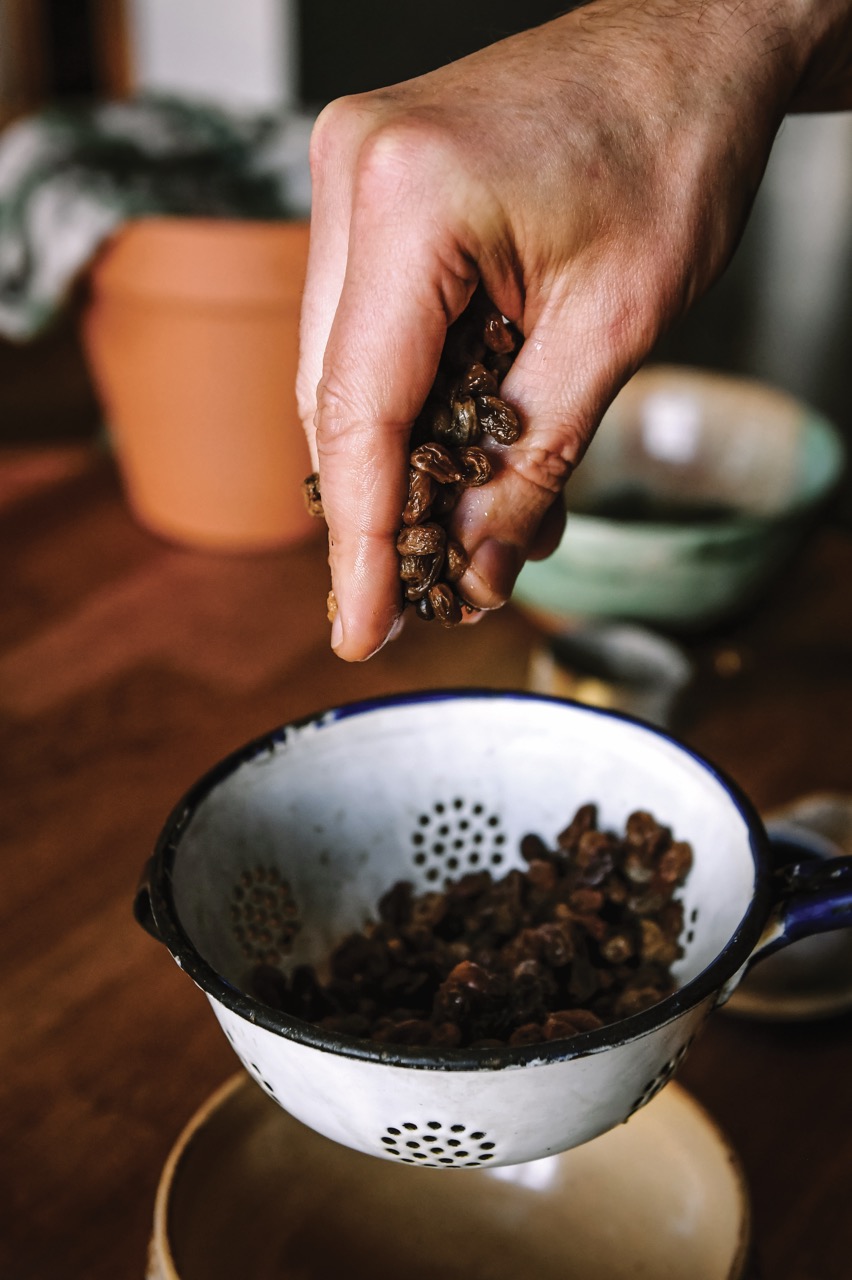
2. Pour warm water over the raisins or dried fruit to soften. If necessary, cut them into small pieces. Add them to the curd cheese along with the lemon zest.

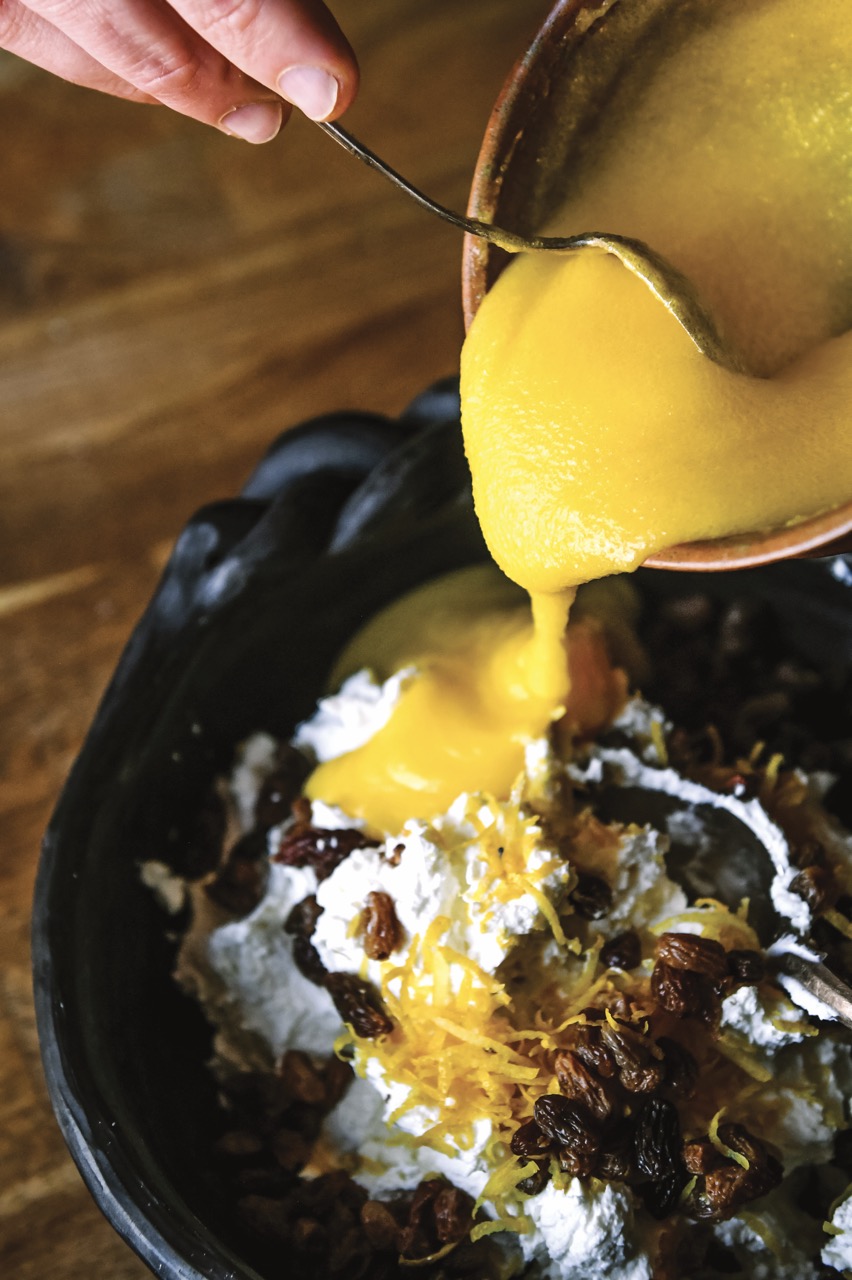
3. Beat the butter with the sugar. Press the boiled egg yolks through a sieve and add them to the whipped butter mixture, mixing well. Add the mixture to the curd cheese.

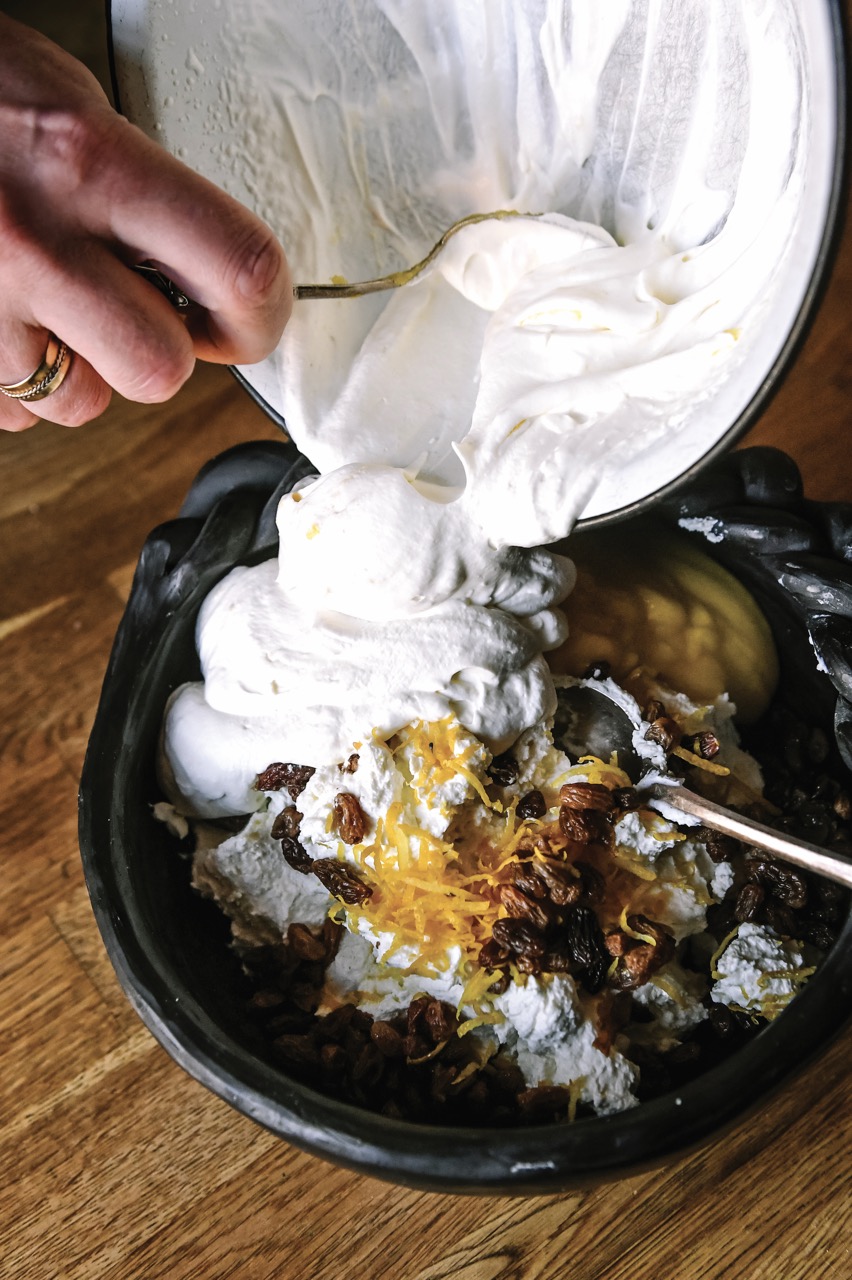
4. Whip heavy cream with vanilla sugar and add it to the curd cheese.

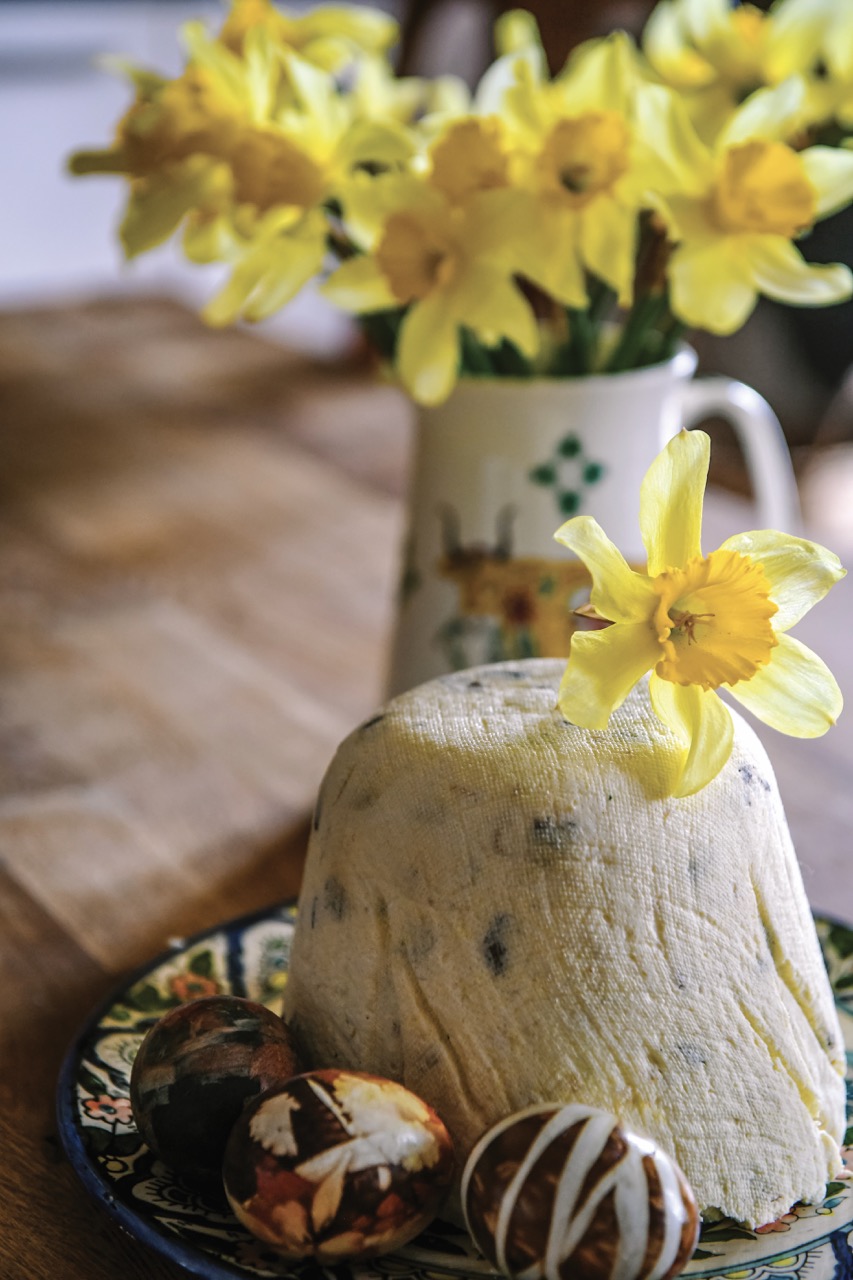
5. Mix everything well or beat with a mixer. Prepare the chosen pashka dish or special mould by lining it with cheesecloth or a thin natural fabric. Transfer the mixture into the mould, and press down with a weight. Place in the refrigerator overnight. The next day, turn the mould upside down and serve on a plate sliced or cut into pieces.

Photo: Elīna Kursīte

Pasha_02
Pasha_03
Pasha_04
Pasha_05
Pasha_06
Pasha_01

Nata Meģe lives in Alūksne. Her ancestors came from the Lauri Latvian colony in the Pskov Governorate in Russia, on the banks of the Kūdupe River. At Easter, Nata’s grandmother would make pashka. The recipe for this festive dish, characteristic of the Estonian–Russian border region, has been passed down from generation to generation, together with a special wooden mould that is more than a hundred years old. Today, Nata uses the mould herself, making uncooked pashka every Easter.

Nata has also taught her goddaughter and her daughters – “both the Rīga daughter and the England daughter” – how to make pashka. When the family gathers in England to celebrate the holiday together, real curd cheese from Latvia makes the journey to London in Nata’s suitcase.

Nata is happy that pashka has a secure future on the Easter table: “I’ve taught everyone around here – if not to make it, then certainly to eat it!”